Visiting Belvedere Palace in Vienna: The Ultimate Guide
Located in the heart of Austria’s capital, the Belvedere Palace Vienna is a perfect example of the baroque architecture you’ll see throughout the city. Comprised of two main sections—the Upper Belvedere Palace and the Lower Belvedere Palace—this historic site is famous for its architecture, beautiful gardens, and rich art collections, including iconic works by Gustav Klimt.
During your time in Vienna, you’ll want to make a stop at the Belvedere Palace Museum. You’ll not only get a sense of the Austrian aristocracy’s grandeur but also get to dive into some of Austria’s best art.
Let’s learn more about the Belvedere Palace and why it’s a place you might want to visit in Vienna.
Disclosure: Some of the links below may be affiliate links. At no additional cost to you, I may earn a small commission if you make a purchase.
The History of Belvedere Palace
The origins of Belvedere Palace date back to the early 18th century when it was commissioned by Prince Eugene of Savoy, a celebrated military leader, as his summer residence. Renowned architect Johann Lukas von Hildebrandt designed the palace to be a baroque masterpiece with a layout that includes sweeping gardens cascading between the two main buildings.
The Upper Belvedere Palace, located at the top of the terraced grounds, initially served as a place to entertain guests and hold events. Later, in the 20th century, the Belvedere transitioned into a museum. Today, it holds some of Austria’s most treasured art.
The palace also played a role in Austrian history as the site of the signing of the Austrian State Treaty in 1955. This document restored the country’s independence.
Visiting the Belvedere Palace
Today, you can visit the Belvedere to admire its architecture, gardens, and museums. Honestly, you’d really be missing out if you skip this palace, but if you’re museum-ed out or simply not that interested in art, you can just take a walk around the outside. Let’s break down how to visit the palace.
The Upper Belvedere Palace
The Upper Belvedere Palace is the crown jewel of the Belvedere Palace Museum. It is particularly famous for housing an impressive collection of Gustav Klimt’s masterpieces, including The Kiss and Judith. These Klimt paintings are among the most celebrated pieces in the museum and are worth the visit alone.
However, the art collection doesn’t stop there. The Upper Belvedere also showcases works by Egon Schiele, Oskar Kokoschka, and other leading Austrian artists. As you wander through the grand halls of the palace, take note of the baroque details like the grand staircase and the Marble Hall. This hall is decorated with frescoes that tell stories of Austrian nobility and offers panoramic views of Vienna.
The Lower Belvedere Palace
The Lower Belvedere Palace, while less famous, offers its own reasons to visit. It typically hosts temporary exhibits that showcase classical and contemporary works. This part of the palace interior is also adorned with opulent rooms, including the Marble Gallery, which houses sculptures, and the Hall of Grotesques, featuring distinctive wall paintings that date back centuries.
The Lower Belvedere also includes the Gold Cabinet, a small yet breathtaking room that stands out for its over-the-top decorations. Nearby, you’ll find the Orangery and the former stables. These now display medieval art pieces.
The Belvedere Gardens
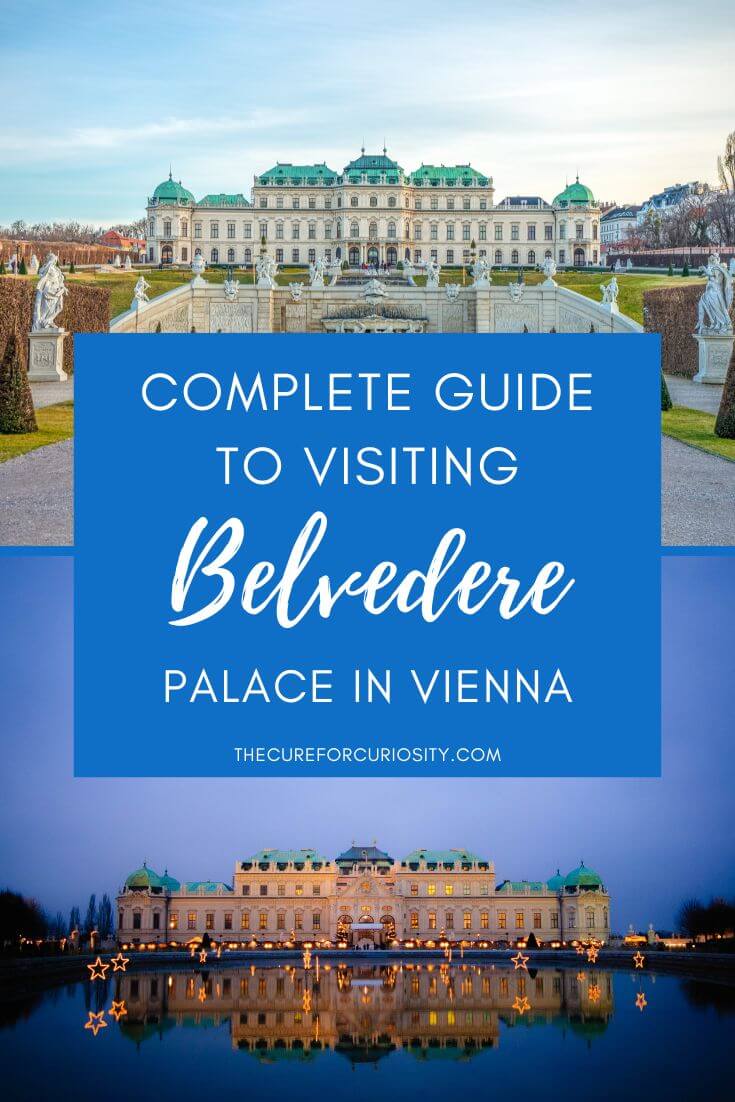
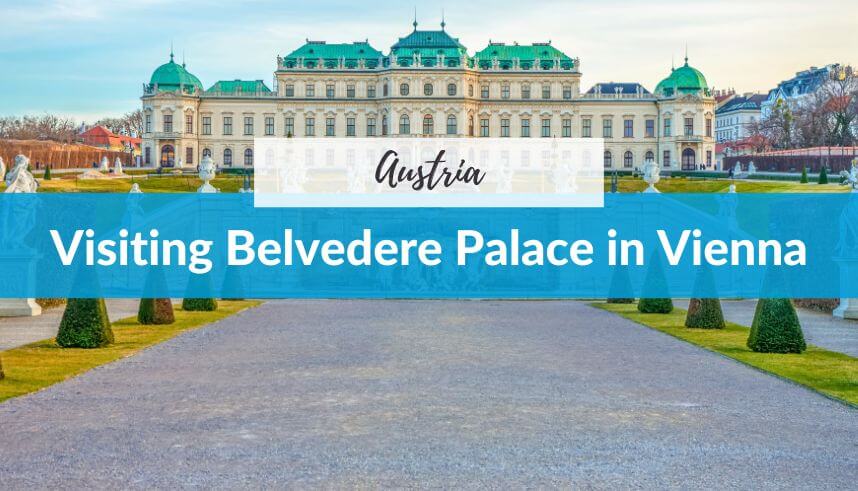
One of my favorite parts of the Belvedere Palace Austria is its meticulously landscaped gardens. The garden area is tiered, with formal flower beds, cascading fountains, and carefully placed statues that reflect the grandeur of the baroque era. The gardens connect the Upper and Lower Belvedere Palace buildings with a scenic pathway between the two.
This palace, like most palaces, including the nearby Schronnbrunn Palace in Vienna, offers plenty of photo-worthy spots. To see the gardens at their best, plan to visit in spring or summer. Adjacent to the main gardens are the Botanical Garden and the Alpine Garden, known for being one of Europe’s oldest.
Belvedere 21
For those interested in contemporary art, film, and music, Belvedere 21 offers a fascinating contrast to the historic atmosphere of the main Belvedere Palace complex. This space has become an essential meeting point for modern art enthusiasts.
Originally designed by architect Karl Schwanzer for the 1958 World’s Fair in Brussels, the pavilion was relocated to Vienna and opened as the Museum of the Twentieth Century in 1962. Known initially as the 20er Haus, it quickly became a hotspot for contemporary art and cultural events.
Today, Belvedere 21 is celebrated as an architectural icon of post-war Modernism. Its striking glass-and-steel facade has been preserved and updated over the years, notably in a 2011 renovation. In 2018, it was rebranded as Belvedere 21, which reflects its connection to the Belvedere Palace Museum. It continues to showcase cutting-edge exhibitions, experimental film screenings, and live performances.

Practical Information for Visiting Belvedere Palace
If you want to visit the Belvedere Palace in Vienna, you’re in luck – we have detailed information to help you get there.
Location and Getting There
The Belvedere Palace Vienna is easily accessible by public transportation. Trams, buses, and even Vienna’s main train station offer convenient options for getting to the palace.
The Upper Belvedere Address
Prinz Eugen-Straße 27, 1030 Vienna
Directions
The Lower Belvedere Address
Rennweg 6, 1030 Vienna
Directions
Belvedere 21 Address
Arsenalstraße 1, 1030 Vienna
Directions
Pro Tip: Combine your trip with nearby attractions like the Belvedere 21 Museum of Contemporary Art and the Vienna Botanical Gardens.
Opening Hours
Generally, the palace is open daily, but the hours do vary for different parts of the palace. It’s a good idea to check the official website for current opening hours to ensure you don’t arrive when its closed.
The Upper Belvedere Hours
9am – 6pm Monday to Sunday
The Lower Belvedere Hours
10am – 6pm Monday to Sunday
Belvedere 21 Hours
11am – 6pm Tuesday to Sunday
11 am – 9 pm: Thursday
(Open Mondays on holidays.)
Pro Tip: Plan to visit early in the morning or late in the afternoon to avoid the crowds. Do be aware of when the gardens close as I personally got locked in and had trouble getting out of the Belvedere at night!
Belvedere Palace Ticket Options and Prices
There are several ticket options available, from single tickets for either the Upper or Lower Belvedere Palace to combination tickets that include both. Buying online tickets will save you time, and ultimately save you money as tickets are more expensive on site.
The Upper Belvedere Tickets
Purchase tickets online now. If you prefer a tour, you can do a guided tour with your ticket here.
The Lower Belvedere Tickets
Purchase tickets online now.
The Belvedere Gardens
Free to visit.
Is Belvedere Palace Worth Visiting?
Absolutely! The Belvedere Palace Museum is a must-see for anyone interested in Austrian art and history. The combination of world-class art, exquisite architecture, and perfectly manicured gardens makes it an unmissable stop on any Vienna itinerary.
While some may prefer the grandeur of the Upper Belvedere Palace, others might find the eclectic exhibitions in the Lower Belvedere just as intriguing. Regardless of your interests, the palace offers something for everyone.
Explore More of Austria
As you wrap up your visit to Belvedere Palace, be sure to check out the palace illuminated at night—seeing Belvedere at night adds an unforgettable touch to your experience. With a combination of art, history, and stunning views, Belvedere Palace represents Vienna well.
Want to explore more of Austria? Here’s some helpful posts.
- Travel Vienna to Salzburg: 4 Ways to Get across Austria
- Visiting Belvedere Palace in Vienna: The Ultimate Guide
- 9 Top Day Trips from Munich, Germany
- How to Spend 1 Day in Vienna: Itinerary for First Time Visitors
- How to Travel from Cesky Krumlov to Salzburg + Best Stops In-between
- How to Spend One Day in Innsbruck: Itinerary for First Time Visitors
- Visiting Schönbrunn Palace in Vienna: Highlights & Tips for Your Trip
Like this post? Pin it.