How to Spend One Day in Plovdiv: 24 Hour Itinerary
Find a full itinerary for 24 hours in Plovdiv to make the most of your limited visit.
Plovdiv is the second-largest city in Bulgaria. It’s a destination that effortlessly blends history with charm, and a great way to get a feel for Bulgaria.
Spending just one day in Plovdiv promises a journey through time, where cobblestone streets wind through a beautifully preserved Old Town, revealing architectural treasures from Roman, Ottoman, and Bulgarian eras.
This historic city, often referred to as the “City of the Seven Hills,” offers amazing experiences that immerse you in its cultural heritage and thriving culinary scene.
Join us as we embark on a memorable day in Plovdiv, where history, art, and hospitality converge to create an unforgettable adventure.
Disclosure: Some of the links below may be affiliate links. At no additional cost to you, I may earn a small commission if you make a purchase.
Why Visit Plovdiv, Bulgaria
Plovdiv, a must-visit city in Bulgaria. It offers a perfect blend of history, culture, and culinary delights. Its rich historic heritage spans thousands of years with Roman, Ottoman, and Bulgarian architectural influences. Plovdiv is like an open-air museum making it a great place to spend some time.
Additionally, Plovdiv was recently recognized as the European Capital of Culture in 2019, further highlighting its amazing arts scene. During your 24 hours in Plovdiv, make sure to taste hearty Bulgarian cuisine, sample local wines, and enjoy the lively atmosphere of Plovdiv.
If that’s not enough to draw you to Plovdiv, there’s also amazing natural beauty in the area along with a variety of festivals. Plovdiv really does promise a memorable experience – even if you just visit Plovdiv for one day. Let’s take a look at how you can make that work with a full Plovdiv itinerary.
One Day Itinerary for Plovdiv
Being a smaller town, most people, including me, only spend one day in Plovdiv. While you can certainly see the best of Plovdiv in 24 hours, you need to be strategic.
I’ve broken out how you can explore the city step-by-step including about how much time each activity will take you. This will help you remove and substitute things to do in Plovdiv as needed.
What are we waiting for? Let’s get started on your 24 hours in Plovdiv!
Grab Breakfast
Time needed: 1 hour
Begin your day with a traditional Bulgarian breakfast. You can choose from a variety of options at local cafes. Banitsa, a flaky pastry filled with cheese and eggs, is a popular choice.
Alternatively, try yogurt with honey and fresh fruit for a taste of authentic Bulgarian cuisine.
Take a Old Town Walking Tour
Time needed: 2 – 3 hours
The Old Town of Plovdiv is a picturesque area with narrow winding streets, colorful houses, and charming courtyards. As you wander through this historic neighborhood, take your time to admire the architectural details, such as the ornate wooden facades of the houses.
The best way to see Plovdiv Old Town is via a private walking tour. Some houses also offer guided tours that provide insights into the city’s history.
Pro Tip: The Old Town in Plovdiv actually sits above the New Town. This means the roads on your map will not necessarily intersect, even if they look like it. They could be two different layers of roads. You will actually have to turn on GPS to get around smoothly, not just look at the map.
Another fun situation? The Old Town is all uphill. Plan this into your time to get places and the shoes you choose to wear!
Book a private tour of the Old Town in Plovdiv.
Admire the Ancient Theater
Time needed: 30 minutes
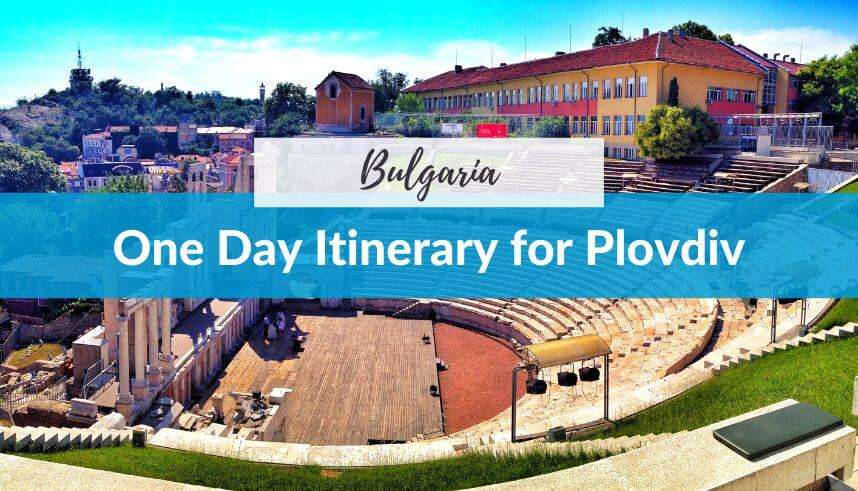
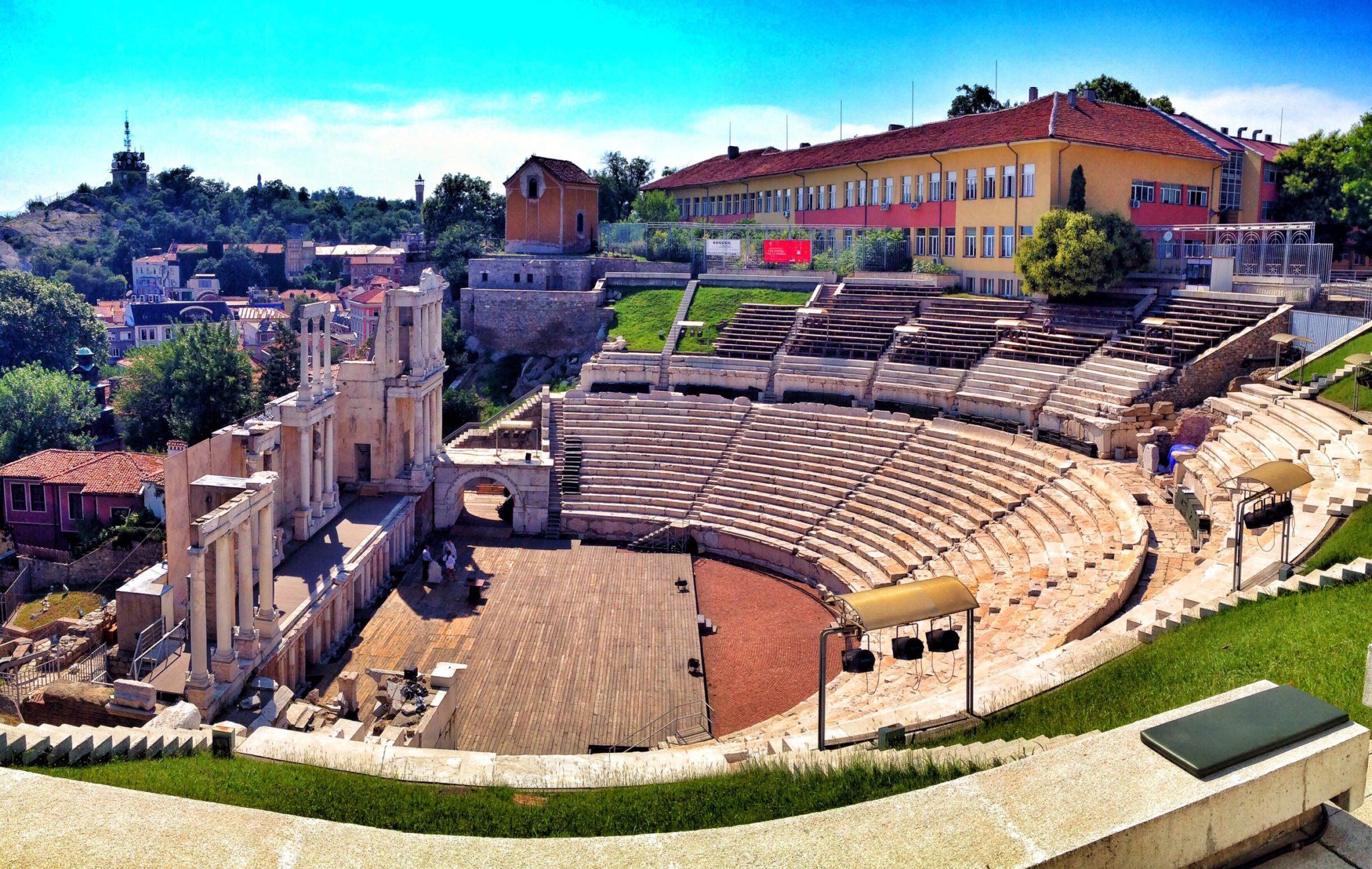
Visit the Ancient Roman Theater, a well-preserved structure from the 2nd century AD. This open-air theater can seat up to 7,000 spectators and is still used for performances today.
Take a moment to sit on the stone benches and imagine the ancient plays that were once performed here. The theater also hosts various cultural events and concerts, so check the schedule for any performances during your visit.
Climb Nebet Tepe
Time needed: 1 – 1.5 hours
Nebet Tepe is one of Plovdiv’s seven hills, and it offers breathtaking panoramic views of the city and the surrounding countryside. You can reach the top by walking up a well-marked path.
At the summit, you’ll find the ruins of an ancient fortress and a flagpole with the Bulgarian flag waving proudly. It’s a peaceful spot to reflect on the city’s history and take stunning photographs.
Enjoy Lunch
Time needed: 1 – 1.5 hours
After your morning exploration, return to the Old Town for lunch. Many restaurants in this area offer traditional Bulgarian cuisine.
Keep an eye out for Bulgarian dishes like kavarma (slow-cooked meat stew), kachamak (cornmeal and cheese dish), and the famous shopska salad made with tomatoes, cucumbers, peppers, and feta cheese.
If you want to ensure you try as many Bulgarian delicacies as possible, consider joining a food tour in Plovdiv.
Stop at the Plovdiv Regional Ethnographic Museum
Time needed: 1 – 1.5 hours
Housed in a beautifully restored 19th-century mansion, the Ethnographic Museum showcases the cultural heritage of the Plovdiv region. You can explore exhibits that feature traditional clothing, crafts, and artifacts.
The museum provides a fascinating glimpse into the customs and traditions of Bulgaria’s diverse communities.
Explore the Kapana District
Time needed: 1 – 2 hours
Kapana, also known as the “Trap,” is a vibrant and artistic neighborhood located near the city center. It’s characterized by its narrow cobblestone streets and colorful murals.
This area is home to numerous art studios, boutiques, and cafes. It’s a great place to browse for unique souvenirs or simply soak in the creative atmosphere.
Check Out Dzhumaya Mosque
Time needed: 30 minutes
Located in the center of Plovdiv, the Dzhumaya Mosque is an exquisite example of Ottoman architecture. Its beautiful minaret and intricate interior design make it a peaceful place to visit.
Remember to dress modestly when entering the mosque, covering your shoulders and legs.
Relax in Tsar Simeon’s Garden
Time needed: 1 hour
Tsar Simeon’s Garden is a serene green oasis in the city center. You can relax on benches, take a leisurely stroll, or enjoy a coffee at one of the garden’s cafes.
The park is also home to beautiful fountains, statues, and a large pond, making it a lovely place to unwind and reflect on your day.
Sit Down for Dinner
Time needed: 1 – 2 hours
For dinner, you have a range of dining options in Plovdiv. You can choose from restaurants serving Bulgarian cuisine or explore international flavors. Plovdiv has a growing culinary scene, so you’ll find plenty of choices to suit your palate.
Swing by the Ancient Plovdiv Roman Stadium
Time needed: 15 – 30 minutes
In the evening, consider visiting the Ancient Plovdiv Roman Stadium, which is dramatically lit up after dark. This ancient sports arena once hosted gladiator games and chariot races.
Today, it serves as a reminder of Plovdiv’s rich history and offers a unique atmosphere for an evening stroll.
Enjoy the Nightlife of Plovdiv
Time needed: Up to you!
If you’re interested in experiencing Plovdiv’s nightlife, head to areas like Kapana or the main pedestrian street, Knyaz Alexander I.
Here, you’ll find bars, pubs, and clubs where you can enjoy live music, dance, and socialize with locals and fellow travelers.
Where to Stay in Plovdiv
With just one day in Plovdiv, you need to stay centrally. This allows you to start your day early and make the most of your 24 hour itinerary in Plovdiv.
Fortunately, Plovdiv offers a range of accommodation options to suit different preferences and budgets. This means the best place to stay in Plovdiv really depends on you and your preferences.
Here are the areas I recommend you consider for accommodation during your short stay in Plovdiv for 24 hours.
Old Town (Kapana)
Staying in the heart of the Old Town, particularly in the Kapana district, allows you to immerse yourself in Plovdiv’s historic charm. You’ll be within walking distance of many of the city’s main attractions, including the Ancient Theater and Dzhumaya Mosque.
Here you’ll find boutique hotels, guesthouses, and apartments available. It’s ultimately the area I chose to stay in, and I loved the atmosphere and being able to walk everywhere.
City Center
Plovdiv’s city center, near the main pedestrian street (Knyaz Alexander I), offers convenience and access to a variety of shops, restaurants, and cultural sites.
This area is also well-connected to public transportation. You’ll find a range of hotels, from budget to upscale, in the city center of Plovdiv. If you cherish being in the center of it all, this may be the better location for you.
Trimontium
The Trimontium area, which includes Tsar Simeon’s Garden, is a peaceful and green part of the city. It’s a good choice if you prefer a quieter atmosphere while still being within walking distance of the city center.
Here you’ll find several hotels and guesthouses. It’s the best place for a quiet visit to Plovdiv.
FAQs about Visiting Plovdiv
Being a slightly lesser known city in Europe, there are a lot of questions for those visiting Plovdiv for the first time. Here are some helpful insights into for visitors to Plovdiv – whether you’re spending a week in Plovdiv or just one day.
Plovdiv is a year-round destination, but the best time to visit for pleasant weather is during spring (April to June) and early autumn (September to October). Summers can be quite hot, while winters are relatively mild.
English is not as widely spoken as in some major European cities, but you’ll find that many people in the tourism industry, such as hotel staff and tour guides, speak English. Learning a few basic Bulgarian phrases can be helpful and appreciated.
The best things to see in Plovdiv include the Ancient Theater, Old Town (Kapana), Dzhumaya Mosque, Plovdiv Regional Ethnographic Museum, and the Roman Stadium.
Plovdiv is well-connected by bus and train to Sofia, Bulgaria’s capital, and other major cities. Sofia Airport also offers flights to Plovdiv. You can also opt for the shuttle bus or a taxi from Sofia to Plovdiv. It’s about a 2.5-hour drive.
The currency in Bulgaria is the Bulgarian Lev (BGN). Currency exchange can be done at banks, exchange offices, or ATMs throughout Plovdiv. Major credit and debit cards are widely accepted as well.
Plovdiv is generally considered a safe city for tourists. Like in any urban area, it’s advisable to take basic precautions such as safeguarding your belongings and being aware of your surroundings.
Yes, guided tours of Plovdiv are available, both for the city itself and for specific attractions, like the Old Town and the Ancient Theater. These tours can provide valuable insights into the city’s history and culture. One popular option is taking a guided day trip from Sofia to Plovdiv.
Visitors often inquire about Bulgarian cuisine. Traditional dishes to try include banitsa, kavarma, shopska salad, and various grilled meats. Plovdiv also offers a range of international cuisine options.
Popular souvenirs from Plovdiv include rose products (Bulgaria is famous for its roses), pottery, traditional Bulgarian crafts, and local wines.
Explore More of Bulgaria
As our 24 hour itinerary in Plovdiv comes to an end, I hope you’ve enjoyed the rich blend of history, culture, and cuisine this city has to offer. Whether you’re a history enthusiast, an art lover, or a foodie, Plovdiv’s unique charm has something for everyone.
As you bid farewell to Plovdiv, continue planning your journey across Bulgaria with these helpful resources.