What is a Hostel?: Everything You Need to Know Before Staying in One
Planning a trip on a budget and wondering if a hostel is right for you? You’re in the right place. Hostels are one of the best-kept secrets in travel, not just for cutting costs, but for the experiences they create. After traveling to over 100+ countries and staying in hostels over many years of travel, I can say with confidence that some of my best travel memories started in a hostel common room.
But they’re not for everyone, and knowing what to expect before you book makes all the difference. This guide covers everything: what a hostel actually is, the types of rooms and bathrooms, what to look for when booking, the real pros and cons, where they vary by region, and how to find and book them.
Disclosure: Some of the links below may be affiliate links. At no additional cost to you, I may earn a small commission if you make a purchase.
What is a Hostel?
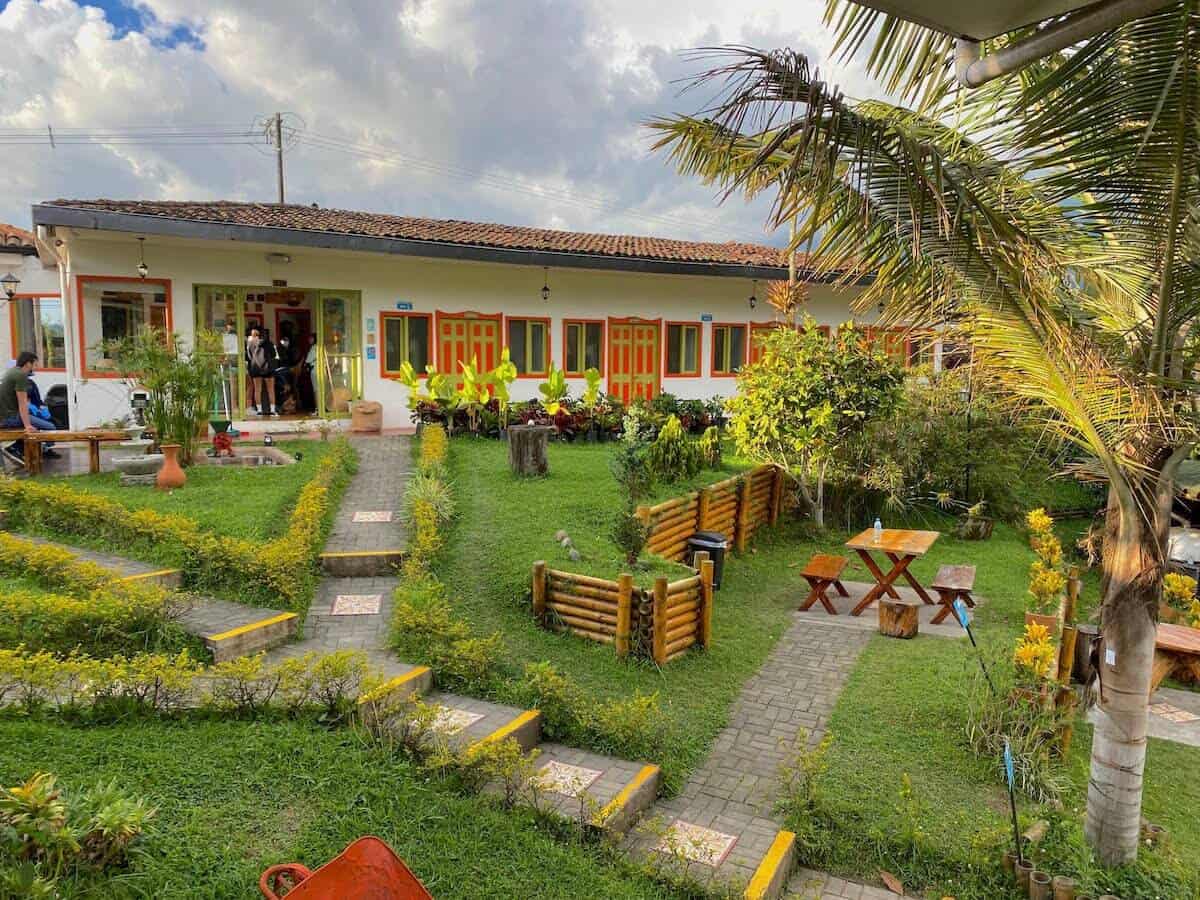
A hostel is a low-cost, short-term accommodation where guests rent a bed rather than an entire room. Most hostels offer dormitory-style rooms with bunk beds, shared bathrooms, and communal spaces like a kitchen and lounge. Many also offer private rooms, which give you the social atmosphere of a hostel with the privacy of a hotel.
The typical hostel:
- Is a budget-friendly alternative to a hotel… often dramatically cheaper, especially for solo travelers
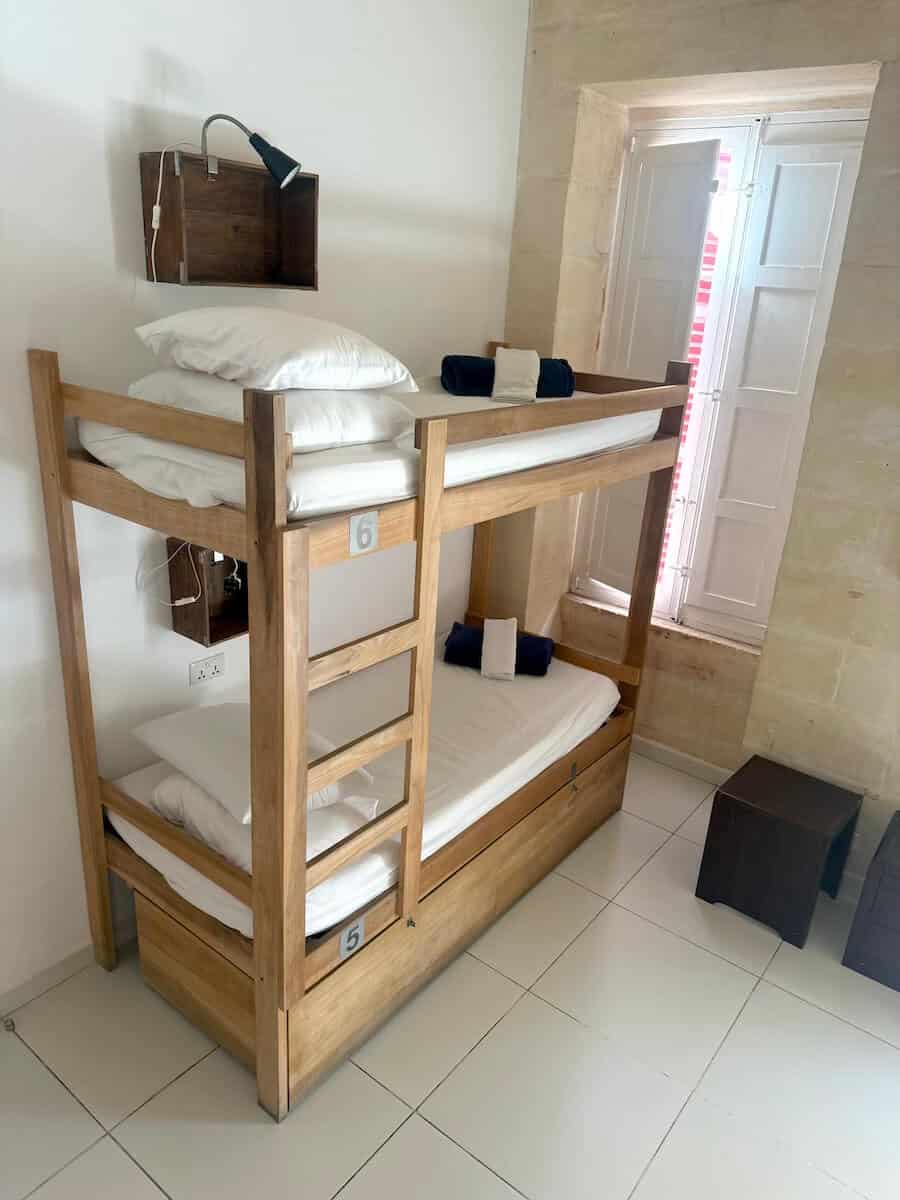
- Features dormitory-style rooms, usually with bunk beds, that sleep anywhere from 4 to 20 people
- Offers shared communal spaces, like a kitchen, lounge, and often a bar or event space
- Is frequently located in central areas of cities or towns, putting you close to the action
- Attracts a mix of solo travelers, backpackers, budget travelers, and increasingly digital nomads of all ages
That last point is worth emphasizing: the idea that hostels are only for young backpackers is outdated. Hostels today range from budget-basic bunk rooms to beautifully designed boutique properties with private rooms, rooftop bars, and coworking spaces. The market has matured considerably, and the hostel experience in 2026 looks very different from what it did even ten years ago.
All that said, every hostel is different, which is part of the adventure.
Types of Rooms in a Hostel
One of the biggest differences between hostels and hotels is the variety of room types on offer.
Dorm Rooms
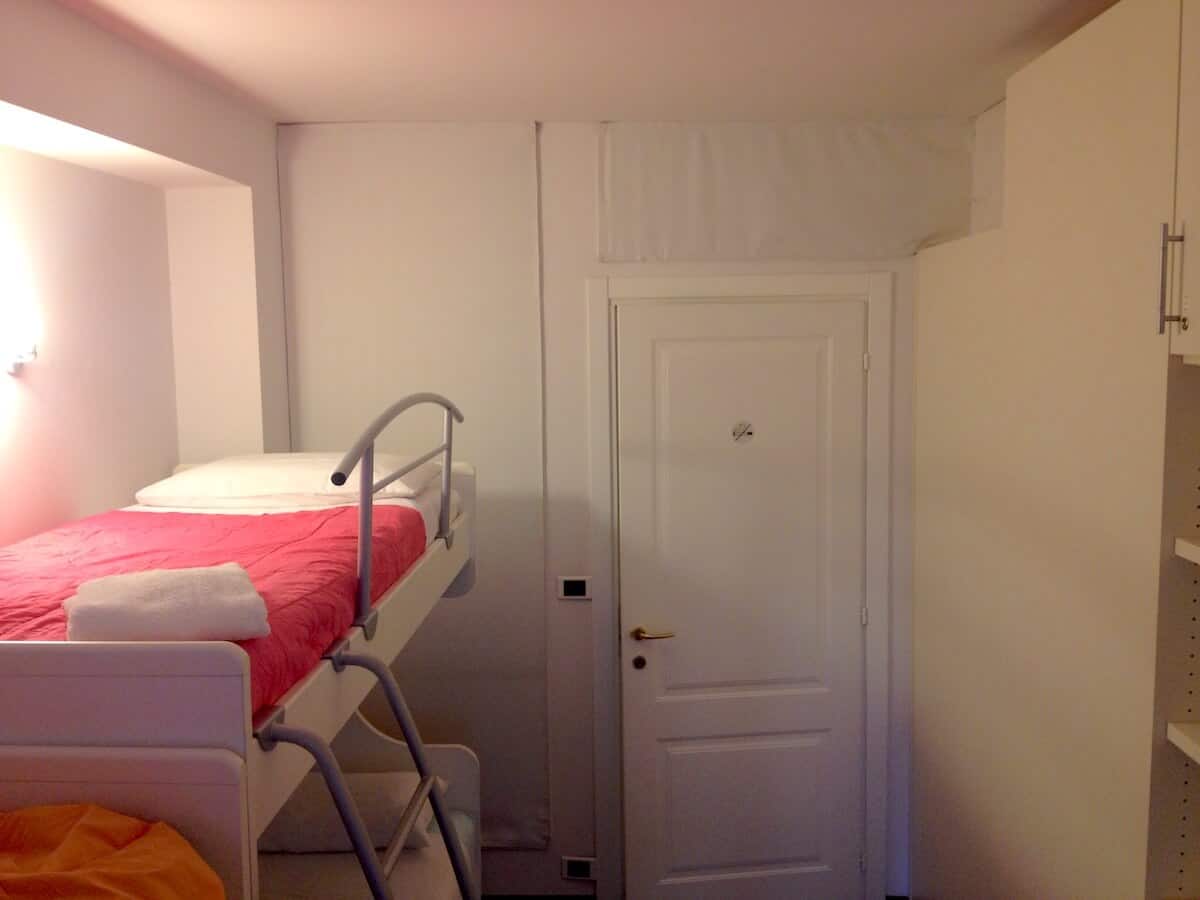
The classic hostel experience. A dorm room contains multiple beds, usually bunk beds, all in one shared space. You book and pay for a single bed, not the whole room. Dorms typically sleep between 4 and 12 people, though some larger party hostels go higher. I’ve heard of ones with rooms up to 100 people (yikes!).
A few things to know:
- Mixed vs. gender-specific dorms: Most hostels offer both. Female-only dorms are common and a great option if you’re a solo female traveler who prefers not to share with strangers of all genders overnight. Mixed dorms are usually slightly cheaper.
- Lockers: The majority of hostels provide lockers for your valuables. Sometimes they are big enough for your whole bag. Sometimes they’re only big enough for your valuables. Bring your own padlock. They’re rarely provided. A small combination lock works great.
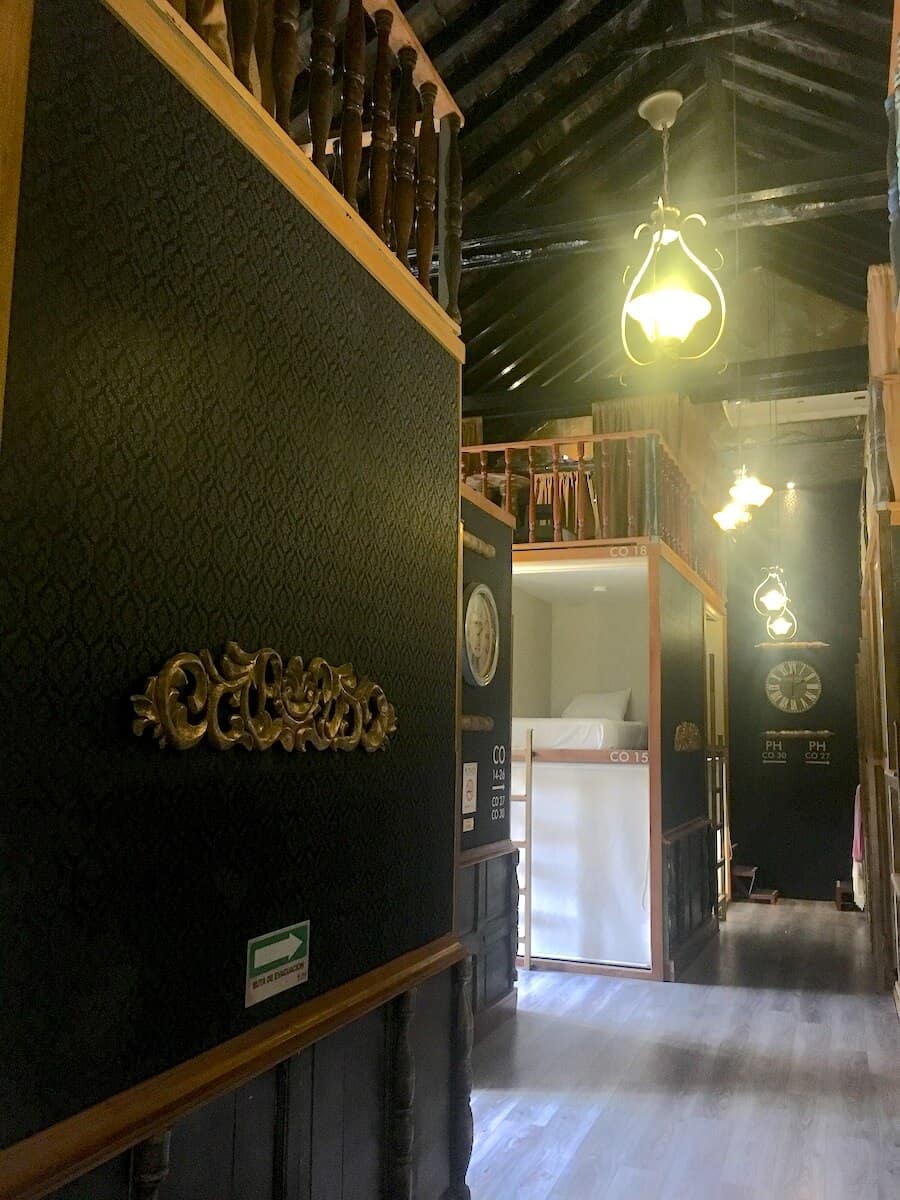
- Bed size: Usually twin-sized. Some modern hostels offer “pod beds” which are more of a semi-private sleeping capsules with privacy curtains, a light, and a power outlet. These are a significant upgrade if you can find them.
- Booking multiple beds: When booking for two or more people, book enough individual beds for each person. Most hostels can’t guarantee you’ll be in the same room unless you book together under one reservation, but they usually try to accommodate it.
Pro Tip: I personally prefer dorms with 8 or fewer people. More than that and the noise, disruption, and pure chaos of different schedules starts to add up and disturb your sleep.
Private Rooms
Many hostels offer private rooms. These are essentially a hotel room within a hostel. You book and pay for the whole room, and the space is entirely yours. Some have ensuite bathrooms while others share facilities with the dorms. Read the listing carefully before booking.
Why choose a private room in a hostel over a regular hotel? Two reasons: cost (private hostel rooms are often cheaper than comparable hotel rooms in the same area) and access to the hostel’s social atmosphere, like events, communal kitchen, common areas, fellow travelers. You get the quiet when you need it and the social environment when you want it.
I know I’ve chosen a private room in a hostel over a hotel purely for the social aspect before.
Bathrooms in Hostels
Hostel bathrooms vary enormously. The short version: unless you book a private room with an ensuite, you’re sharing.
Shared bathrooms can look a few different ways:
- Individual stalls along a hallway, similar to what you’d find in a house
- Larger bathroom blocks with multiple shower stalls and toilet cubicles, more like a gym
- Gender-specific or co-ed, depending on the hostel
All provide privacy within the stall. You’re sharing the space and waiting your turn, not actually showering in front of strangers. But wait times in the morning can be a problem in busier hostels, particularly ones with large dorms sharing a small number of showers.
Reading reviews is the best way to understand the bathroom situation at a specific property. Reviews will often call out things like “not enough showers for the number of guests” or “always clean.”
Pro tip: Bring flip-flops for the shower. Shared bathroom floors get traffic all day. It’s a small thing that makes a big difference.
Types of Hostels
Not all hostels are created equal. Knowing the type of hostel you’re booking helps set the right expectations.
Budget/Backpacker Hostels
The classic. Basic amenities, bunk beds, shared everything. Prioritizes low price and a social atmosphere. Common in Southeast Asia, Central America, and Eastern Europe.
Boutique/Design Hostels
A newer category that’s grown significantly. Think stylish interiors, pod beds with privacy curtains, good wi-fi, Instagram-worthy common areas. Often only marginally more expensive than a basic hostel. Worth the extra few dollars if you can find them.
Party Hostels
Built around nightlife. Expect a younger crowd, a bar on-site, drinking games, pub crawls, and noise until the early hours. Brilliant if that’s what you’re after, but a nightmare if it’s not. These will be clearly described as such in their listings and reviews. Read accordingly.
Boutique Social Hostels (“Poshtels”)
Higher-end properties that blur the line between hostel and hotel. Private ensuites, boutique design, rooftop bars, coworking spaces. Popular in Latin America (Medellín, Mexico City, Cartagena) and increasingly across Europe.
HI (Hostelling International) hostels
Part of a global nonprofit network with standardized quality and safety standards. Over 4,500 affiliated properties in 80+ countries. Tend to attract a slightly older, more family-friendly crowd. Membership saves you a small amount on nightly rates.
Outdoor/Adventure Hostels
Located near hiking trails, surf breaks, ski resorts, and natural attractions. Often offer gear storage, shuttle services, packed lunches, and guided trips. The Glacier National Park area, Patagonia, and New Zealand are full of these.
What to Look for When Booking a Hostel
Read the listing carefully and go through the reviews thoroughly before booking. Here’s what matters…
The Basics (Apply to Any Accommodation)
- Price and what’s included
- Location: is it central, or near a train/bus station?
- Neighborhood safety
- Overall security rating
- Cleanliness rating
- 24-hour front desk (if you’ll be arriving late, this matters)
Room-Specific
- How many beds are in the dorm? (I cap at 8 for quality sleep)
- Bathroom type: ensuite, shared down the hall, or shared large bathroom block? Co-ed or gender-specific?
- Lockers: big enough for your full bag, or just valuables?
- Per-bed amenities: individual light, power outlet, reading light? Privacy curtain? These make a big difference in modern hostels.
Budget-Saving Features
- Is breakfast included? Even basic hostel breakfasts save you a meal’s worth of cash per day.
- Are towels included, or rented for an extra fee? (Always worth knowing. Bring your own if not.)
- Is there a kitchen where you can cook your own meals?
Pro Tip: Carry your own towel for when one is not included. I recommend a quick drying towel or something similar that folds up really small.
Social Atmosphere
- Is there a bar, lounge, or communal area?
- Do they organize events, like walking tours, pub crawls, communal dinners, movie nights?
- Is it known as a party hostel? (Important to know either way)
- Is there strong wi-fi? (Essential for digital nomads)
Pro Tip: If you want to meet other people in the hostel, stay in a dorm room and take part in hostel activities. Even if you’re shy, these opportunities make interactions flow naturally. Find other great ways to make friends in 12 Easy Ways to Make Friends While Traveling Alone.
The Pros of Staying in a Hostel
Even once budget stopped being a concern when I traveled, I kept staying in hostels when I travel alone. Here’s why.
1. The Cost Savings are Real
Hostels can be extraordinarily cheap. In Southeast Asia, you can find clean, safe, social dorm beds for under $10/night. In Western Europe, even the most basic options are usually cheaper than the most affordable hotel in the same location. And because you pay per bed rather than per room, solo travelers aren’t penalized the way they are at hotels where you’re essentially paying the double-room rate anyway.
Over a long trip, even a two-week one, staying in hostels instead of budget hotels can easily save $500 or more depending on destination.
2. Location, Location, Location
Hostels tend to cluster in the center of cities and towns, in the heart of tourist neighborhoods, or right by the main transit hubs. Hotels at the same central locations cost significantly more. Being centrally located means less commuting, less money spent on transportation, and more time actually exploring.
3. Built-In Social Life
If you’re a solo traveler, a first-timer in a new city, or just someone who likes meeting people, hostels are the best for this. Common areas, shared kitchens, organized events, and the simple fact of sharing a room with other travelers create easy, natural opportunities for conversation.
The best travel companions I’ve met, like people I traveled with for days or weeks, some of whom I’m still in touch with years later, I met at hostels. It happens organically in a way that hotels simply don’t allow for.
4. Local Knowledge
Hostel staff tend to be travelers themselves or locals who genuinely love their city. The recommendations you get at a hostel front desk for restaurants, day trips, and hidden spots are often better than anything you’d find in a guidebook. And, they can often speak to budget options as well if that’s what you’re after!
Check out these 12 ways to make new friends while traveling!
The Cons of Staying in a Hostel
Hostels aren’t perfect. Here’s what you need to manage.
1. Disrespectful Roommates
Eventually, it happens. Someone answers their phone in the dark at 2 a.m. Someone turns on the overhead light when they come in late. Someone snores. These are the realities of shared accommodation.
Most of the time, your dormmates are decent, considerate people. But “most of the time” isn’t always. When it’s bad, it’s genuinely disruptive to your sleep and your trip. The worst I had was a bottom bunk mate that had night terrors and would wake up screaming in Japanese. It was seriously disruptive.
How to Manage It: Earplugs and an eye mask are great hostel packing items. Noise-cancelling headphones are even better. If the issue is severe or ongoing, talk to the front desk. They can often move you to a different room.
2. Security of Your Belongings
I’ve been staying in hostels for years and have never had anything stolen, but I also take sensible precautions every time. Leaving a laptop on your bunk while you go out for the day is inviting problems. Leaving your wallet visible while you shower is inviting problems.
The fix is simple: use the locker. Lock up your valuables or take them with you whenever you leave the room. For extra peace of mind, consider travel insurance that covers theft. It’s cheap and removes the anxiety entirely.
3. Privacy is Limited
Shared sleeping spaces mean shared everything… noise, light, other people’s schedules. If you’re someone who needs complete privacy to function, hostels will be a challenge. A private room in a hostel is a good middle ground. A hotel is the right answer if privacy is non-negotiable.
4. Varying Quality
Hostel quality ranges enormously. A fantastic hostel in Bangkok and a fantastic hostel in London are very different things. Reading reviews carefully before you book, particularly recent reviews, will tell you what you need to know.
Hostels around the World: What to Expect by Region
Having stayed in hostels around the world, I’ve noticed some consistent patterns by region.
Western Europe
Hostels in Western Europe tend to attract groups of late teens and early 20s on their first big trip. This often creates a party-leaning atmosphere, especially in popular tourist cities like Barcelona, Amsterdam, Prague, and Lisbon. That can be fantastic energy, or it can mean a loud night if that’s not what you’re after.
If you’re in your late 20s or older and looking for a quieter social scene, read reviews carefully. Some Western European hostels cater to a more mixed, calmer crowd.
Also note: hostels in Western Europe are significantly more expensive than elsewhere. A dorm bed in London or Paris can cost $40–70/night. The cost advantage shrinks compared to budget hotels or Airbnbs in some cities.
Southeast Asia
The sweet spot for budget hostel travel. Southeast Asia has some of the best-value hostels in the world. We’re talking clean, social, well-run dorm beds for $5–15/night in most places. Thailand, Vietnam, Cambodia, Indonesia, and the Philippines all have excellent hostel cultures. Expect lots of solo travelers of all ages, strong social scenes, and hostel staff who are genuinely helpful about local tips.
Australia
Australia is a special case. A large number of travelers arrive on working holiday visas and end up living in hostels for months at a time. This means hostel common areas can feel like temporary homes rather than traveler social hubs. This equates to bags everywhere, people who know each other, rooms that reflect months of habitation.
As a short-term stay, this can be less than ideal. Hostels in Australia are also expensive by hostel standards due to the overall cost of living. That said, it’s often still the most affordable option in major cities.
Near Outdoor Attractions
Hostels near national parks, hiking trails, and surf breaks often attract a specific type of traveler… outdoorsy, adventurous, early-rising, but of all ages. These are often some of the most social and varied hostel experiences I’ve had. The communal atmosphere tends to be warmer, the staff often have deep knowledge of the area, and fellow guests are usually there for the same reasons you are.
Festival Cities or Party Destinations
A hostel in a city hosting a major festival (Oktoberfest in Munich, Carnival in Rio, etc.) or in a destination with a strong party reputation (Phuket, Ibiza, Bali) will reflect that atmosphere. Great if that’s your trip, something to factor in if it’s not. Read reviews from the specific time of year you’re traveling, not just the general average.
Also note that hostels, like hotels, usually spike their prices during events and book up far in advance. We ended up paying almost $80/night each to rent a bed for Carnival in Rio!

How to Find and Book Hostels
Booking a hostel is easy (similar to booking a hotel).
The best platforms:
- Hostelworld.com: The largest and most hostel-specific booking site. Best selection, detailed listings with photos, strong review system. Start here for any hostel search.
- Booking.com: Lists both hotels and hostels. Smaller hostel selection than Hostelworld, but great for free cancellation policies and sometimes finds properties not on Hostelworld.
Booking tips:
- Book in advance for peak season, major events, and popular destinations. Hostel dorm beds sell out just like hotel rooms.
- Read recent reviews (last 3–6 months), not just the overall score.
- Note payment policies before arriving. Some require full payment upfront. Others take payment on arrival. Confirm whether they accept cards or require cash.
- The confirmation email often includes directions from the airport, train station, and bus stop. Save it.
What to Pack for a Hostel Stay
You don’t need much extra beyond your usual travel kit, but a few hostel-specific items make a real difference.
- Padlock: For your locker. Get a combination lock so there’s no key to lose. A small one like this works perfectly.
- Earplugs: Non-negotiable for dorm rooms. Pack two pairs in case you lose one.
- Eye mask: Critical if light bothers you while sleeping. Roommates will come and go at all hours.
- Flip-flops: For the shared shower. Keep your feet off the communal floor.
- Quick-dry travel towel: Some hostels don’t include towels, or charge extra for them. A compact microfibre travel towel takes up almost no space and dries quickly.
- Headlamp or small light: For finding things in your bag without turning on the room light at 5 a.m.
- Combination cable lock: If you’re really concerned, you can take a combination cable lock for locking your bag through a fixed point (chair leg, bed frame) as an extra layer of security beyond the locker. I’ve personally never done this but have seen others with it.
Hostel Etiquette: The Unwritten Rules
The difference between a good hostel experience and a frustrating one often comes down to how considerate your roommates are. Be the considerate roommate.
In the Dorm Room
- Never turn on the main overhead light at night. Use your phone torch or headlamp.
- If you’re leaving early, pack your bag the night before.
- Keep your belongings contained to your bed and locker. Don’t spread onto other people’s space.
- Keep noise to a minimum after reasonable hours.
In the Bathroom
- Keep showers short when others are waiting.
- Leave the sink and shower clean after use.
- Don’t monopolize the space during busy morning hours.
In the Kitchen
- Wash your dishes immediately after eating. Don’t leave them for later.
- Label any food you want to keep in the fridge.
- Don’t touch unlabeled food that isn’t yours.
- Leave the kitchen clean.
General Hostel Etiquette
- Say hi to your dormmates. You don’t have to become best friends, but acknowledging people makes the shared space more pleasant for everyone.
- If someone is sleeping, be quiet. If you’re the one who needs to be loud, take it to the common area.
Frequently Asked Questions about Hostels
If you find yourself with lingering questions about hostels, don’t worry, it’s hard to wrap your head around the various accommodation options! Let’s take a look at some of the most frequently asked questions about hostels.
A hostel is a low-cost, short-term accommodation where guests rent a bed, usually in a shared dormitory room, rather than a full private room. Hostels also offer communal areas like a kitchen, lounge, and often a bar. Many also have private rooms available. They’re popular with solo travelers, backpackers, and budget-minded travelers of all ages.
The primary difference is privacy and price. In a hotel, you have your own room and bathroom. In a hostel, you typically share a room with other travelers (in a dorm) and share bathroom facilities. Hostels are significantly cheaper as a result, and have a more social, communal atmosphere. Hotels prioritize privacy. Hostels prioritize affordability and community.
Yes, generally. Most reputable hostels have 24-hour staffed receptions, keycard door access, lockers for valuables, and CCTV in common areas. The key is using common sense: lock up your valuables, keep your passport and cash secured, and read reviews before booking. I’ve stayed in hostels around the world and have never had anything stolen, but I use the locker every time.
Want more tips on how to keep you and your belongings safe? Read: 35 Critical Safety Tips for Travelers.
Hostels keep costs low by putting multiple guests in one room. Instead of selling a room to one person, they sell 6–10 beds. The shared kitchen also lets guests cook instead of eating out, saving significantly on a long trip. Shared bathrooms and minimal private amenities reduce operating costs further. The communal model makes the per-person cost a fraction of a hotel room.
No. This is a common misconception. While hostels historically targeted young backpackers, the reality in 2026 is that travelers of all ages stay in hostels, especially solo travelers over 30, digital nomads, and experienced budget travelers. Many boutique hostels actively cater to a mixed-age crowd. That said, some party hostels do skew young. Read reviews to get a sense of the typical demographic.
Yes. Many hostels have private double rooms, which give couples the privacy of a hotel room with access to the hostel’s social spaces and facilities. Just confirm the room type before booking. “Private room” at a hostel can mean anything from a proper double bed to a room with bunk beds.
Most hostels have no age limit for adults. Some HI (Hostelling International) hostels have rules about minors traveling unaccompanied (typically requiring guardian permission for under-18s). If traveling with children, check the individual hostel’s policy. Others have acceptable age ranges, such as some “Youth” hostels.
It depends on what you value. If you’re prioritizing cost, central location, and a social experience… absolutely yes. If you need privacy, a quiet space, or consistently high-end amenities, hostels are probably not the right fit, though a private room in a boutique hostel might be. Having stayed in a wide variety of hotels, I think they’re worth it for most travelers, especially solo ones, even when budget isn’t the primary driver.
Are Hostels Right for You?
Hostels are one of the most powerful and underutilized travel tools, not just for saving money, but for opening up travel experiences you simply don’t get at hotels. The connections you make, the tips you pick up, the spontaneous plans that form over a shared kitchen table… That’s the real value of hostel life.
They’re not perfect. You’ll occasionally deal with snorers, light-switchers, and the general reality of sharing a room with strangers. But with the right expectations, the right packing list, and the right hostel (which you’ll find by reading reviews carefully), the experience is overwhelmingly positive.
For more on traveling smart and on a budget, check out these related guides:
- 9 Important Things to Do Before Traveling Abroad
- What is the Schengen Area? (And Why It Matters for Your Trip to Europe)
- Quitting Your Job to Travel: Is It a Good Idea or Not?
- Long Term Travel: What it is & how to do it
- How to Pick a Travel Destination: Key Things to Consider
- The 5 Stages of Culture Shock and How They Impact Travelers
- How to Start Planning a Trip: A Step-by-Step Guide
- 12 Easy Ways to Make Friends While Traveling Alone
- 8 Ways to Start Traveling Alone and Love It!
- 10 Secrets about Traveling Long Term that No One Tells You
Find budget friendly accommodation using the Top 5 Sites for Finding an Affordable Hotel.
Like this post? Pin it.