Athabasca Glacier in Canada: Best Tours, Hikes, and Travel Tips
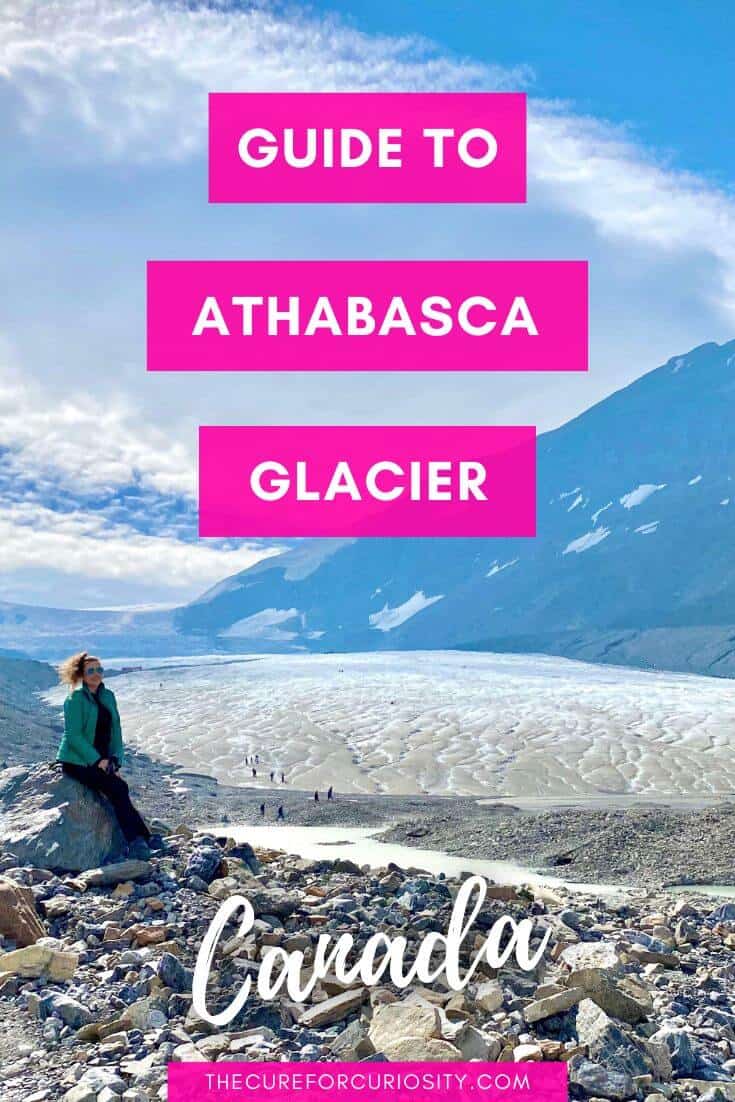
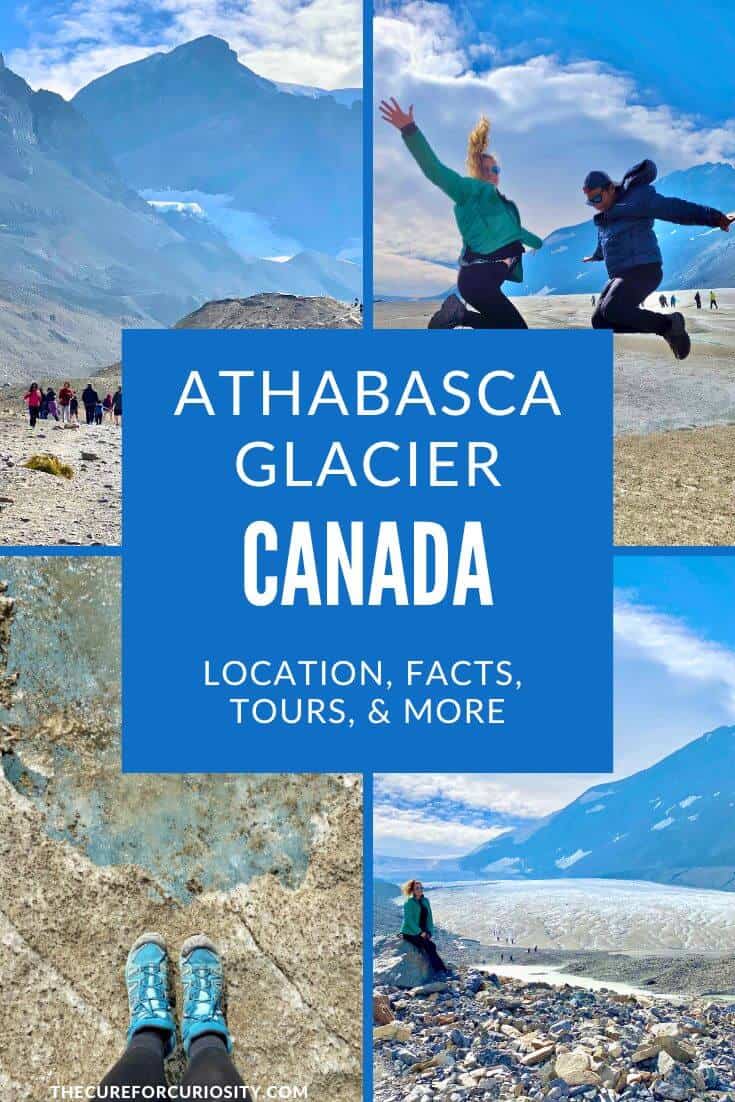
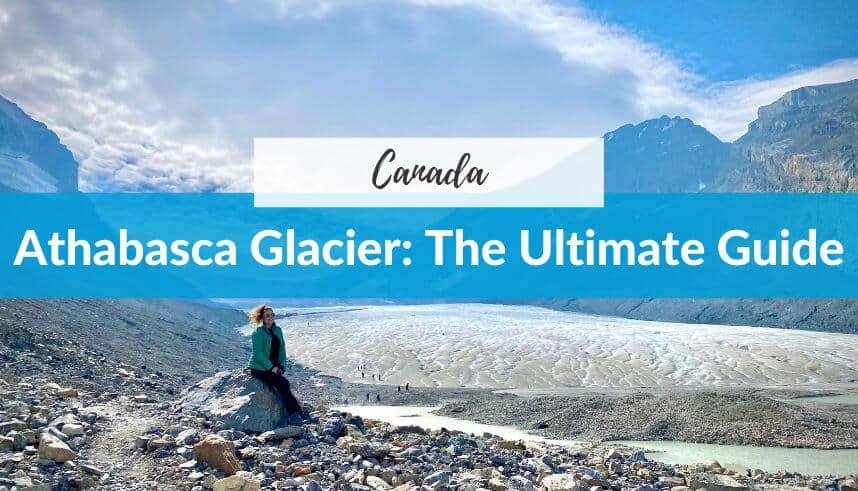
Athabasca Glacier, located along the legendary Icefields Parkway between Jasper and Banff National Parks, is one of the most accessible and awe-inspiring glaciers in the world.
Having traveled this road from Banff to Jasper a few times now, I feel confident in saying this frozen giant is one of the best stops in the area. Why? Well, it’s not just naturally beautiful, it also teaches you a lot about glaciers and how climate change is causing them to retreat at unprecedented rates. Just trust me – you have to go!
So if you’re road tripping through the Canadian Rockies, make sure to add Athabasca Glacier to your Alberta itinerary. Let’s take a look at what you need to know to make the most out of your visit.
Disclosure: Some of the links below may be affiliate links. At no additional cost to you, I may earn a small commission if you make a purchase.
What is the Athabasca Glacier?
The Athabasca Glacier is one of the six primary “toes” of the Columbia Icefield. It’s located in the Canadian Rockies and spans approximately 3.7 miles (6 kilometers) in length and covering an area of 2.3 square miles (6 square kilometers). It’s ice is up to 1,000 feet (300 meters) deep.
It’s also one of the most accessible glaciers in North America, attracting hundreds of thousands of visitors each year. In fact, more than 1.2 million people drive the Icefields Parkway each year, and it’s only open in the summer!
Where is the Athabasca Glacier located?
The Athabasca Glacier lies about 62 miles (100 kilometers) south of Jasper and 124 miles (200 kilometers) north of Banff along the Icefields Parkway (Highway 93). The popular Columbia Icefield Discovery Centre is located directly across from the glacier and serves as the main hub for visitors, offering information, dining, and tour bookings in the area.
Check out the Athabasca Glacier on the map below to get a better sense of where the it is located.
The Glacier’s Retreat
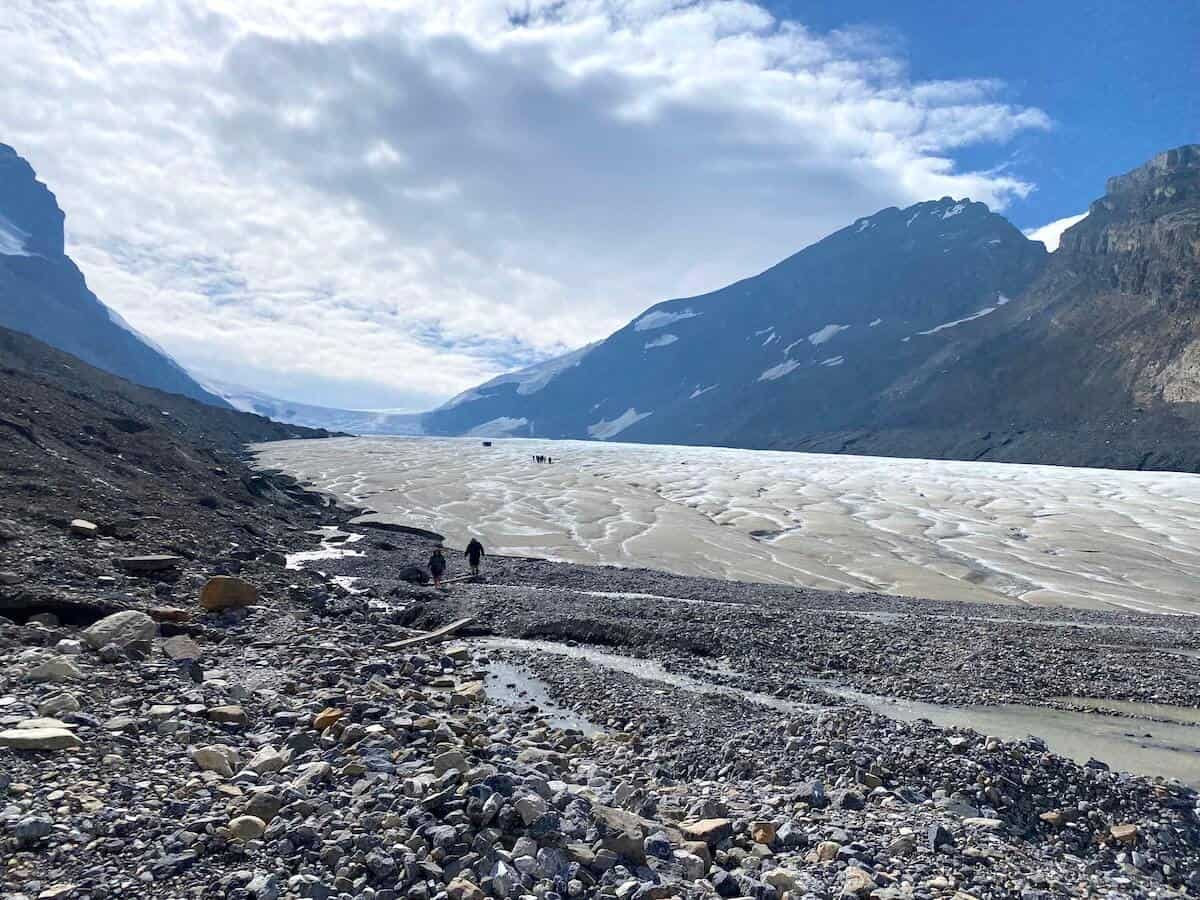
Over the past 125 years, the Athabasca Glacier has receded almost 0.93 miles (1.5 kilometers) and lost over half of its volume. This retreat is marked by signs along the trail leading to the glacier’s toe, each indicating the glacier’s extent in previous years. Witnessing this firsthand is both awe-inspiring and a stark reminder of the impacts of climate change.
Honestly, seeing the markers along the path are one of my favorite parts of the visit, especially when you go back and visit again and again. You can see the glacier shrink right before your eyes!
Fun Facts About the Athabasca Glacier
While we’ve touched on some of these facts already, I thought I’d share why I am so impressed by this specific glacier. Seriously, it’s impressive.
- It was formed over 230,000 years ago during the Great Glaciation, long before the last Ice Age.
- It stretches approximately 3.7 miles (6 kilometers) in length, covers about 2.3 square miles (6 square kilometers), and has ice up to 1,000 feet (300 meters) deep.
- In the last 125 years, the glacier has retreated more than 0.93 miles (1.5 kilometers) and lost over half its volume, a visible marker of climate change.
- The Columbia Icefield, which feeds the glacier, receives up to 23 feet (7 meters) of snow per year.
- It’s one of the most accessible glaciers in North America. You can walk right up to it or explore it via guided ice walks or an Ice Explorer tour.
- The Columbia Icefield lies on a rare triple divide where meltwater flows to the Arctic, Atlantic, and Pacific Oceans.
How to Visit the Athabasca Glacier
Planning a trip to the Athabasca Glacier is straightforward as it is located right off the main road between Jasper and Banff National Parks – the Icefields Parkway (Highway 93). In the summer you can drive directly to the glacier’s parking lot or to the Columbia Icefield Discovery Centre located right across from it.
While self-driving is the easiest way to visit the glacier, you do have options. If you don’t have a car available to you, you can still visit by taking a tour from Banff to Athabasca Glacier or from Jasper to Athabasca Glacier.
Costs, Parking, and Accessibility
While you will need a valid Parks Canada pass to visit the Athabasca Glacier, as it is located within Jasper National Park, driving the Icefields Parkway (Highway 93) and stopping at viewpoints like the Toe of the Athabasca Glacier trailhead are free. Park passes can be purchased online, at park gates, or at visitor centers in Jasper and Banff.
Upon arrival, you’ll find ample free parking available at the Columbia Icefield Discovery Centre. For those interested in hiking to the glacier’s toe, a separate, free parking area is accessible via a road that descends past a small lake, leading directly to the trailhead. Even in the middle of summer when it is crowded, I’ve had no problem finding a parking spot. It just may be a bit of a walk.
Best Time to Visit the Athabasca Glacier
The best time to visit the Athabasca Glacier is from late May to early October, when the Icefields Parkway (Highway 93) is fully open and accessible. Most tours and visitor services, including those at the Columbia Icefield Discovery Centre, only operate during this window too.
Unfortunately, this scenic route, which connects Jasper and Banff, can be closed or dangerous during winter due to snow and ice. This limits access to the glacier and nearby attractions. It also contributes to the high visitor numbers in summer months (June through August). Arrive early to beat the crowds and tours!
Additionally, weather at the glacier can shift rapidly, even in summer. Expect cool temperatures, sudden rain, and strong winds. Dress in layers and bring a waterproof jacket, even on a sunny day. Always check the local forecast and road conditions before heading out, especially if you’re traveling early or late in the season.

Best Things to Do at the Athabasca Glacier
Beyond simply viewing the glacier, there are several activities and attractions to enhance your visit.
1. Toe of the Athabasca Glacier Trail
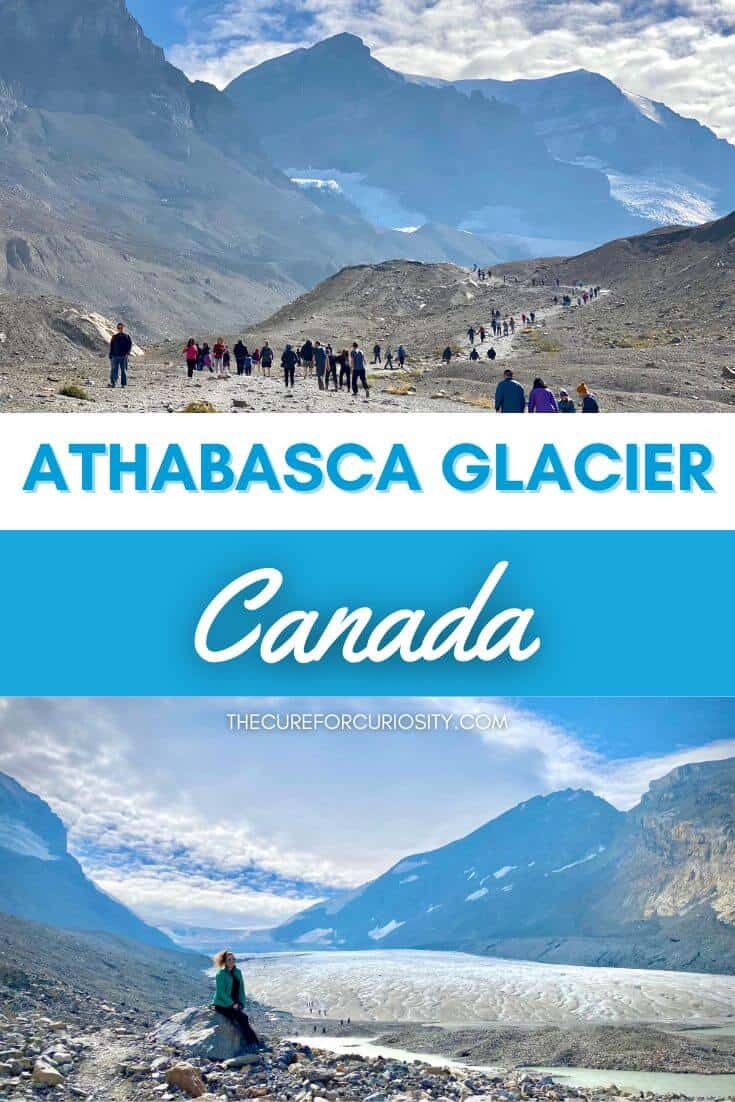
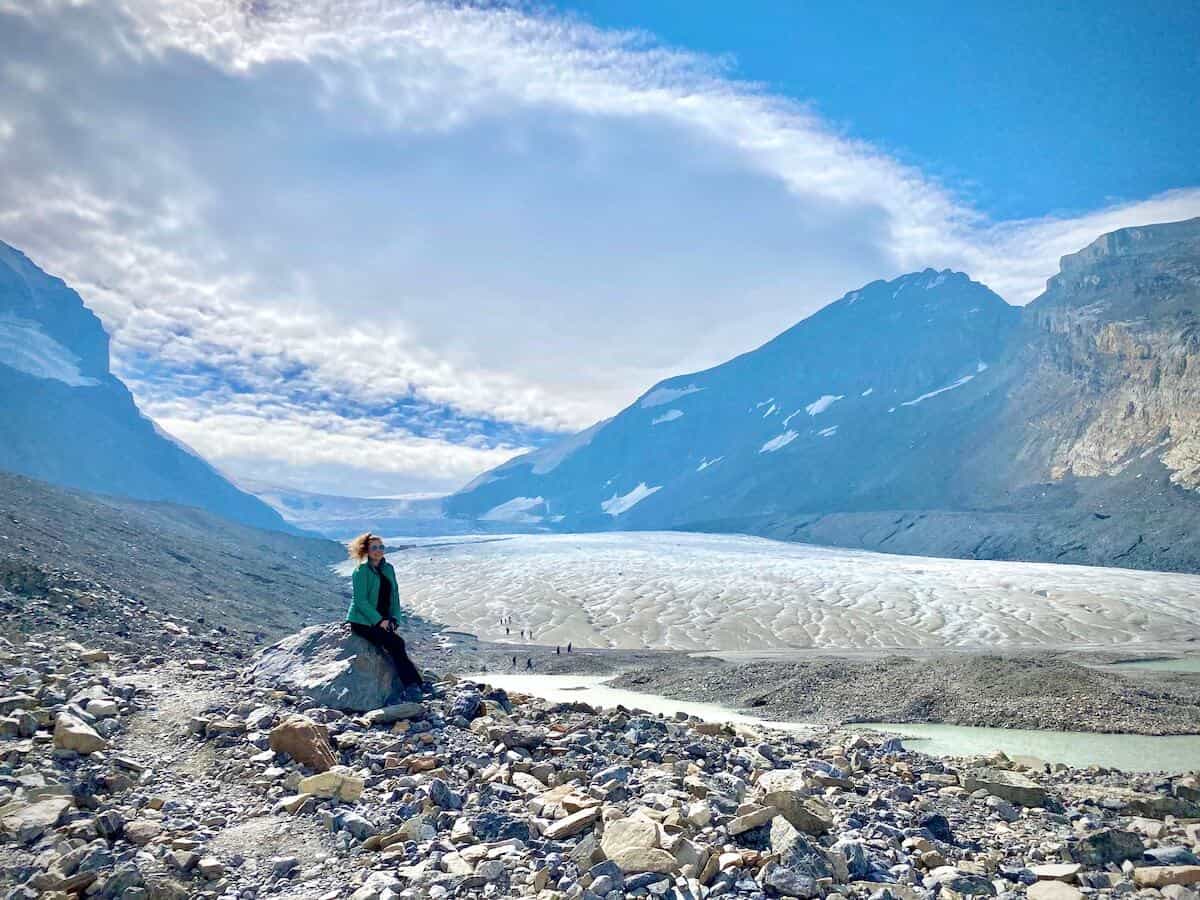
This short (under 1 mile), well-marked trail leads you to the glacier’s edge. Along the way, interpretive signs provide insights into the glacier’s history and retreat. The trail is suitable for most fitness levels, but sturdy footwear is recommended due to uneven terrain. We’re talking rocks, small streams of water (glacial melt), and more.
As you get closer to the glacier, you’ll see some ropes and guideposts to keep you on the trail. This is the official trail and you *should* stay on it, even though every time I’ve visited there are people ignoring it to walk on the glacier’s edge. That’s right, the Toe of the Athabasca Glacier trail gets you up close to the bottom of the glacier, but it does not actually let you walk on the glacier… which takes us to our next point.
2. Guided Glacier Hikes
If you want to walk on the ice, consider joining a guided hike onto the glacier itself.
IceWalks Guided Tours: IceWalks offers half-day and full-day tours led by certified guides, providing an in-depth look at the glacier’s features, including crevasses and meltwater streams. No prior experience is necessary, and all equipment is provided. Check availability here.
Tread Lightly Glacier Hikes: This sustainability-focused tour offers a 3.5 to 4-hour hike on the Athabasca Glacier, emphasizing minimal environmental impact. If you’re interested, your guide will look for places where you can descend below the ice surface. It also includes all necessary equipment, including poles and crampons. Check availability here.
3. Columbia Icefield Adventure and Glacier Skywalk
Want the most well-rounded Athabasca Glacier visit? This popular Athabasca Glacier tour combines a ride on a massive Ice Explorer vehicle onto the glacier with a visit to the Glacier Skywalk, a glass-floored observation platform extending 280 meters above the Sunwapta Valley. The experience offers breathtaking views and a unique perspective of the surrounding landscape.
4. Columbia Icefield Discovery Centre
Serving as the primary visitor center, the Columbia Icefield Discovery Centre offers educational exhibits, dining options, and ticketing services for various tours. It’s the starting point for both the Ice Explorer tours and the shuttle to the Glacier Skywalk. The center is free to visit and operates seasonally, typically from May to October.
Jasper Columbia Icefield Discovery Centre Hours of Operation:
- Mid-April – June: 10:00 am – 5:00 pm
- July – August: 9:00 am – 6:00 pm
- September – mid-October: 10:00 am – 5:00 pm
- Closed from mid-October to mid-April.
What to Know Before You Visit
Here are some practical tips to make your visit go smoothly.
- Clothing: Dress in layers, as weather conditions can change rapidly. Even in summer, temperatures on the glacier can be chilly, even if the rest of the Icefields Parkway isn’t cold. It is ice after all!
- Footwear: Sturdy, waterproof hiking boots are recommended, especially if you plan to hike the Toe of the Glacier Trail or join a guided glacier walk. There are parts of the Toe of the Athabasca Glacier Trail that have glacial melt streams you may need to hop across.
- Safety: There are areas where you’ll see people crossing the ropes to walk onto the glacier. If you so choose to cross the park’s boundaries, be aware that walking on glaciers can be extremely dangerous. Conventional advice is: Never venture onto the glacier without a certified guide. Why? Well, there are lots of hidden crevasses and unstable ice – particularly as it starts to melt in the summer. Make smart choices 🙂
- Booking Tours: If you want to get out onto the glacier or Skywalk, book the tours in advance, especially during peak summer season. You have a million+ people coming through the area at this time of year, and they can sell out.


FAQ About Visiting the Athabasca Glacier
Here are answers to some of the most commonly asked questions about visiting the Athabasca Glacier to help you plan your trip with confidence.
Where is the Athabasca Glacier located?
The Athabasca Glacier is located in the Canadian Rockies, along the Icefields Parkway (Highway 93) between Banff and Jasper National Parks. It’s part of the Columbia Icefield and sits about 1 hour south of Jasper and 2.5 hours north of Banff.
How do I get to the Athabasca Glacier?
You can reach the Athabasca Glacier via the Icefields Parkway, which is one of the most scenic drives in the world. The Toe of the Athabasca Glacier trailhead and the Columbia Icefield Discovery Centre are located just off the highway. This area is only accessible by road when the Icefields Parkway is open, typically from late spring to early fall.
Can I walk on the Athabasca Glacier by myself?
No, you should not walk directly onto the glacier without a guided tour. There are hidden crevasses and unstable ice that pose serious safety risks. However, you can hike safely to the toe of the glacier via the Athabasca Glacier Trail, which leads you close enough for an incredible view and photo opportunity.
What is the difference between the Athabasca Glacier Trail and the Athabasca Glacier Ice Walk?
- The Athabasca Glacier Trail is a (free) self-guided hike that takes you to the edge (toe) of the glacier but not onto the glacier itself.
- An Athabasca Glacier Ice Walk is a guided hike (with companies like IceWalks or Tread Lightly) that takes you safely onto the glacier surface with a trained guide, using crampons and safety gear.
Are there restrooms or food options nearby?
Yes, the Columbia Icefield Discovery Centre has restrooms, a cafe, gift shop, and interpretive exhibits. It’s the main hub for visitor services in the area. Make sure to get gas in Banff or Jasper before you start the drive!
Is the Glacier Skywalk worth it?
Yes, especially if you enjoy dramatic views. The Skywalk near Athabasca Glacier is a glass-bottomed walkway perched 918 feet (280 meters) above the Sunwapta Valley. It offers panoramic views of glaciers, waterfalls, and wildlife. Admission is often bundled with the Columbia Icefield Glacier tour. Check availability now.
What should I wear for an Athabasca Glacier hike?
Even in summer, conditions on the glacier are cold and windy. Wear layers, including a windproof/waterproof outer shell, sturdy hiking boots, gloves, and sunglasses to reduce glare from the ice. If you’re joining a guided Athabasca Glacier hike, the tour operator will usually provide extra gear like crampons and trekking poles.
Do I need to buy Athabasca Glacier tour tickets in advance?
It’s highly recommended, especially in July and August. Athabasca Glacier tour tickets can sell out, particularly for the Ice Explorer and Skywalk combo and the popular glacier ice walk tours. Booking ahead online will secure your spot and help you plan your itinerary more smoothly.
Is the Athabasca Glacier retreating?
Yes, the glacier has been receding significantly over the past century, more than 0.93 miles (1.5 kilometers) since the late 1800s. You can even see the year markers along the Athabasca Glacier Trail, showing how far the ice has retreated. This visible change is one of the reasons many people choose to visit now, while it’s still accessible.

Explore More of Canada
The Athabasca Glacier is one of the best stops on the Icefields Parkway in Canada, one of my favorite parts of Canada. In fact, it’s one of the most naturally beautiful parts of the world. Trust me, I’ve looked! Make the most of your visit with the Skywalk, hiking to its toe, or trekking across its icy expanse. You won’t regret it!
Here are additional resources for your trip to Canada.
- Athabasca Glacier in Canada: Best Tours, Hikes, and Travel Tips
- Top Hikes in Waterton Lakes National Park to Add to Your Itinerary
Like this post? Pin it.