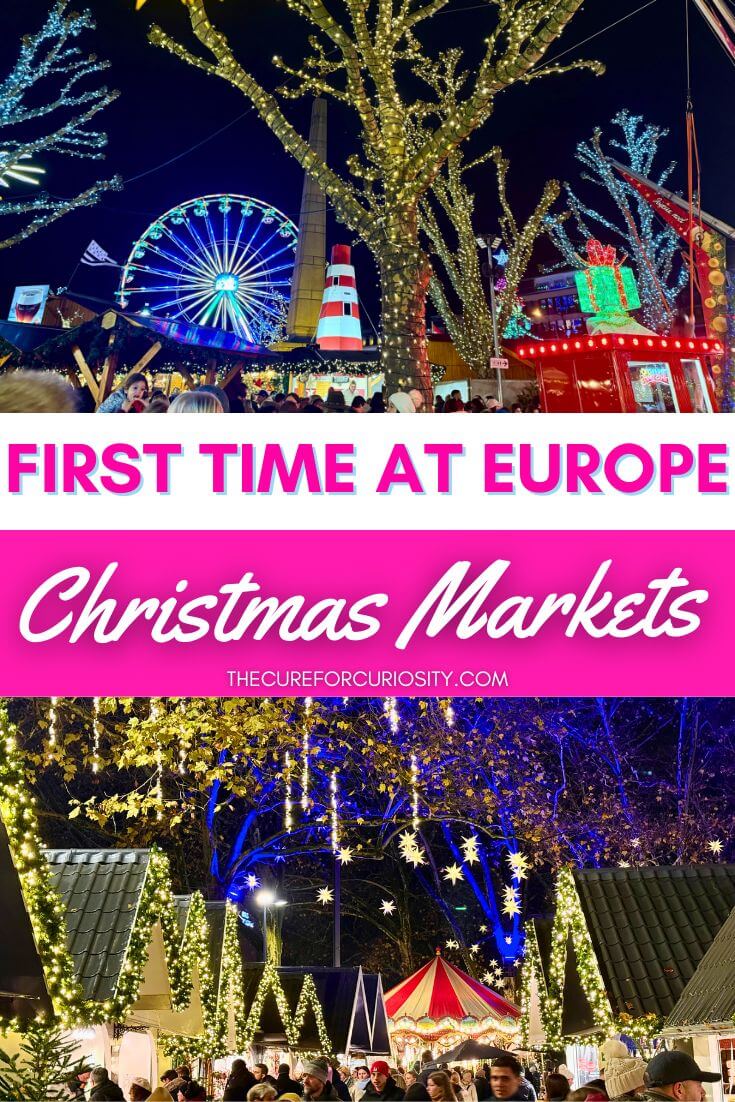
10 Key Tips for First-Time Visitors to European Christmas Markets
If you’ve ever dreamed of wandering through a magical winter wonderland filled with twinkling lights, spiced wine, and adorable wooden stalls, European Christmas markets should be at the top of your bucket list. But before you go, I have some tips for European Christmas markets to help you avoid common pitfalls and make the most of your trip.
That’s right, this year, I’ve braved the cold for my Europe Christmas market 2024 adventure—my first time to hit multiple Christmas markets at once! So far, it is every bit as magical as I’d imagined. But let’s just say I’ve learned a thing or two along the way.
Here’s some helpful tips to enjoy the festive fun at Christmas markets in Europe for first time visitors.
Disclosure: Some of the links below may be affiliate links. At no additional cost to you, I may earn a small commission if you make a purchase.
A Little Christmas Market History
Before we dive into the logistics, let’s set the scene. Christmas markets date back to the late Middle Ages in German-speaking regions, with Dresden’s Striezelmarkt holding the title as one of the oldest (dating back to 1434).
Traditionally, these markets were a way for townsfolk to stock up on winter essentials and festive treats. Fast forward to today, and the markets have become an iconic December European holiday experience.
While Germany and Austria are the traditional heavyweights (hello, Nürnberg, Munich, Cologne, and Vienna), Christmas markets have spread all over Europe. Some of the most magical ones are in surprising places, like Zagreb, Tallinn, and even Edinburgh. But honestly? The smaller markets in quaint towns or villages are often the real gems—less crowded, more intimate, and bursting with charm.
My 2024 Christmas Market Itinerary
To help set the stage, my 2024 European Christmas market trip is a few weeks long hitting Christmas markets and exploring cities in Germany, the Netherlands, Luxembourg, Belgium, and France. Most cities I am going to are new to me, and I’ve only been to one Christmas market in Europe previously – Brussels 2006.
10 Tips for First Time Christmas Market Trips in Europe
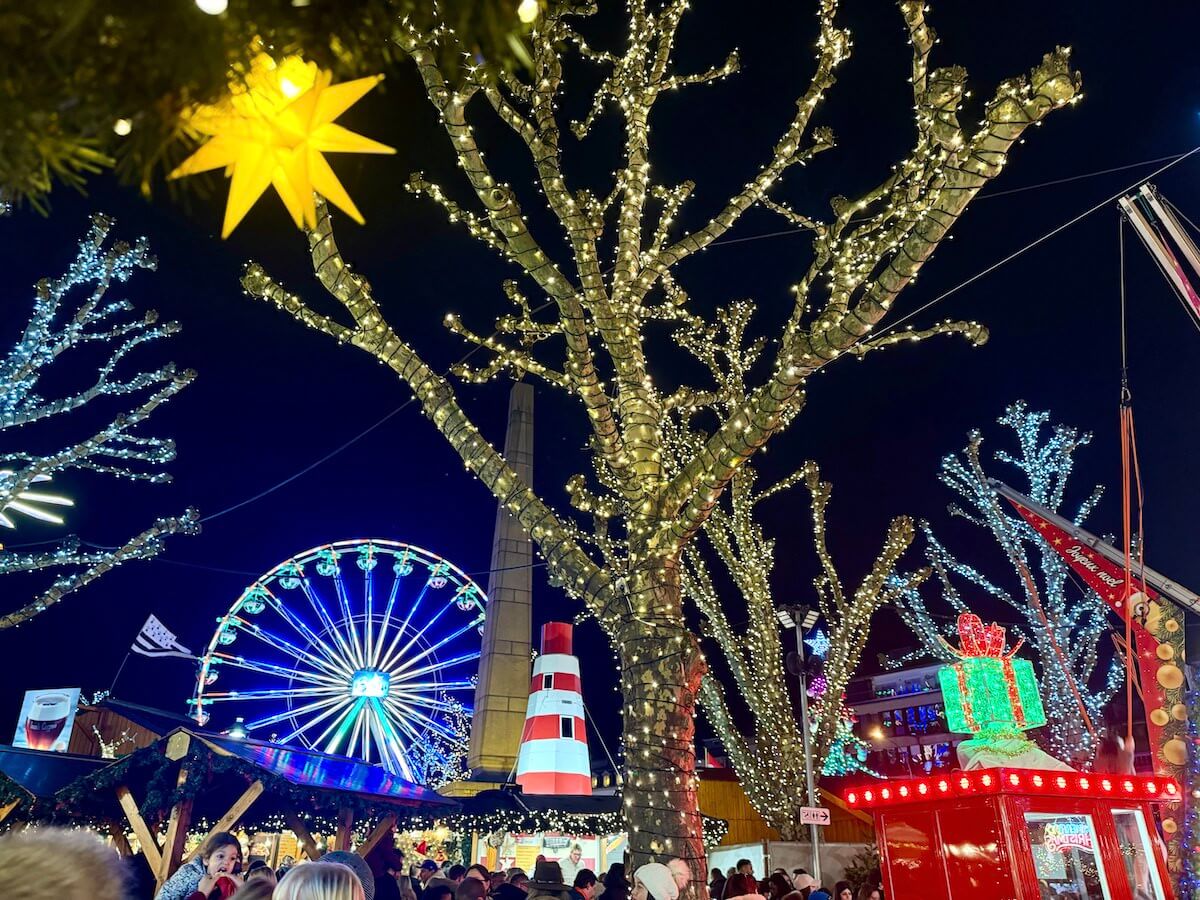
Coming from the United States, I get excited about the charm of European towns even in the middle of summer. Add in Christmas lights, warm drinks, and tasty snacks – I’m in heaven! Of course, planning a trip to Europe in December for Christmas markets requires slightly different planning than other times of the year.
Here are some tips I’ve learned from planning my 2024 trip to the Christmas markets of Europe and some I’ve learned on the ground as I explore the markets. (Yes, I am writing this from Luxembourg City.)
1. Plan Ahead, but Be Spontaneous
Booking a trip to the Christmas markets in Europe is really exciting, but it’s also a bit stressful to get all the details to align. Because it is a very busy time of year in many of the prime Christmas market towns, you’ll need to book things in advance.
This means planning out your itinerary before you arrive. Specifically, you’ll want to:
- Decide what Christmas markets you want to go to.
- Research when those Christmas markets are open.
- Book your flights to your starting point in Europe.
- Reserve a rental car or book train tickets early.
- Book your hotels in advance.
Now, I’m not always an advance planner when it comes to travel… which many of you already know, but there are times and places where you need to plan ahead. This is typical with any “event” or high season. The reason? Things book up and then you’re out of luck.
Let’s take Colmar, France for example. It’s a prime Christmas market town, but it is just that – a town. It only has so many hotels and so many trains coming to the city. If you wait to book, you will find yourself staying outside the town and paying too much for a poorly-reviewed hotel. Just book ahead. Make it a relaxing and fun vacation.
So what do I mean by staying spontaneous? While you should create a loose itinerary to book key transportation and hotels, don’t book your days solid. Plan in some wiggle room for day trips or stumbling across new markets you didn’t know exist. Leave room in your schedule for the unexpected. Some of the best memories happen when you least expect them.
2. Check for Train Tickets In Advance
One of my favorite parts about Europe is the ease of transportation. You can simply jump on a train and be in a new city-or country-in no time! This is practically impossible where I live in the states!
While Europe’s train network is a dream for travelers, around Christmas, it’s a different story. Trains can fill up quickly, especially for long-distance routes or scenic trains connecting Christmas market hubs. Don’t let this negatively impact your trip.
Here’s what I learned that may help you make your train travel in Europe go smoothly.
- High-Speed Trains: For popular routes like Paris to Strasbourg, Munich to Vienna, or Zurich to Salzburg, book your tickets well in advance to guarantee your spot. These trains, including TGV, ICE, and Railjet, often have discounted fares for early bookings, but those disappear closer to departure. You could end up paying 4x (or more) the cost if you wait!
- Regional Trains: These typically don’t require reservations, but they can still get crowded. They are typically marked R, RE, M, ALX, etc. Arrive early to snag a seat, especially if you’re traveling with luggage.
- Night Trains: Christmas markets often coincide with winter vacations, making sleeper trains like the ÖBB Nightjet a popular choice. If you’re eyeing one of these, book as far in advance as possible. They can sell out.
Pro Tip: Trainline makes it easy to search and book trains for Christmas markets in Europe. It searches 270 European train and bus companies at once!
3. Book Hotels for Your Christmas Market Trip Early
When it comes to accommodation for Christmas market trips, booking early is absolutely needed—especially in smaller towns.
Popular destinations like Nuremberg, Strasbourg, or Salzburg see a surge in visitors, causing hotel prices to spike closer to December. Central locations near the markets may already be fully booked months in advance. Secure your spot early. It will not only save you money but also ensures you’re within walking distance of the action.
In small towns or villages with renowned markets, the availability is even more limited, as these areas often have fewer hotels to begin with. If you delay, you might find yourself staying far from the town center or even in a neighboring village. This can make logistics more complicated.
Planning ahead gives you the best chance of snagging amazing accommodations at reasonable prices. This allows you to focus on enjoying the mulled wine and twinkling lights without stressing about where you’ll sleep.
Pro Tip: I always book hotels through Booking.com. They offer a great selection, many hotels have free cancellation options up until the day before you travel, and if you stay a few times, you get into their “Genius” program which will give you discounted rates.
4. Shop Like a Pro this Christmas
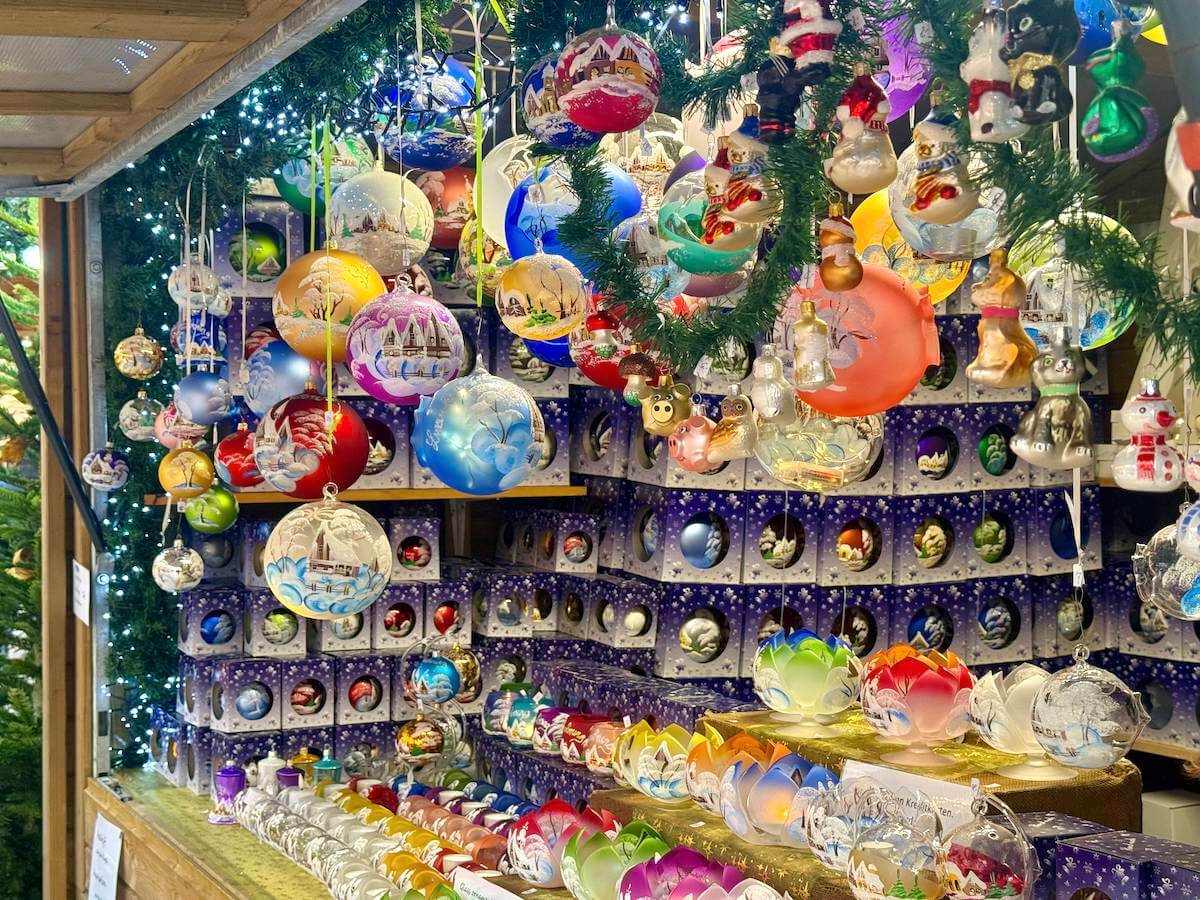
When it comes to Europe’s Christmas markets, the wooden stalls are a treasure trove of holiday goodies: hand-carved ornaments, nativity scenes, woolen scarves, candles, candies, and more. But, not all souvenirs are created equal. Some items—like mass-produced trinkets—seem tempting until you realize they’re at every other stall.
My strategy? Take a “reconnaissance loop.” Stroll through the market first, take mental notes (or photos) of what catches your eye, and circle back to buy your favorites. Look for unique, handmade items from smaller vendors. The moment you buy directly from the artisan who made it, the souvenir becomes that much more special.
Pro Tip: If you’re a big shopper, pack a collapsible bag in your pocket to expand to hold your treasures from the Christmas markets. Similarly, if you want to do a lot of shopping, you may want to bring an empty suitcase or duffel bag to take everything back home!
5. Best Things to Buy at Christmas Markets across Europe
Obviously, the answer to what to buy at European Christmas Markets is really… whatever speaks to you. However, if you’re wondering what’s worth squeezing into your suitcase, here are some of the best finds:
- Handmade Ornaments: Whether it’s a carved wooden star, a delicate glass bauble, or a knitted reindeer, ornaments are a classic Christmas market souvenir. Look for unique designs crafted by local artisans. Make sure to pack them carefully so they don’t break!
- Nativity Sets: Germany and Austria are famous for their beautiful hand-carved nativity scenes. You can find everything from full sets to individual pieces, so you can build your collection year by year.
- Local Specialties: Bring home a taste of the region with items like Swiss chocolate, French jam, or Italian truffle oil. Edible gifts are crowd-pleasers and perfect for holiday parties. Best of all? They get used and disappear rather than sitting on the shelf for years to come.
- Wool and Textiles: From hand-knitted scarves to embroidered table runners, you’ll find plenty of items to keep you warm or dress up your home.
- Candles and Decorations: Advent candles, wreaths, and hand-poured candles in festive shapes or scents are great for creating a holiday vibe at home.
- Ceramic Mugs: As we’ll discuss more below, many markets feature collectible mugs with unique designs. They make perfect souvenirs or gifts—and you can enjoy a steaming cup of glühwein back home while reminiscing about your trip.
My personal advice: Avoid the temptation to buy something that seems too mass-produced. If you see the same item at several stalls, it’s likely factory-made. Instead, look for smaller vendors specializing in one or two types of items—they’re often the ones creating authentic, handmade treasures.
6. Fuel Your Christmas Market Crawl: Food Edition
If you think you’ll only stop at one food stall, think again. Christmas markets are a feast for the senses—and your stomach. The options are endless, from savory to sweet. You have to try them all!
As you do your loop around the market checking out the stalls, pay attention to the food vendors so you use your hunger wisely. Here are some of the most common items you’ll encounter.
- Sausages: Germany reigns supreme here. Go for bratwurst or try Käsekrainer (cheese-filled sausage).
- Rösti & Kartoffelpuffer: Think hash browns or potato pancakes, crispy and delicious.
- Flammkuchen: A thin, crispy flatbread topped with cheese, onions, and bacon.
- Raclette: Ooey, gooey melted cheese scraped over bread or potatoes.
- Sweet treats: Don’t miss trdelník in Prague, waffles in Brussels, gingerbread in Nürnberg, or candied almonds in Vienna.
To help make space for all the delicious snacks, I highly recommend sharing with your travel companions. This way you can try everything instead of having to make tough decisions.
7. Don’t Miss the Hot Drinks
With so much food to choose from, you may be distracted from the main event: the Christmas market drinks! Hot mulled wine (called glühwein in German and vin chaud in French) is the undisputed star of the show. It’s offered everywhere, is delicious, and will keep you warm!
You also won’t want to sleep on Feuerzangenbowle (a flaming rum-spiked version) or Eierpunsch (think of it as Germany’s eggnog). Alternatively, there’s also beer or hot chocolate and coffee with Baileys or Amaretto at some of the markets.
The best part? Most drinks at European Christmas markets come in collectible mugs that you can return for a deposit (pfand)—or keep as a souvenir.
How does this work? Well, when you buy a glühwein, the price is say, €5 and the pfand is €3. You pay €8 for your drink. Once you’ve emptied your mug, you can keep it as a souvenir, or you can turn it back in at the glühwein stand for a €3 refund.
Pro Tip: Some vendors accept credit cards, but many do not. Keep some cash and small coins handy for mug deposits, snacks, and the occasional pay-to-use bathroom. Some markets also have ATMs set up for those who have run out of cash, but the lines tend to be long during peak hours.
8. Timing is Everything at the Christmas Markets
Christmas markets in Europe generally run from mid-November to early January, with some closing right after Christmas. The key is checking the details before you go. Smaller markets might only operate on weekends and some close on Christmas Day itself.
The best way to do this is to look up each city you want to visit individually. Most will have a page dedicated to their Christmas celebrations on the city’s website. These include details on the many markets in town, when they’re open, and any special events going on. Make note of these before you book your travel to ensure they’re open when you arrive!
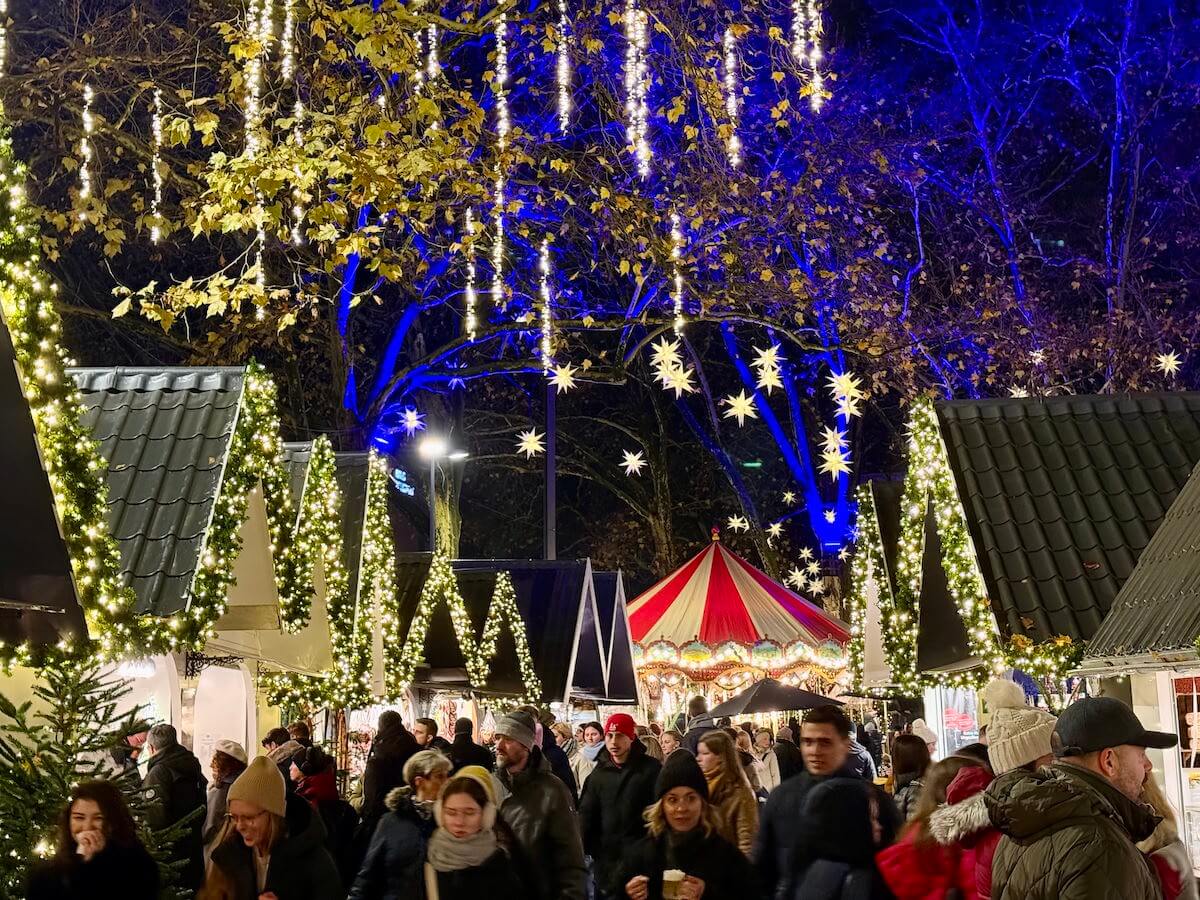
Crowds are also an inevitable part of popular European Christmas markets like Strasbourg or Munich. To avoid the worst of it, visit on weekdays or arrive early in the day. My sweet spot? Late afternoon into early evening. The sun sets around 4:30pm allowing you to soak up the twinkling lights before dinner time and after work crowds strike.
Trust me, it can get shoulder-to-shoulder with lines at every food and drink stall. Add in the pleasure of being bumped left and right while you’re trying to enjoy your food, and it’s not quite as much fun as you may have pictured.
9. Dress for Comfort and Warmth
Let’s talk about the weather. It’s cold—often wet—and you’ll be walking. A lot. Dress in layers (wool socks and waterproof boots are non-negotiable). Bring a warm, waterproof coat, gloves, hat, thermals, and a scarf or buff. Trust me, you will want all of it!
In Cologne, our first Christmas market, we hit below freezing temperatures with a mixture of rain and snow – in mid/late November! This could have been miserable, but we layered up… and then added yet more layers, and were good to go.
When in doubt, there’s also the answer of more glühwein. It will keep your hands and insides warm! But seriously, pack the layers. You won’t regret it.
10. Stay Safe at Europe’s Christmas Markets
Let’s be honest: nothing kills the holiday cheer like realizing your wallet has disappeared along with your mug deposit. Christmas markets are magical, but they can also be prime hunting grounds for pickpockets, especially in crowded areas.
Don’t let that scare you off—just follow a few simple tips:
- Keep Valuables Close: Use a crossbody bag or a money belt and keep it zipped at all times. If your coat has an inner pocket, even better! Coats with zipper pockets are great too.
- Stay Aware: It’s easy to get lost in the sights and smells, but keep an eye on your surroundings, especially in tight spaces or near distractions like street performers. Pickpockets are looking for easy targets. Don’t be the easiest target.
- Limit What You Bring: Stick to the essentials. Leave passports, extra credit cards, and anything irreplaceable in your hotel room safe. You won’t need it. Honestly, I’d even leave your DSLR or mirrorless camera behind and just use your phone for pictures. It’s one less thing to worry about.
- Watch Your Drinks: You’re probably not going to find anything nefarious in your glühwein, but accidents happen. Don’t leave drinks unattended…ever. Also, pace yourself—navigating cobblestone streets on too much Eierpunsch is a recipe for disaster.
- Buddy System: If you’re visiting in a group, stick together in crowded spots. It’s easy to get separated in the hustle and bustle. When in doubt, set a meeting point when you arrive in case you get separated – especially if you don’t have phone service where you are!
Find more travel safety tips here!
Explore More of Europe
Whether you’re sipping glühwein under the lights in Cologne, watching kids ride the carousel in Nürnberg, or nibbling on gingerbread in Strasbourg, European Christmas markets are a delightful escape. And, they’re not just about shopping or eating… even if that’s one of my favorite parts. They’re also about soaking up the atmosphere and embracing the Christmas magic.
Now that you have these need to know tips for European Christmas markets, pack your warmest coat, bring an extra bag, and prepare to get swept up in the twinkling, cinnamon-scent of Europe’s Christmas markets. Just don’t forget the wool socks.
Want to explore more of Europe’s Christmas Markets? Here are some helpful posts:
- Two Week European Christmas Market Itinerary: Central-Western Europe
- What to Pack for a Christmas Market Trip to Europe
- The Mugs of European Christmas Markets: How the Deposit Works
Like this post? Pin it.