16 Things to Know Before Visiting Morocco
Learn the ins and outs of traveling to Morocco so that you’ll have an awesome, worry-free trip!
Traveling to Morocco is amazing, but it can also be intimidating. How do you learn about the country’s rich history and culture before visiting Morocco to ensure you have a safe and rewarding experience? Let’s ease your fears by going through what’s important to know before you go to Morocco to ensure you have a safe and enjoyable trip.
In this post, I’ll go through all the basics to know about Morocco so you can plan your trip confidently. Here are some of the topics I’ll be covering in depth:
- The language of Morocco
- The culture and religion in Morocco
- Need to know currency and cost details
- What (and what not) to eat and drink in Morocco
- The best time to go to Morocco and what to expect from the weather
- Common scams and how to stay safe in Morocco
- What to pack and wear for Morocco
- How to get around Morocco – both in cities and between cities
- Top things to see in Morocco
- Where to stay in Morocco
- What to put on your souvenir list for Morocco
- How long you need in Morocco plus sample itineraries
Let’s dive right in!
Disclosure: Some of the links below may be affiliate links. At no additional cost to you, I may earn a small commission if you make a purchase.
1. Official Language of Morocco
Arabic is the official language of Morocco. However, many people you encounter will also speak French and English, particularly in tourist areas. To make your trip go off without a hitch, you may do well to learn a few basic Arabic phrases. This can help in communicating with locals and shows respect for the local Moroccan culture.
By far the most useful Arabic words to know are “Shukran” (thank you) and “La, shukran” (no thank you) along with “Marhaba” (hello). It provides the good will you want to build and can help you shake off touts who may be bothering you.
2. Culture of Morocco
Morocco is a Muslim country with rich history and diverse cultural influences. When visiting, you’ll want to ensure you are showing the utmost respect to their people and their country. This means it is important to dress modestly and show respect for local customs.
While you will see people wearing all kinds of outfits, to be respectful (and deter harassment) women should cover their shoulders and knees when in public. This will help you blend in and minimize the stares of local men.
Another important cultural thing to know is to remove your shoes before entering a mosque or someone’s home. Shoes are considered dirty, and you don’t want to offend your hosts. Additionally, if you’re planning to take a photo of a person, always ask for permission. This should go without saying, but you don’t want to be wrong!
Check out what to wear in Morocco as a female tourist.
3. Religion in Morocco
The dominant religion in Morocco is Islam. No matter what your religious beliefs are, you should be respectful of religious practices and customs. This includes remembering to dress modestly and remove your shoes before entering a mosque.
It’s also worth noting that during Ramadan, the holy month of fasting, many restaurants and cafes may be closed during the day. This can make it difficult to travel in Morocco during Ramadan as you will find far more limited restaurant options and you may offend locals by disregarding Ramadan by eating when they are fasting. If possible, schedule your trip at a different time of year to avoid Ramadan.
4. Official Currency of Morocco
The official currency of Morocco is the Moroccan Dirham (MAD). The dirham banknote denominations are 20, 50, 100, and 200 MAD, and the coin denominations are 1, 2, 5, and 10 MAD. ATMs are now widely available in major cities across the country and more and more hotels, restaurants, and shops are starting to accept Visa and Mastercard.
When you first arrive in Morocco, I recommend you stop at a bank’s ATM or exchange money at an official exchange office or bank to have some cash on hand. Do not exchange money on the street. You are far more likely to receive the wrong exchange rate or counterfeit money.
A few key things to know about money in Morocco:
- Tipping is common in Morocco, particularly in restaurants and for service providers like tour guides and taxi drivers. Generally a 10-15% tip is acceptable.
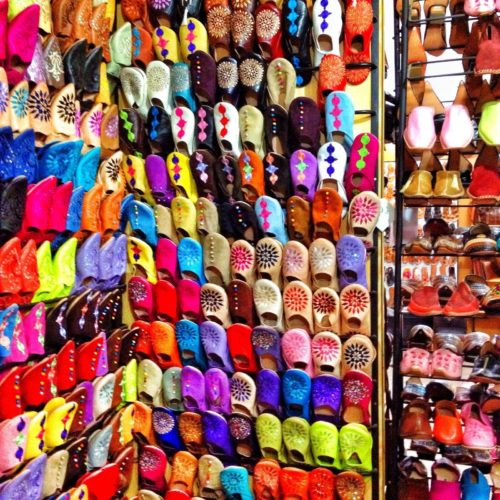
- Bargaining is common place when visiting markets and souks in Morocco. Vendors are expecting you to negotiate. In fact, often the prices they first offer you are highly inflated expecting bargaining to follow, so don’t be afraid to negotiate prices, just remember to be respectful and polite when doing so.
- Pricing in the souks is all over the place. If you want to buy something, price it out first at the set price shop, Ensemble Artisanal, right outside of the Medina to have a point of reference. This will help you know what things should cost and get better deals during your negotiations.
5. The Cost of Traveling in Morocco
The cost of a trip to Morocco will vary all over the place. It can be extremely budget friendly or you can splurge and live large on far less than you may be able to where you’re from. (Hint: It’s a lot cheaper than the United States!)
To give you a rough idea of costs, budget travelers will likely spend $30 – 50 USD per day in Morocco while luxury travelers will be closer to $150 – 200+. Here are some baselines to work with on common travel expenses.
- Accommodations: If you’re traveling on a budget, hostels can range around $10 – 15 per night. Meanwhile fancy riads and higher end hotels can be a few hundred dollars per night. I stayed in a wide variety and honestly, they were all amazing!
- Food and drink: I’ll talk more about food and drink in a minute, but typically you can find meals well under $10 at local restaurants if you stick to the local specialties. If you plan to go to high end restaurants or eat foreign foods, your budget could be closer to $30 – 50 per person.
- Transportation: To stay on the low end, plan to take the local transportation, like buses and trains from city to city. These will typically run between $5 – 50 depending how far you’re traveling. For looser budgets you can opt for private drivers, taxis, and first class trains.
- Entrance fees: For the most popular sights in Morocco, you’ll find entrance fees ranging from $1 – 10. There are also plenty of free activities in Morocco if you’re worried about breaking the bank.
6. Food and Drink in Morocco
Moroccan cuisine is best known for its tasty flavors and spices that come from a blend of Arab, Berber, and Mediterranean influences. If you’re looking for traditional Moroccan food, look for tagine, a slow-cooked stew, couscous, and pastilla (a savory pie). In terms of local drinks, mint tea is the staple in Morocco.
Some additional tips to keep you safe and healthy while drinking and eating in Morocco.
- Tap water is not usually potable in Morocco. Stick to bottled water or mint tea!
- Use caution when eating at food stalls in Morocco – including in the main squares. Most of the food comes from a different restaurant or cafe to be served there so it may not be the freshest and can more easily upset your stomach.
- While alcohol is available in parts of Morocco, it is not widely consumed due to religious and cultural conflicts.
- If you do choose to consumer alcohol in Morocco, it’s worth noting that it is illegal to drink alcohol in public spaces in Morocco.

7. Weather in Morocco
Morocco has a Mediterranean climate. This means they face hot summers and encounter mild winters. Depending when you’re planning to visit, temperatures in Morocco can vary greatly. Make sure to check the weather forecast before packing.
In addition to checking the weather, always make sure to pack appropriate clothing for conservative areas. As a woman, this may include bringing a scarf or shawl to cover your head and shoulders in more conservative locations.
8. When to Visit Morocco
Generally, the best time to visit Morocco is during the spring (March to May) and fall (September to November). This is when the weather is mild and pleasant, making it perfect for sightseeing and outdoor activities.
During the summer months (June to August), it gets extremely hot, particularly inland. This will make outdoor activities less enjoyable. However, if you plan to visit the coastal regions of Morocco, such as Casablanca, Essaouira or Tangier, summer can be the ideal time to enjoy the beaches.
The winter months (December to February) can be cold and rainy in some parts of Morocco, particularly in the north and the mountains. However, if you are interested in winter sports, such as skiing or snowboarding, winter is the best time to visit the Atlas Mountains to take advantage of them.
9. Staying Safe in Morocco
Morocco is generally safe for tourists. However, it is important to take precautions to avoid being a victim of local scams, harassment, or theft. To minimize your risks, use basic precautions like avoiding walking alone at night, being extra cautious when using ATMs or exchanging money, and always keeping an eye on your belongings in crowded areas.
Common Scams
Unfortunately, crime is not completely uncommon in Morocco, particularly scams targeting tourists. Here are some of the best known crimes and scams in Morocco to watch out for. You’ll notice they’re the same as a lot of other tourist destinations. This is because these scams work!
- Touts and unofficial guides: Tourist areas are crawling with “guides” who are willing to take you to specific shops or attractions. They often are not official and take you to places that give them a kickback. It’s best to politely decline and use official tour guides or taxis to get to where you want to go.
- Overcharging or fake currency: Always, always check and agree on the price of an item or service before you accept it. This includes taxis and souvenirs. Additionally, check your change carefully to ensure you weren’t given fake currency.
- Closed attractions: If you’re headed to a specific attraction or store, it’s quite common for touts or unofficial guides to tell you it’s closed and offer to take you somewhere else. Always double check with the official tourism office or guidebook. They often just want to misdirect you to the store or destination that gives them a kickback.
- Carpet and spice scams: Be wary of carpet or spice vendors who offer to show you their products and then pressure you into buying something you don’t want or need. Always shop around and compare prices before making a purchase. When in doubt, just walk away.
- Pickpocketing: Don’t take anything with you that you don’t want pickpocketed. In the crowded souks and central square it’s easy for it to happen. Take a picture, put your phone or camera away in a secure spot. Keep your wallet in your front pocket. Lock your backpack.
Looking for more safety tips for Morocco?
Check out: Need to Know Safety Tips for Solo Female Travel in Morocco
10. What to Wear in Morocco
A common question for visiting Morocco is what should you wear? It’s a Muslim country. It’s hot there in the summer. How do you decide what to pack for Morocco? Well, you’re in luck, it’s actually not that difficult. Here are some key points to remember when selecting your clothing.
- Cover your shoulders and knees: Due to the local culture, it’s most respectful to wear clothing that covers your shoulders and knees. This is particularly true when visiting mosques or other religious sites. Generally, this means avoiding tank tops, shorts, and short skirts.
- Choose loose-fitting clothing: Select clothing that can be covering and still allow for air flow and breathability to accommodate the hot climate. Choose flowy pants or long skirts with linen or gauzy tops or tunics. You will stay cool while also respecting local customs.
- Bring a scarf: The best accessory for Morocco is a lightweight scarf. Whether you pack one or buy one there, pop it in your bag and pull it out as necessary to cover your hair, shoulders, or chest.
- Pack comfortable shoes: You will be walking a lot in Morocco and often times it’s over uneven terrain. Pack comfortable walking shoes. This is really dependent on personal choice and what you find most comfortable. Sandals or slip-on shoes can be a good option.
Want more details on what to wear – or not wear – in Morocco?
Read: What to Wear in Morocco as a Female Traveler
11. How to Get around in Morocco
Morocco is a surprisingly large country, and it can take some time getting from place to place. Fortunately, transportation in Morocco is pretty easy to navigate. Here are your best options for traveling around Morocco.
Local Transportation
Public transportation in Morocco is often limited inside the city limits. To make the most of your time in Morocco, you’ll generally want to hire a private driver or take a taxi to get to where you’re going – unless you’re in the Medina. If you’re in the Medina, walking is generally the best way to get around!
Here is some additional context for each option to ensure you get to your destination.
- Private drivers: To find a private driver ask previous visitors to Morocco for recommendations or ask your hotel to recommend someone. They generally can guide you in a trustworthy direction as they want you to have a positive experience.
- Taxis: For taxis, you can flag them on the street. No matter which mode of transportation you use in Morocco, make sure to agree on the price before getting in the car. Otherwise you may be overcharged or potentially run into a disagreement with the driver when you arrive at your destination.
- Walking in Medinas: In the Medinas, expect to get lost whether you have a map or not. If you need help or directions do not ask a man or boy, always ask a woman or if need be, a shopkeeper who is busy. Otherwise they will demand money or a tip for their service.
- Tours: Another way to get around a city is to simply sign up for a tour. This could be a walking tour which will show you around the confusing Medinas or tours that go into the suburbs or to other nearby cities. I recommend checking Viator and Get Your Guide for tour options.
City to City Transportation
If you’re trying to get from one city to another, you’ll have additional options for transport across Morocco.
- Trains: Morocco has an extensive train system operated by the national railway company, ONCF. Their trains are generally reliable and comfortable and connect the major cities like Marrakech, Casablanca, Fez, and Tangier.
- Buses: Another popular option for traveling around Morocco is using the bus system. There are several companies offering services between cities and towns. You can either book in advance or show up at the bus station and talk to the vendors to find your best route. Taking buses in Morocco is definitely a bit more chaotic than the train.
- Car Rentals: Have full freedom over your Morocco itinerary by renting a car and setting off on your own! To find the best prices, check out Discover Cars. They search over 500 suppliers to help you find the best car rental rates for your trip.
- Tours: Similarly to above, there are some awesome tours in Morocco. Choose one of these to get from city to city or to explore other cities from your home base. Viator and Get Your Guide offer ample options.
- Flying: Of course, you can also book a flight to hop from city to city within Morocco, but I’d check the other options first as they tend to be more reliable and you’ll see more of the country this way!
12. What to See in Morocco
Morocco has incredible places to visit, from colorful markets to the Sahara Desert. You’ll be able to find something for every member of the family! Here are some of the most popular places to visit in Morocco that you’ll want to add to your itinerary.
- The Medina of Marrakech: The walled city of Marrakech is a UNESCO World Heritage site and home to the famous Djemaa el-Fna square, colorful souks, palaces, and mosques.
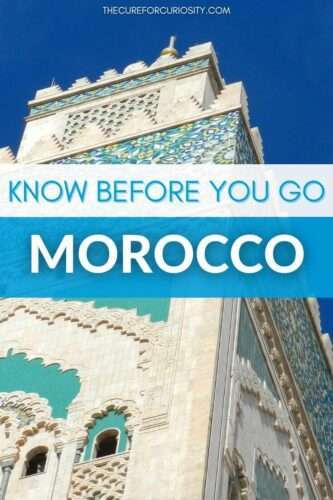
- The Hassan II Mosque in Casablanca: This impressive mosque is the largest in Morocco and one of the largest in the world, with a stunning oceanfront location and intricate details.
- The blue city of Chefchaouen: The most picturesque town in Morocco is located in the Rif Mountains and known for its distinctive blue-painted buildings and narrow streets. It’s a popular destination for photographers and artists – and my favorite!
- The Erg Chebbi sand dunes: These massive sand dunes are a popular spot for camel treks and overnight camping. You’ll also find stunning views of the sunset and stars.
- The Atlas Mountains: The main mountain range that runs through Morocco is the Atlas Mountains. They offer beautiful hiking trails, traditional Berber villages, and fabulous panoramic views.
- The coastal city of Essaouira: Best known for its beautiful beaches, vibrant music scene, and well-preserved historic fortress is the seaside town of Essaouira.
- Ait Benhaddou: A picturesque fortified village and UNESCO World Heritage site, Ait Benhaddou has been used as a filming location for many movies, including Gladiator and Game of Thrones.
- The Fez Medina: The ancient walled city of Fez is home to some of the oldest universities and mosques in the world, colorful souks, tanneries, and traditional crafts.
13. Where to Stay in Morocco
Morocco offers a wide range of accommodations for all types of travelers and budgets. Choose from luxurious riads or budget-friendly hostels. Here are the five main types of accommodations you’ll run into in Morocco.
- Riads: A must try for people visiting Morocco – riads are traditional Moroccan houses with interior courtyards that have often been converted into hotels or guesthouses. They offer a unique Moroccan experience and are typically found in the Medinas with prime location.
- Hotels: Morocco offers tons of hotels from budget options to luxurious five-star properties.
- Hostels: For budget-conscious travelers, hostels are the best option. There are some fabulous ones located in the most popular tourist areas and you can choose from shared dormitories or private rooms.
- Camping: For those looking for something outside of the norm, camping is an option in some Moroccan cities, including the Sahara Desert and along the coastline. I highly recommend camping at least one night in the Sahara.
- Guesthouses: Lastly, guesthouses tend to be run by local families and a bit smaller offering a more personal experience. They can be a great chance to connect with locals.
To find the best rates with flexible cancellation policies, I always recommend booking with Booking.com. They also have a loyalty program that as you book more hotels, you start saving!

14. What to Buy in Morocco
The souks and markets across Morocco are just begging for you to buy, buy, buy! Don’t miss the opportunity to snag some awesome deals on souvenirs. Here are some of the most popular souvenirs from Morocco.
- Handmade rugs and carpets: Morocco is famous for its intricate and colorful Berber carpets and rugs. True Moroccan rugs are handmade using traditional hand looms, but there are also many mass produced rugs for sale – proceed with caution.
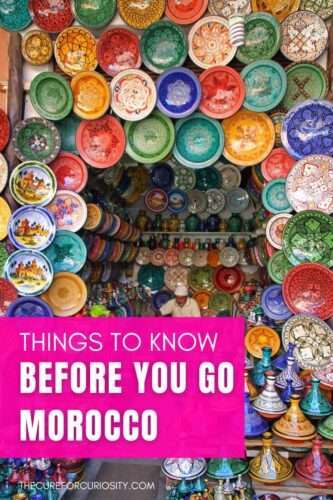
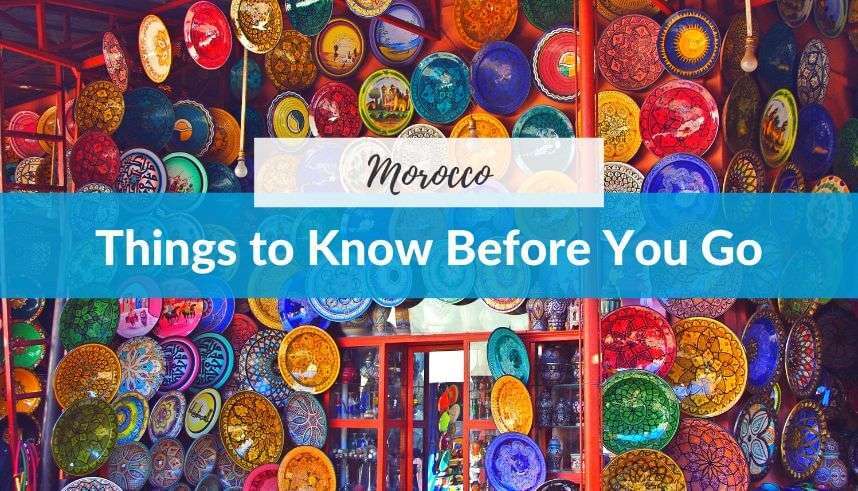
- Moroccan pottery and ceramics: Moroccan pottery is best known for its bright colors and intricate patterns. Throughout Morocco you’ll find a range of sizes and styles for sale.
- Leather goods: One of the best things Morocco is known for is high-quality leather goods. You’ll find shop after shop and stall after stall selling bags, shoes, belts, etc. In most cases, these are locally made using traditional handcrafted methods.
- Spices: Another common souvenir from Morocco is spices. As you walk through the souks you’ll find bags and tubs full of colorful spices such as saffron, cumin, and paprika.
- Argan oil: Argan oil is a popular beauty product said to have moisturizing and anti-aging properties. To make argan oil, you have to start with argan trees, which are native to Morocco. This makes it readily available across Morocco.
- Handcrafted jewelry: Moroccan jewelry is often made locally featuring intricate patterns and semi-precious stones. Before buying expensive jewelry, make sure you find a reputable seller as there are many scams surrounding jewelry.
- Tea sets and glasses: Throughout your stay in Morocco, you’ll be offered tea endless amounts of times. When it comes time to determine what you want to take home, Moroccan tea sets may be the unique and practical souvenir you’re looking for.
15. Is Morocco worth visiting?
Yes, Morocco is definitely worth visiting. You’ll encounter a rich and diverse culture, stunning landscapes, tasty Moroccan food, friendly people, and many bucket list experiences.
- Want to sleep under the stars in the Sahara Desert? You can do that.
- Want to hot air balloon over Morocco? You can do that too!
- Want to explore the Berber Villages in the Atlas Mountains? No one can stop you!
- Want to see the famous Moroccan Ouzoud Waterfalls? Yes, please.
- Want to learn to kitesurf along the Moroccan coast? Now you’re starting to dream big…
Make your trip to Morocco the one you always dreamed of by planning ahead and knowing what activities are available and booking them in advance.

16. How long do you need in Morocco?
The answer for how long to spend in Morocco is… as long as you have! Morocco is incredibly diverse and offers ample opportunity to soak in new experiences. Here are some glimpses of how to plan an itinerary for different lengths of time.
- 3 – 4 days in Morocco: If you’re only spending a long weekend in Morocco, focus your trip on Marrakech and the surrounding areas, like the Atlas Mountains and nearby desert.
- 7 – 10 days in Morocco: With a week in Morocco or more, you can see more of the country. Start your trip in Marrakech, visit the Atlas Mountains and desert, then do a day trip to Essaouira on the coast, and end your trip in the historic city of Fez. You’ll get a solid sampling of Morocco with this itinerary.
- 2 weeks in Morocco or more: This is the route I went with my first trip to Morocco and there was plenty to do and see! Start with the 7 – 10 day Morocco itinerary and then add on the northern areas of Tangier and Chefchaouen. Chefchaouen, the blue city, was one of my favorites, but it can be challenging to get to with less time.
Plan Your Trip to Morocco
Now that you have a base understanding of what you need to know to travel to Morocco, it’s time to start planning your time in Morocco! Here are some additional posts to help you get started.
- Solo Female Travel in Morocco: Safety, Scams & What to Really Expect
- 16 Things to Know Before Visiting Morocco
- 5 Top Things to Do in Marrakech & Much More!
- 16 Best Places to Visit in Morocco: Cities, National Parks, & More!
- Surviving Marrakech: 18 Tips and Facts for First Time Visitors
- Ultimate Travel Guide for Chefchaouen: The Famous Blue City in Morocco
- The Best Time to Visit Morocco: A Season by Season Breakdown
- How to Get from Marrakech to the Sahara Desert
- What to Wear in Morocco as a Female Traveler
Like this post? Pin it.