Top 10 Tips for the Lost City Trek in Colombia
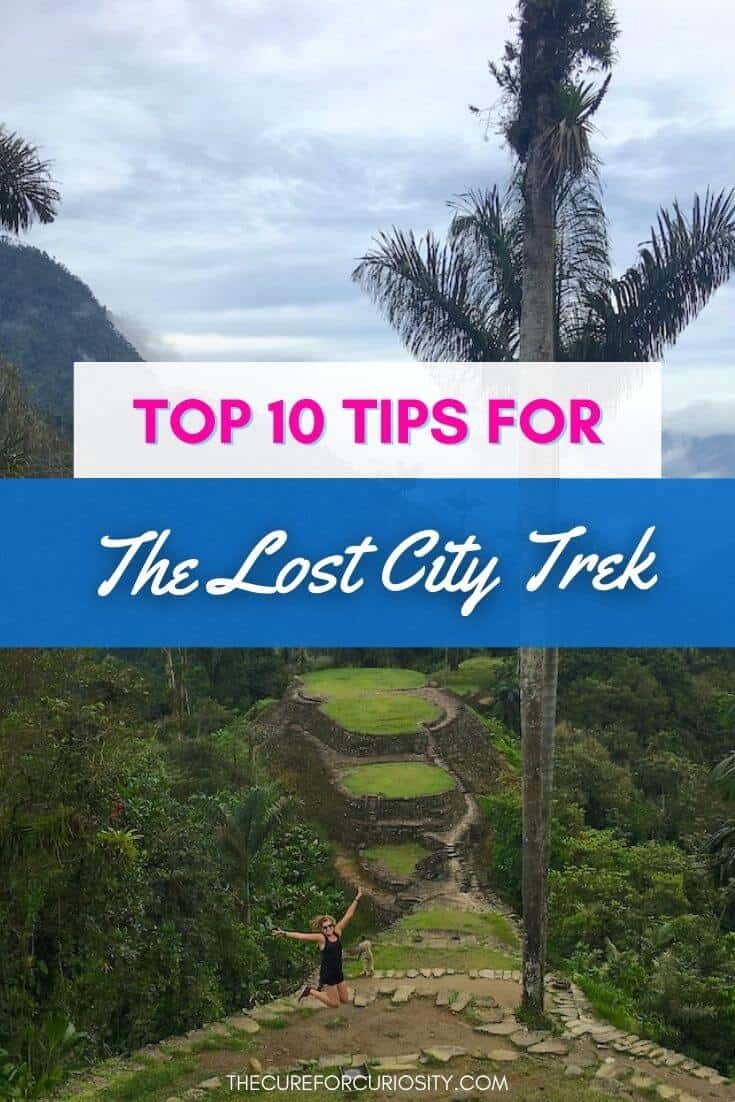
The trek to Colombia’s Lost City (Ciudad Perdida) is one of the most unforgettable jungle hikes you can take in South America. Built by the Tairona civilization around 800 CE, the city itself is breathtaking, but what makes it truly incredible is the multi-day trek you have to take to get there.
We’re talking 4 days of hiking through the dense, humid rainforest of the Sierra Nevada de Santa Marta. Along the way, you’ll encounter steep climbs, river crossings, muddy trails, and rustic camps alongside absolutely beautiful jungle scenery.
It’s not a hike for the unprepared, but with the right mindset and gear, you’ll come away with one of the most rewarding travel experiences of your life. Here are ten tips for the Lost City in Colombia trek.
Disclosure: Some of the links below may be affiliate links. At no additional cost to you, I may earn a small commission if you make a purchase.
1. Be Ready for the Climate
The climate on the Lost City trek is not for the faint of heart. Days are hot, humid, and sticky, with temperatures often reaching 86°F (30°C) and humidity levels over 80%. Even in the dry season (December–March), you’ll sweat through your clothes within minutes, and sudden downpours can drench you. Nothing dries quickly in the jungle, so don’t expect to keep fresh clothes day after day. Instead, embrace it.
The best approach is to bring lightweight, breathable, and quick-dry clothing. Synthetic fabrics or merino wool are much better than cotton, which soaks up sweat and stays wet. A lightweight rain jacket or poncho can also be worth packing, especially in the rainy season (April–November), but be forewarned it will increase your own body temperature forcing you to take it off at some point.
Sunscreen and sunglasses are also useful for open stretches of trail. Ultimately, the thing you need to prepare most is your mind. Mentally, accept you’ll be uncomfortable… heat, sweat, and dampness are just part of the trek.
2. Footwear is Everything
Your feet will make or break your trek. The terrain is a mix of steep, rocky climbs, muddy sections, and multiple river crossings. Sturdy, broken-in hiking shoes or boots with good grip are highly recommended, and if they’re waterproof, even better. I made the mistake of just taking gym shoes and when I tell you it was like a slip and slide… in mud, I’m not lying.
To be fair though, no shoe is truly waterproof in the jungle. Once you wade through rivers, your feet will get soaked, which brings me to my next point. For river crossings, pack a pair of water shoes or secure sandals (like Tevas or Chacos). Walking barefoot is too risky given the sharp rocks and slippery conditions.
At night in camp, it’s also a relief to have a pair of light sandals or flip-flops so you can let your feet breathe. Ideally, your river crossing sandals can double as your camp shoes to lighten your load. Additionally, dry socks are non-negotiable. Aim for one dry pair per day, stored in a waterproof bag so they stay that way. If your socks stay wet, you will get blisters.
As blisters are common, bring moleskin or blister patches as backup. Treat your feet well, and they’ll carry you to the end.


3. Pack Light, Pack Smart
Every ounce in your backpack will feel heavier after hours of uphill hiking in the humidity. That’s why the mantra for this trek is: less is more.
You’ll need just two hiking outfits (rotate daily), one clean outfit for evenings in camp (or use your hiking outfit for tomorrow), a swimsuit for river swims, and sandals for relaxing. Laundry isn’t an option, but you’ll quickly accept putting on the same sweaty clothes each morning. Remember… nothing will dry in the humid jungle.
Pack your essentials in dry bags or plastic bags to protect against rain and river crossings. Keep your toiletries minimal. We’re talking travel-sized soap, shampoo, deodorant, toothpaste, and a microfiber towel are plenty. Don’t bother with makeup, hair tools, or extra clothing. You’ll regret carrying them.
A headlamp, lightweight power bank, and reusable water bottle are more useful than luxury extras. There are no porters so you have to carry everything yourself, and what feels light on day one will feel like a burden by day three.
Get a day-by-day breakdown and more in the Ultimate Guide to Ciudad Perdida.
4. Sleep is Rustic
Accommodation on the Lost City trek is basic but functional. Camps are set up along the trail with rows of hammocks or simple bunk beds under mosquito nets. Don’t expect luxury. Think more thin mattresses, communal (but private) showers with only cold water, and shared toilets. Some camps offer a choice between hammock or bunk, but during busier times, you may not have a say.
To make the experience more comfortable, bring a sleeping bag liner or lightweight sheet. Nights can be cooler, and it’s also nice to sleep in your own layer rather than directly on camp bedding which is questionably clean.
Earplugs can also be a game changer if you’re a light sleeper. For one, the jungle comes alive at night, with frogs, insects, and roosters as your natural soundtrack. For another, you’re sleeping in close proximity to all of your hiking mates and their sleep talking, snoring, etc.
For extra comfort, consider a small inflatable pillow or stuff sack filled with clothes to lay your head on. It’s not glamorous, but after long hiking days, you’ll sleep soundly… or at least I did.


5. Bug Protection is Important
The Sierra Nevada jungle is home to plenty of insects, including mosquitos, sandflies, and no-see-ums. Mosquito bites aren’t just annoying. They can carry diseases, and they’re everywhere.
Yellow fever and dengue fever are present in the region, so make sure to get the yellow fever vaccine at least 10 days before traveling. While it is not a requirement to enter Colombia, it is a requirement to enter certain parts of the countries, like the Sierra Nevada de Santa Marta National Park (where the Lost City is) and Tayrona National Park. Be prepared for authorities to ask for proof.
Additionally, malaria is a low risk in this area so check with your doctor on their recommendations on if you need anti-malarial meds. Mine told me I should be fine without, but it’s worth checking with your doctor and any updated health advisories before your trip.
For prevention, use long, light-colored clothing, as darker shades attract mosquitos. Treat your clothes ahead of time with permethrin spray and pack an effective repellent containing DEET or picaridin. Apply it liberally, especially in the evenings when bugs are more active.
I actually tried 100% DEET as I am a mosquito magnet, and admittedly it did not keep me from getting bit, but it did melt the plastic on my phone case. Yikes. Future trips, I tried the permethrin spray, and it worked wonders!
Camps also provide mosquito nets over the beds, but you’ll still want protection for the trail. An anti-itch cream, such as hydrocortisone or After Bite, helps if you do get bitten, which I did. A lot. Think of bug protection as essential as your footwear. You really won’t regret over-preparing. I should have done more as I was eaten alive.
Check health requirements in Colombia direct on their website.
6. Food and Water Along the Way
Food is included in your trek, and while it’s not fancy, it’s edible and filling. Expect plenty of rice, beans, eggs, plantains, and chicken. These are the basic Colombian staples that keep your energy up. Vegetarian options are available with advance notice, though choices may be limited.
Don’t count on many snacks along the way. You may get some local fruit here and there. You’ll also pass some small local shops that sell treats or cold sodas near certain camps. Bring a few pesos in case you get hungry. Alternatively, you could pack a couple snacks, but you have to carry them!
Water is provided at each camp so take a reusable water bottle. In theory, it has been filtered and is safe to drink, but we definitely had some bad water along the way as many people got a little bit ill. That is definitely not how you want to trek, especially when you’re far from a bathroom.
If I can give you one Lost City tip that you might not find elsewhere, it’s to take either a Life Straw or Aquatabs to ensure your water is clean. Getting sick from bad water is the worst, and I’ve run into “clean drinking water” multiple times in Colombia that was not actually safe for my American stomach. The one time I was sick for about a week from bad water I had at Casa en el Agua. No fun.
Plan to drink at least 3 liters a day, especially given how much you’ll sweat. Electrolyte packets or Nuun tablets (my favorite) are an excellent addition to help replace what you lose through constant sweating. Staying hydrated is one of the most important keys to finishing strong.
7. Prepare for River Crossings
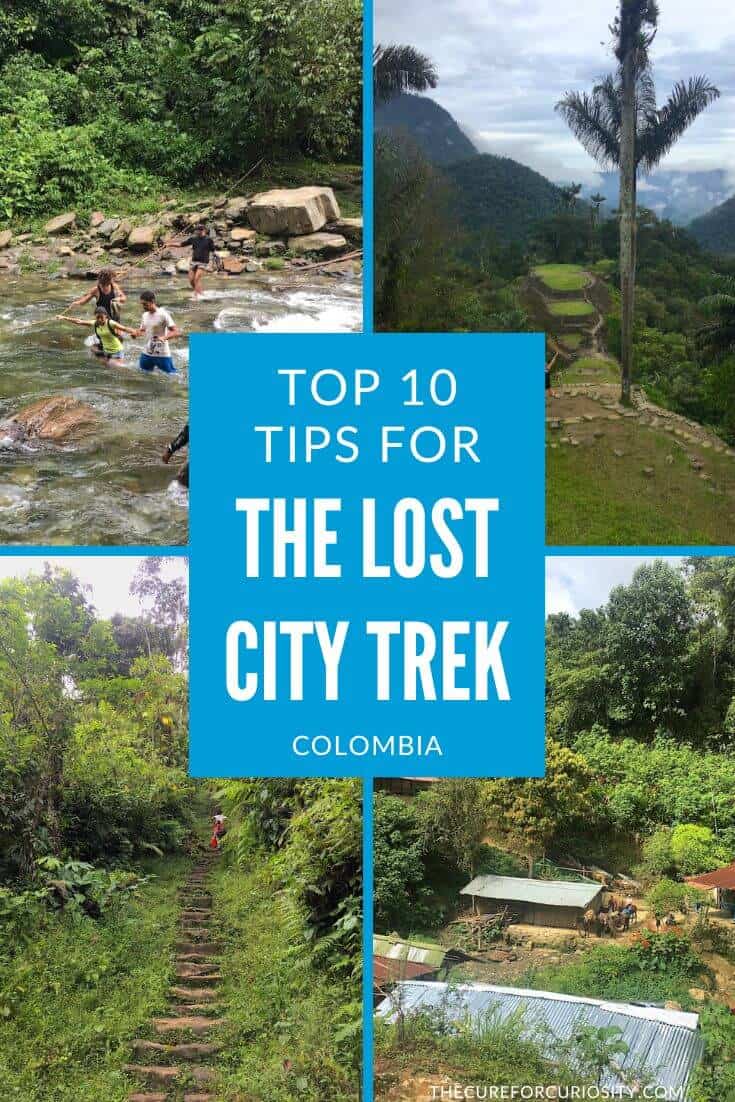
One of the most memorable parts of the trek is the series of river crossings you’ll need to make. Some are shallow streams, while others can be waist-deep depending on recent rainfall. Your guides will help, but it’s important to be prepared.
Keep your belongings dry by packing everything in waterproof bags inside your backpack. This can be a fancy dry bag or simply a giant trash bag. In a pinch, Ziplocks also work.
For your feet, water shoes or sturdy sandals that won’t slip off in currents are much better than going barefoot. There are plenty of sharp and slippery rocks. If you’re hiking in boots, expect them to get wet, don’t risk slipping just to keep them dry. The bad part about this is that they will not dry over the remainder of your hike due to the humidity.
Some of the deeper crossings have ropes to help you get across or even a pulley system if you want to carry people over the river. When in doubt, you can also pack trekking poles or grab a sturdy stick from the jungle to help you balance.


8. No Wi-Fi, No Service
The Lost City trek is one of the few remaining adventures where you’re truly off the grid. Trust me. I’ve looked (even the Mount Everest Region now has Wi-Fi). There’s no cell signal along the trail, and camps rarely have charging stations. Occasionally, you might be able to buy access to slow satellite Wi-Fi, but it’s expensive and unreliable. Instead of planning to stay connected, embrace the disconnection.
This is a chance to unplug and be fully present. Use the time to get to know your fellow hikers, journal, or simply take in the sounds of the rainforest. Bring a portable power bank to keep your phone or camera alive for photos, but otherwise, leave unnecessary gadgets behind. There is absolutely no need for a tablet or computer in the jungle but the risk of destroying it with water are high!
Remember that power outlets, when available, are limited and shared among dozens of hikers. A few days without notifications is part of what makes the journey special. I love a good reason to go off grid!
Did you know, you have to go with a guide to get to The Lost City in Colombia?
That’s right, you can not independently trek there. I ultimately went on this 4-day trek with Expotur, and I highly recommend it. It was well organized and enjoyable… despite the challenging conditions.
9. Train a Little Beforehand
The Lost City trek is considered moderate to challenging. While you don’t need to be an athlete, it helps to have some level of fitness. The trail covers 27 miles (44 kilometers) round trip over four (or more) days, with plenty of uphill climbs and descents. In total, you’ll face thousands of stairs and muddy sections that test your endurance.
Training beforehand makes a huge difference. Focus on cardio, leg strength, and endurance. Hiking uphill with a weighted pack, jogging, or using a stair machine can prepare you for the climbs. Don’t underestimate the humidity. It adds intensity that you can’t really prepare for… unless you have a sauna to work out in. Kidding. Kind of.
If you’re active already, you’ll be fine, but if you’re sedentary, invest in a few weeks of preparation to make the trek enjoyable rather than punishing. This is my thought on any big trekking holiday. It’s meant to be fun. Be sore at home as you work up to your vacation. Don’t let your big adventure turn into pain.
That said, the trek isn’t a race. Guides set a steady pace, and there are breaks along the way. As long as you come prepared mentally and physically, most reasonably healthy travelers can complete it.
Honestly, the longest day is still under 10 miles of trekking, which while the terrain can be tough, you have plenty of day light hours to make it. Don’t push yourself too hard just to go sit in camp at the end of the day. Enjoy the journey.
10. Respect the Land and Its People
And the final travel tip for La Ciudad Perdida is… Above all, remember that the Lost City isn’t Disney World. It wasn’t built as a tourist attraction but rather as a sacred site for the Indigenous Kogi, Wiwa, Arhuaco, and Kankuamo communities. For them, it is the “heart of the world,” and visiting it is a privilege.
Respect their traditions by following your guide’s instructions, refraining from taking photos where it isn’t permitted, and listening with an open mind to the cultural stories you’ll hear along the way. Leave no trace. Carry out your trash. Stay on the trail. Avoid disturbing the natural environment.
Connecting with the indigenous guides and hearing their perspectives is honestly one of the most memorable aspects of the Lost City trek, besides of course the beautiful ruins and terrible hiking conditions. Again… kidding… kind of.


Explore More of Colombia
The Lost City trek is sweaty, muddy, exhausting, and mosquito-filled, but it’s also one of the most rewarding adventures in Colombia. You’ll challenge yourself physically, unplug from nonstop technology, and get a look at an ancient site many will never set eyes on.
Hopefully these Lost City trekking tips will make your journey amazing. Report back!
Here’s some additional Colombia resources to help you get the most out of your trip to this amazing country!
- Top 10 Tips for the Lost City Trek in Colombia
- Ultimate Guide to Ciudad Perdida: Trekking to Colombia’s Lost City
- Visiting Casa en el Agua in Colombia: A One of a Kind Hostel Experience
Like this post? Pin it.