Utah National Parks: Get to Know the Mighty 5 in Utah
Learn all about the Mighty 5 National Parks in Utah, from what they are to what to do in each park, where to stay, how long you need to explore each, and more!
Visiting Utah’s “Mighty 5” National Parks is an incredible adventure. From the striking cliffs and canyons at Zion National Park to the otherworldly hoodoos in Bryce Canyon National Park, each park is a unique experience. know to
You can dive into the geological wonders of Capitol Reef National Park. Admire the iconic arches of Arches National Park. And lose yourself in the vast canyons of Canyonlands National Park.
Whether you’re a hiking enthusiast, a photography buff, or just seeking some peaceful time in the great outdoors, these parks offer something special. Utah’s Mighty 5 offer some of the best landscapes in the United States, and deserve a spot on your US bucket list!
So let’s dive into the Mighty 5 National Parks of Utah and what you need to know to visit each.
Disclosure: Some of the links below may be affiliate links. At no additional cost to you, I may earn a small commission if you make a purchase.
Introduction to the “Mighty 5” National Parks in Utah
Utah’s “Mighty 5” national parks offer some of the most amazing landscapes in the United States. If you’re looking for your next destination, they are a great contender. These five parks include some of the best known National Parks in the United States including:
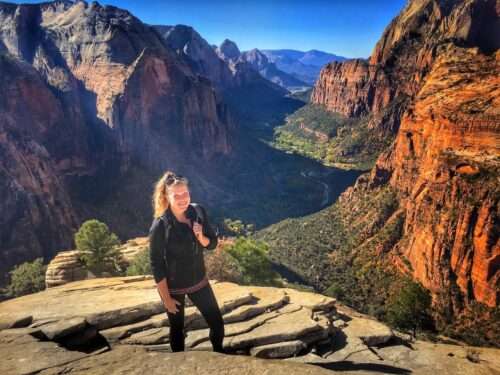
- Zion National Park: Located in the southwestern corner of Utah, Zion features towering red rock cliffs, breathtaking narrow canyons, and world-renowned hikes, such as Angels Landing.
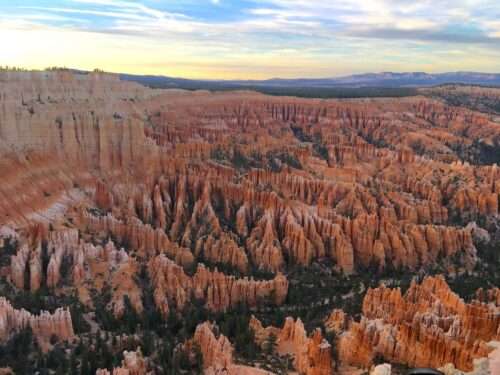
- Bryce Canyon National Park: Situated in the southern high plateau, Bryce Canyon is a mesmerizing display of otherworldly hoodoos and surreal landscapes, best seen during sunrise or sunset.
- Capitol Reef National Park: A hidden gem in south-central Utah, Capitol Reef showcases the stunning Waterpocket Fold, historic orchards, and intriguing petroglyphs.
- Arches National Park: Just outside Moab in eastern Utah, Arches is a living gallery of more than 2,000 natural stone arches, with iconic landmarks like Delicate Arch and the Windows Section.
- Canyonlands National Park: Found near Moab in southeastern Utah, Canyonlands is a vast wilderness with deep canyons carved by the Colorado and Green Rivers. It’s divided into four unique districts, each with its distinct character and charm.
How the Mighty 5 Got Their Name
While some might say the “Mighty 5” National Parks in Utah earned their nickname due to their incredible size and amazing landscapes, there’s another origin. In fact, the “Mighty 5” first originated from a popular marketing campaign in 2013 that dubbed them “The Mighty 5” as a way to increase Utah tourism.
And guess what? It worked! Tourism is off the charts for these amazing parks. Since then, the name has stuck as people refer to these five popular national parks as a unit – the Mighty Five.
Map of the 5 National Parks in Utah
As you can see below on the map of the Utah National Parks, you can easily travel from Zion to Bryce to Capitol Reef to Canyonlands to Arches National Park. They are all conveniently located in almost a straight line making a point to point road trip to the Mighty 5 an amazing adventure.
Check out the map on Google Maps!

We’ll take a deeper look at that later, but first, let’s learn about the five parks!
1. Zion National Park
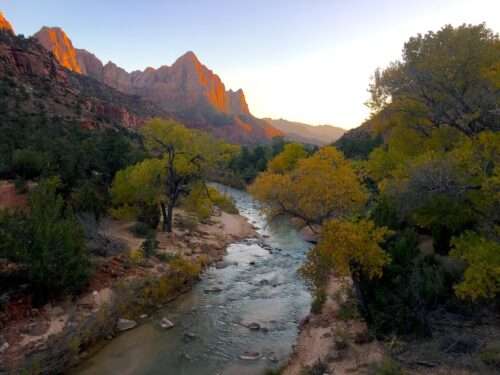
Zion National Park, located in the heart of southwestern Utah, is the most popular of the Mighty 5. It’s all about massive cliffs, winding canyons, and the Virgin River. Honestly, it’s hard to beat what it has to offer.
You can take on exciting hikes like Angels Landing, or just cool off in The Narrows with its steep red rock walls. It’s a real haven for nature lovers and outdoor adventurers.
Fast Facts about Zion National Park
- Location: Southwestern Utah
- Established: 1919 – Utah’s first National Park
- Area: ~148,000 acres
- Elevation: 3,666 feet at Coalpits Wash to 8,726 feet at Horse Ranch Mountain
- Most Iconic Feature: Zion Canyon
How Long to Spend at Zion National Park
A two to three-day visit is ideal for seeing the main attractions, like Zion Canyon, and hiking to iconic spots, such as Angels Landing and the Narrows. However, if you’re passionate about exploring deeper into the park’s trails and backcountry, consider staying four or five days.
Where to Stay for Zion National Park
Just outside of Zion National Park, you’ll find Springdale, Utah, a small but picturesque town. It offers a range of accommodation options to suit various budgets, including hotels, motels, bed and breakfasts, and campgrounds.
Staying in Springdale for Zion provides you with easy access to the park’s entrance and the free shuttle system that takes you into Zion Canyon.
If you want a more immersive experience, consider Zion Lodge – the main accommodation in Zion National Park. Located in Zion Canyon, the lodge offers comfortable rooms and cabins. It’s also a prime location for early morning and late evening hikes, as you’ll already be in the heart of the park.
Due to its popularity, reservations should be made well in advance.
Key Highlights of Zion National Park
- Angels Landing: A challenging hike leading to a thrilling viewpoint. (My absolute favorite!)
- The Narrows: Hike in the Virgin River through narrow slot canyons.
- Zion Canyon Scenic Drive: Accessible by shuttle, offering spectacular views.
- Emerald Pools: A series of tiered pools reached by a hike.
- Weeping Rock: A short hike to a natural alcove with “weeping” springs.
Best Hikes in Zion National Park
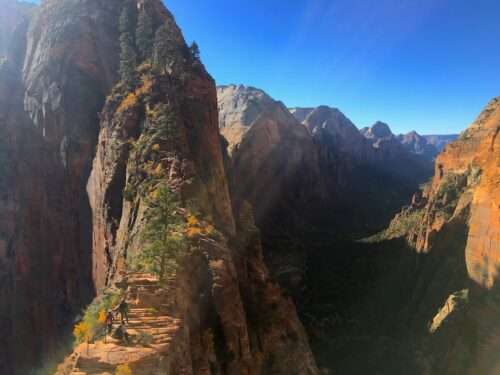
- Angels Landing: The hike to Angels Landing is famous for its exhilarating final stretch along a narrow ridge with steep drop-offs on both sides. It offers amazing panoramic views of Zion Canyon. (Difficulty: Strenuous; Length: 4.3 miles round trip; Elevation gain: 1,827 feet)
- The Narrows: Hiking in the Virgin River through the narrow slot canyons of The Narrows is a unique Zion experience. The trail follows the river, often with water up to your waist. (Difficulty: Moderate to Strenuous (varies with water level); Length: Variable; can be done as a shorter or longer hike of over 16 miles; Elevation gain: 2,076 feet if you do the whole trail)
- Emerald Pools: The hike leads to a series of tiered pools on the sandstone. The Upper and Lower Emerald Pools offer scenic spots for a cool break. (Difficulty: Easy to Moderate; Length: 3 miles round trip; Elevation gain: 620 feet)
- Observation Point: Observation Point provides spectacular views of Zion Canyon, with an elevation gain of over 2,100 feet. It’s a good alternative to Angels Landing if you prefer a less crowded trail. (Difficulty: Strenuous; Length: 9.3 miles round trip; Elevation gain: 2,162 feet)
- The Watchman: This trail offers a relatively easy and family-friendly hike with beautiful vistas of Zion Canyon, the Virgin River, and the iconic Watchman Peak. (Difficulty: Moderate; Length: 3.1 miles round trip; Elevation gain: 636 feet)
Visit the Zion National Park website.
2. Bryce Canyon National Park
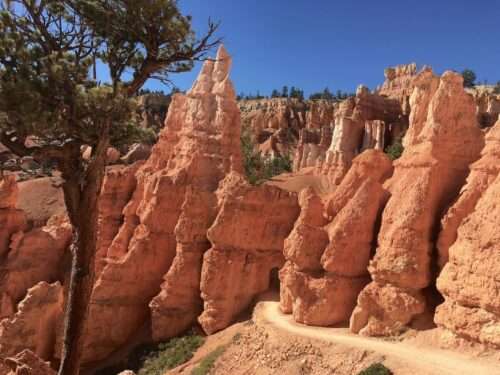
Bryce Canyon National Park is located on the high plateau of southern Utah and is a sight to see. It offerss unique hoodoos, those tall rock spires, create an otherworldly landscape that’s perfect for sunrises and sunsets. You’ll love wandering among these bizarre formations, and it’s a dream for photographers.
Fast Facts about Bryce Canyon National Park
- Location: Southern Utah
- Established: 1928
- Area: ~35,835 acres
- Elevation: 6,620 feet at Yellow Creek to 9,115 feet at Rainbow Point
- Most Iconic Feature: Hoodoos (rock spires)
How Long to Spend at Bryce Canyon National Park
A one-day visit allows you to see the main viewpoints, but spending two days or more is recommended if you want to explore the park’s hiking trails, catch a sunrise or sunset, and experience the hoodoos in different lighting.
Where to Stay for Bryce Canyon National Park
Just outside the park’s entrance, Bryce Canyon City offers a variety of lodging options. You’ll find hotels, motels, cabins, and campgrounds, catering to different preferences and budgets.
This convenient location allows you to access the park easily and participate in stargazing programs organized by the park.
For a truly unique experience, you can also consider staying at Bryce Canyon Lodge. Located within the park, the lodge offers historic architecture and a rustic atmosphere. It provides an authentic way to immerse yourself in the park’s stunning surroundings, particularly the hoodoos.
Due to its popularity, reservations are strongly recommended, especially if you want to witness the sunrise and sunset within the park.
Key Highlights of Bryce Canyon National Park
- Bryce Amphitheater: Home to the largest concentration of hoodoos.
- Thor’s Hammer: An iconic hoodoo near Sunset Point.
- Queen’s Garden Trail: A beautiful trail that descends into the canyon.
- Bryce Point and Inspiration Point: Scenic viewpoints along the rim.
- Stargazing: Bryce Canyon is a designated International Dark Sky Park.
Best Hiking Trails in Bryce National Park
- Queen’s Garden and Navajo Loop: This combination trail takes you down into the Bryce Amphitheater, passing by stunning hoodoos and rock formations, including the famous Queen Victoria rock. (Difficulty: Easy; Length: 3.1 miles round trip; Elevation gain: 649 feet)
- Peekaboo Loop: This loop hike takes you through the heart of Bryce Canyon and allows you to explore a variety of hoodoos, including the Wall of Windows and the Navajo Queen formation.(Difficulty: Moderate; Length: 5.2 miles round trip; Elevation gain: 1,528 feet)
- Fairyland Loop: Fairyland Loop offers more solitude and unique perspectives of Bryce Canyon. The trail is known for its towering hoodoos, some reaching heights of over 200 feet. (Difficulty: Moderate to Strenuous; Length: 7.9 miles round trip; 1,555 feet)
- Sunset Point to Sunrise Point: This short and easy walk along the rim of Bryce Amphitheater offers beautiful views of the hoodoos and Bryce Canyon’s iconic landscape. (Difficulty: Easy; Length: 1.1 mile round trip; Elevation gain: 82 feet)
- Mossy Cave Turret Arch and Little Window: Mossy Cave trail leads to a small cave with an ice-covered waterfall (seasonal) and nearby mossy overhangs, providing a cool escape on hot summer days. (Difficulty: Easy; Length: 0.9 miles round trip; Elevation gain: 121 feet)
Visit the Bryce National Park website.
3. Capitol Reef National Park
Capitol Reef National Park is a hidden gem in south-central Utah. Here you’ll see the Waterpocket Fold which has impressive layers of stone. You’ll also find hiking trails that will take you to natural bridges and ancient petroglyphs. There are even historic orchards where you can pick fruit.
Fast Facts about Capitol Reef National Park
- Location: South-central Utah
- Established: 1971
- Area: ~243,921 acres
- Elevation: 3,880 feet at Halls Creek drainage to 8,960 feet in Upper Deep Creek drainage
- Most Iconic Feature: Waterpocket Fold
How Long to Spend at Capitol Reef National Park
A one to two-day visit is usually enough to appreciate the scenic drive and see key attractions in Capitol Reef National Park. However, if you’re interested in hiking, birdwatching, and fully exploring the park’s natural beauty, consider staying for three days or longer.
Where to Stay in Capitol Reef National Park
The small town of Torrey is the gateway to Capitol Reef National Park. It offers various accommodation options, including hotels, motels, bed and breakfasts, vacation rentals, and campgrounds. Torrey is a perfect base for exploring Capitol Reef.
Key Highlights of Capitol Reef National Park
- Scenic Drive: A 25-mile paved road offering access to major viewpoints.
- Hickman Bridge Trail: A hike to an impressive natural bridge.
- Capitol Gorge: A historic trail with petroglyphs and pioneer inscriptions.
- Fruita Historic District: Orchard and picnic areas with fruit-picking in season.
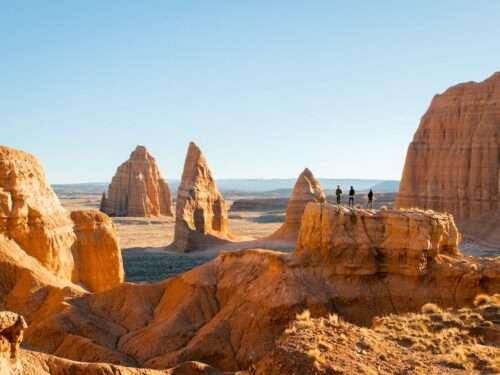
- Cathedral Valley: A remote area with stunning monoliths and ancient artifacts.
Best Hikes in Capitol Reef National Park
- Hickman Bridge: This trail takes you to Hickman Bridge, an impressive natural sandstone arch. The hike also offers views of the Waterpocket Fold and the surrounding landscape. (Difficulty: Moderate; Length: 1.7 miles round trip; Elevation gain: 416 feet)
- Grand Wash: Grand Wash trail leads through a narrow, towering canyon with unique geological features and colorful rock walls. (Difficulty: Easy to Moderate; Length: 4.7 miles round trip; Elevation gain: 341 feet)
- Chimney Rock Loop: This hike provides panoramic views of Capitol Reef’s iconic formations, including Chimney Rock and the Fremont River. (Difficulty: Moderate; Length: 3.3 miles round trip; Elevation gain: 793 feet)
- Cassidy Arch: Named after the infamous outlaw Butch Cassidy, this trail takes you to Cassidy Arch, with views of the Grand Wash. (Difficulty: Moderate; Length: 3.1 miles round trip; Elevation gain: 666 feet)
- Navajo Knobs: This challenging hike offers stunning, unobstructed vistas of the park’s vast landscapes and the surrounding canyons. (Difficulty: Strenuous; Length: 9.1 miles round trip; Elevation gain: 2,139 feet)
Visit the Capitol Reef National Park website.
4. Canyonlands National Park
Canyonlands National Park, near Moab in southeastern Utah, is best known for its deep canyons and rivers. Divided into four districts, there’s a lot to explore.
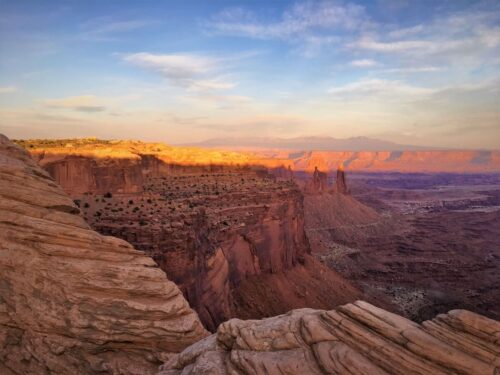
The Island in the Sky district offers expansive canyon views. The Needles has colorful spires and extensive hiking. The Maze is a remote adventure. The rivers are perfect for white-water fun. It’s a rugged and wild place that shows off the beauty of the American Southwest.
Get to know the 4 districts of Canyonlands National Park.
Fast Facts about Canyonlands National Park
- Location: Near Moab, southeastern Utah
- Established: 1964
- Area: ~337,570 acres
- Elevation: 3,700 feet at Big Drop Rapids in Cataract Canyon on the Colorado River to 7,120 feet at Cathedral Point in the Needles District
- Most Iconic Feature: Deep canyons carved by the Colorado River
How Long to Spend at Canyonlands National Park
For a basic visit to one district of Canyonlands National Parks, such as Island in the Sky or Needles, a one-day trip is sufficient. However, if you want to explore multiple districts, go on extended hikes, or engage in river activities, consider staying for two to four days, or more for a comprehensive experience.

Where to Stay for Canyonlands National Park
Staying in Moab is a practical option for exploring both Canyonlands and Arches National Park. You can choose from various accommodations in Moab to match your preferred travel style and budget.
Moab also serves as a convenient hub for accessing the various districts of Canyonlands, which are all within driving distance. Plus, you’ll have plenty of dining and recreational opportunities at your fingertips.
Key Highlights of Canyonlands National Park
- Island in the Sky: A mesa with stunning overlooks and the iconic Mesa Arch.
- The Needles: A district known for its colorful spires and excellent hiking.
- The Maze: A remote and rugged wilderness accessible by 4WD.
- Colorado and Green Rivers: Opportunities for river rafting and kayaking.
- Hiking Trails: Numerous trails for various skill levels and lengths.
Best Hikes in Canyonlands National Park
Island in the Sky District
- Mesa Arch: This is a short, accessible trail leading to the iconic Mesa Arch, with fantastic sunrise and canyon views. (Challenge: Easy; Length: 0.7 miles round trip; Elevation gain: 88 feet)
- Grand View Point: Offers sweeping panoramas of the Green River, White Rim, and canyons below. The trailhead is located at the Grand View Point Overlook. (Challenge: Easy; Length: 1.8 miles round trip; Elevation gain: 164 feet)
- Upheaval Dome: This hike takes you to two overlooks, providing views of the mysterious and unique Upheaval Dome. (Challenge: Moderate; Length: 1.3 miles round trip; Elevation gain: 226 feet)
The Needles District
- Chesler Park Loop: Consider trying this challenging but rewarding loop through stunning landscapes, including red rock spires and canyons. (Challenge: Strenuous; Length: 10.2 miles round trip; Elevation gain: 1,794 feet)
- Slickrock Foot: This loop offers great views of the Needles formations and allows hikers to explore slickrock terrain. (Challenge: Moderate; Length: 2.4 miles round trip; Elevation gain: 137 feet)
- Druid Arch: This is a longer hike in Canyonlands to an impressive natural arch surrounded by amazing rock formations. (Challenge: Moderate to Strenuous; Length: 9.7 miles round trip; Elevation gain: 1,446 feet)
The Maze District
The Maze District of Canyonlands is known for its remote and rugged backcountry trails. Due to the challenging terrain, hiking in this district often involves extended backpacking trips with route-finding skills. A permit is required, and visitors should be well-prepared.
Horseshoe Canyon
This is a detached section of the park, located near the Maze District. The most notable trail is the Horseshoe Canyon Trail. It features the Great Gallery, an epic panel of ancient pictographs. (Challenge: Moderate; Length: 7 miles round trip; Elevation gain: 1,387 feet)
Colorado and Green Rivers
River trips through the canyons of Canyonlands are one of the most popular ways to explore the park. These trips can range from single-day to multi-day adventures, depending on the desired experience. Both rivers offer spectacular views of the deep canyons.
Visit the Canyonlands National Park website.
5. Arches National Park
Arches National Park, near Moab in eastern Utah, is one of my personal favorites when it comes to National Parks in the United States. With over 2,000 natural stone arches, it’s like a giant sculpture garden where there’s always something new to explore.
You have to see Delicate Arch at sunrise or sunset, and the Windows Section has a bunch of big arches all close together. If you love photography or just exploring unique rock formations, you’re in for a real treat.
Fast Facts about Arches National Park
- Location: Near Moab, eastern Utah
- Established: As a National Monument – 1929; As a National Park – 1971
- Area: ~76,519 acres
- Elevation: 4,085 feet at the Visitor Center to 5,653 feet at Elephant Butte
- Most Iconic Feature: Natural arches
How Long to Spend at Arches National Park
You can see the main attractions of Arches National Park and some of the famous arches in a day, but two to three days allow for a more relaxed trip and a chance to explore some lesser-known arches and rock formations.

Where to Stay in Arches National Park
Moab is a lively and adventure-oriented town that sits close to both Arches and Canyonlands National Parks. You’ll find a wide range of lodging options in Moab, from hotels and motels to vacation rentals and campgrounds.
Moab is the perfect choice for dining, shopping, and accessing both parks. It’s also the go-to place for arranging adventure activities like off-roading, river rafting, and mountain biking.
Key Highlights of Arches National Park
- Delicate Arch: The park’s iconic symbol, best seen at sunrise or sunset.
- Landscape Arch: A stunning natural arch with a thin span.
- Double Arch: Two massive arches that are easily accessible.
- Fiery Furnace: A maze-like area for guided hikes (requires a permit).
- Windows Section: Several arches grouped in one area.
Best Hikes in Arches National Park
- Delicate Arch: This popular trail leads to the park’s iconic Delicate Arch, which is particularly stunning at sunrise or sunset. (Difficulty: Moderate; Length: 3.2 miles round trip; Elevation gain: 629 feet)
- Devil’s Garden: Devil’s Garden offers a variety of arches, including Landscape Arch and Double O Arch, in a remote setting. (Difficulty: Moderate to Strenuous; Length: Variable, with shorter or longer options; Elevation gain: 1,085 if you do the whole trail)
- The Windows Loop: This easy hike takes you to North Window and South Window arches, offering excellent photo opportunities. (Difficulty: Easy; Length: 0.7 mile round trip; Elevation gain: 98 feet)
- Fiery Furnace: The Fiery Furnace is a maze-like area where you need a permit or a guided tour to lead you through narrow slots, fins, and unique rock formations. (Difficulty: Moderate; Length: 2.1 miles; Elevation: 492 feet)
- Landscape Arch: This hike leads to Landscape Arch, one of the world’s longest natural stone arches, with delicate features and stunning beauty. (Difficulty: Easy; Length: 1.9 miles round trip; Elevation gain: 252 feet)
Visit the Arches National Park website.

How to Visit All 5 Utah National Parks
The Mighty 5 National Parks in Utah are located relatively close to one another, making it possible to visit all of them with an amazing Utah road trip. Here are the approximate driving distances and times between the parks to help you plan your itinerary.
From Zion National Park to Bryce Canyon National Park
- Distance: ~72 miles (116 kilometers)
- Driving Time: ~1.5 to 2 hours
From Bryce Canyon National Park to Capitol Reef National Park
- Distance: ~115 miles (185 kilometers)
- Driving Time: ~2.5 to 3 hours
From Capitol Reef National Park to Canyonlands National Park
- Distance: ~140 miles (225 kilometers) to Canyonlands National Park
- Driving Time: ~2.5 to 3 hours to Canyonlands National Park
From Canyonlands National Park to Arches National Park
- Distance: ~30 miles (48 kilometers)
- Driving Time: ~45 minutes to 1 hour
How long do you need for a Mighty 5 road trip in Utah?
Well, the duration of a road trip through the Mighty 5 National Parks in Utah will vary depending on the amount of time you want to spend exploring each park. For a typical Mighty 5 road trip, plan to take 7 to 10 days.
Note that you can easily spend 2 weeks or more exploring these amazing parks and their surrounding areas – particularly if you like hiking!
Here’s a rough breakdown of time in each park based on a 7 – 10 day road trip to the Mighty Five:
- Zion National Park: 2-3 days
- Bryce Canyon National Park: 1-2 days
- Capitol Reef National Park: 1-2 days
- Canyonlands National Park: 1-2 days
- Arches National Park: 1-2 days
This allows you to see the highlights of each park, including hiking, sightseeing, and taking in the unique features and landscapes.
Explore More of Utah
Visiting the Mighty 5 National Parks in Utah is a bucket list worthy-trip. You’ll encounter some of the best landscapes in the United States all within one state!
Want more resources to explore the Utah National Parks? Check out these helpful resources.
- Where to Stay in Moab, Utah: Complete Guide to the Best Hotels in Moab
- 6 Best Things to Do in Moab, Utah + a Bonus Moab Itinerary!
- The Best Time to Visit Moab, Utah: A Season by Season Breakdown
- The Ultimate Guide to Hell’s Revenge in Moab, Utah
- 7 Best Hell’s Revenge Tours: Choose Your Own Adventure
- How to Visit Canyonlands National Park: Essential Guide to All 4 Districts
- Epic Denver to Moab Road Trip with 12+ Amazing Stops!
- The Ultimate Moab to Denver Road Trip – and everything in between!
Like this post? Pin it.