What to Pack for a Day Hike: The Essential Hiking Packing List
If you’re wondering “What should I pack for a day hike?”, you’ve come to the right place. As an avid hiker, I’ve pulled together all the most important hiking gear into one convenient place to keep you safe, comfortable, and out there fueling your curiosity! Whether you’re a professional hiker or looking for a hiking starter pack – you’re in luck!
Let’s take a look at the best items to pack for a day hike.
Disclosure: Some of the links below may be affiliate links. At no additional cost to you, I may earn a small commission if you make a purchase.
What to Bring on a Hike
Your needed hiking gear will depend on your trip plans. You’ll want to take into consideration the weather, duration, difficulty, and distance of your hike to determine what to pack.
If you’re going for a walk in the park, you will not need all of the items on this hiking checklist. However, if you’re headed off the beaten path or into the backcountry for the day, make sure to pack all of the essential hiking equipment. They’ll keep you prepared for even the unexpected!
1. Hiking Daypack
One of the most important pieces of day hiking gear is a daypack. This valuable backpack needs to fit everything you’re going to carry during your hike. Typically, this means you’ll want to select a bag that is around 10 – 20L.
As an Osprey fan, my favorite daypack is the Osprey Daylite Daypack. At 13L, it holds everything I need and is comfortable to wear all day.
2. Water & Food for Day Hikes
To keep your energy levels up throughout your day hike, you’ll want to take plenty of food and water. For extra security, take more water and food than you expect to need. It’s one of the best safety nets you can take with you on a day hike. This way, even the trail is more strenuous than expected or you end up lost overnight, you will be okay.
Water
Carry at least 2 liters of water with you at all times. On some trails you will pass waterfalls or streams where you can refill your bottle, but do not depend upon this. Always carry more than you think you will need for a day hike.
Water treatments
On some trails, you’ll be able to refill your water bottle. This doesn’t always mean the water is safe to drink. To avoid unwanted waterborne illnesses, take a Lifestraw or Iodine pills to clean the water. There are tons of brands to choose from, but Potable Aqua has always worked for me!
Lunch
If you’re looking at particularly long day hikes, you’ll want to pack something for lunch. Of course, the best food to pack for a day hike depends on how strenuous your hike is and what your typical food intake looks like. Just keep it simple, like a sandwich and an apple, and make sure it can go unrefrigerated for long enough to carry it with you.
Snacks
No matter how long you’re planning to hike for, take some snacks with you. It’s incredible how many calories you can burn on some trails! The best hiking snacks are anything that are nutritional and densely caloric. I recommend protein bars, nuts, and dried fruit for easy grab-and-go snacks.
3. Navigation Tools
One of the most important parts of hiking is not getting lost – particularly off the beaten path. Of course, this requires you to have navigation tools. Depending on where you’re hiking and your outdoor capabilities, the needed tools may vary.
Map
One of the most basic hiking essentials is a good old fashioned paper map of your hiking area. It tends to have the best information of the area you’re in and informs you about what you need to know in the area.
Compass
A more advanced piece of hiking supplies is a compass. If you opt to carry a compass, make sure you know how to use it properly before setting off!
Phone with downloaded maps
Another fantastic option is to use maps on your phone. Electronic maps are great in that you can tell estimated time and distances to get to your destination. However, it is possible you will lose cell service during your hike.
Because of that, I’m a big fan of downloading maps from the app: Maps.me. Although in recent years, you now need to pay after a certain amount of maps. As such, try the app Organic Maps. This way you can use your map even without service!
External battery pack
Don’t let your phone die on the trail! Pack an external battery pack to stay charged on the go.
4. Safety Gear for Hiking
Heading out into the wilderness does come with some risks on every hike. Gear up appropriately, including basic emergency items, to stay safe and comfortable on the trails. Typically, you will not need to use any of these items for day hikes, but it’s worth the ounce of prevention in case something goes wrong!
First-aid kit
Pack a compact first-aid kit to handle any unexpected moments. This simple kit includes a CPR Mask, Bandaids, Blanket, Tourniquet, and more – perfect if you’re in a bind!
Knife or multi-tool knife
Another hiking necessity is a knife or multi-tool knife. While a hiking knife will come in handy for some things, a multi-tool can keep you prepared for anything. These typically include a knife, wire cutters, screw driver, can opener, pliers, and more!
Bear spray
If you’re going into bear country, make sure to pack bear spray. It could be a life saver if you come face-to-face with a grizzly bear (or even questionable characters on the trail).
Headlamp
Packing a headlamp for day hikes may seem excessive, but it can get dark faster than you expect or worse, you could get stuck and end up having to fair through the night. A headlamp will keep you safe and sane while navigating the dark night. Remember, it gets dark in the woods faster than elsewhere!
Additionally, before you head out on a day hike, make sure to tell someone where you are going, and when they should expect you to be back. This little safety trick can help your loved ones know if something goes wrong, even if you don’t have cell reception.
5. Personal Hiking Necessities
The last day hike essentials roll up to personal comfort items. These will keep you protected from the elements and help you enjoy the trails so you will want to go out hiking again and again!.
Sun protection
Depending on the hiking terrain and trail coverage, you may need to plan for long hours of sun exposure. To keep yourself protected, pack sunscreen, sunglasses, a sun hat, and an SPF lip balm.
Trekking poles
If you have bad knees, you may want to take trekking poles. They will protect your joints from any elevation changes, as well as giving you better grip throughout your hike. Trust me – your knees will thank you. I learned this the hard way at Mount Everest Base Camp!
Identification, cash, & credit card
Take basic identification with you on any hike – just in case.
Camera
Wherever you’re going for a day hike, you’ll want to commemorate the day with a picture or two. Fortunately, most phones now have great cameras in them. However, if you’re big into photography, you may want to pack a lightweight camera. For hiking friendly cameras, I recommend going mirrorless with the Panasonic Lumix DMC-GX85 or the Sony Alpha a6400.
Hygiene
Just in case you need to stop for a bathroom break – pack some toilet paper and hand sanitizer in your hiking daypack.
Insect repellent
Going into the woods for your day hike? Protect yourself with mosquito repellant.
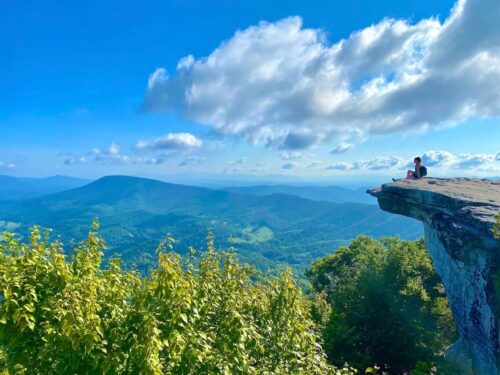
Check out the best things to do in Shenandoah National Park in Virginia.
What to Wear When Hiking
Another critical thing to consider whenever you set out on a day hike, is what to wear. This will depend based on the season, weather, and your destination. My number one recommendation is to always dress in layers to be prepared for anything. Also, make sure to check the weather ahead of time to know if you need rain gear!
1. Hiking Boots & Socks
Having dry, blister-free feet is critical for a fun day hike. This makes proper footwear one of the important items on a hiking packing list. After all, you’ll be doing miles upon miles on foot! This comes down to two very important items – your boots and your socks!
Sturdy hiking boots
Selecting the correct hiking boots depends on the terrain, weather, and distance. I personally love my Salomon X Ultra 3 Mid GTX Hiking Boots for long distance hikes as they are comfortable, have awesome tread to keep me from slipping, and are fully waterproof.
Hiking socks
To keep your feet in tip-top shape, opt for synthetic or wool socks. Personally, smartwool socks have always treated me well as they keep my feet dry and frictionless.
2. Weather-appropriate Hiking Clothing
When going for a day hike, you’ll want to take special care to dress appropriately. It can make the difference between a fun day hiking vs. a miserable one spent cold and soaking wet which could potentially become life-threatening.
Opt for moisture-wicking materials and always dress in layers so you can adjust your temperature on a whim. This will keep you prepared for anything, especially if you’re changing altitude during your hikes where the temperature can change rapidly.
Jacket
The temperature can change anytime, be prepared! Take a light weight jacket that can keep you really warm. I personally am a big fan of my Columbia Women’s Mighty Lite III Jacket, but it’s old and the closest newer version is the Columbia Women’s Mighty Lite Jacket. It’s easily packable but has an omni-heat layer to reflect your body’s heat back to you, keeping you extra warm.
Layers
Wear layers to help you adjust to the weather based on your altitude and time of day. This could include hat and gloves if you’re hiking in the winter or up to high elevations. I also always like to pack a fleece jacket when heading into higher altitudes.
Rain gear
Fully weatherproof yourself with a rain jacket and waterproof pants. For women, the Columbia Arcadia Ii Jacket and Columbia Storm Surge Waterproof Rain Pant are amazing and affordable. For men, check out the Columbia Watertight II Jacket and Columbia Rebel Roamer Pant.
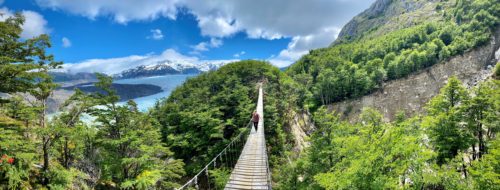
Learn all about hiking the W Trek in Torres del Paine National Park, Chile.
What to Pack in Your Car for Day Hiking
One of the big benefits of day hikes is that you are likely driving to the hiking trail. This means you have extra space in your car to pack additional hiking essentials! This is particularly true if you are hiking through National Parks which can mean long days of hiking and driving.
Here are some additional things to pack for day hikes.
1. Extra Water
Days can be long, hiking can be tiring, or worse case, what if you get stuck somewhere? Pack extra water. You can either throw in a case of water or use refillable water bottles, like Nalgene bottles.
2. Electrolytes
I blame my previous triathlete days for worrying about electrolytes, but I always keep some Nuun tablets handy to help replenish all of the things that I sweat out during my hikes. It’s great to stir it into a bottle of water for my drive “home”.
3. Food
I recommend stashing some protein bars in your car, along with peanut butter, jelly, and bread, and maybe some apples. It works really well in a pinch, especially when you get back to the car wiped from hiking. Just make yourself a sandwich and have something to drink before carrying on. It will boost your energy levels substantially!
4. Protein powder and shaker
Perhaps one of the weirder things to keep in your car, but protein power makes a great option for a quick pick-me-up after a long hike. Mix it with some water in a blender bottle, and you’re ready to hit the road again! It can also help your body recover faster from your hike!
5. A small cooler, napkins, and utensils (1 fork, knife, and spoon)
Be ready for anything with a cooler prepped in the car. I also always keep a set of utensils around for easy snacking. This means you can stop at a grocery to pick up any additional snacks you need!
Check out these 80+ awesome car snacks!
Top Day Hiking Destinations in the United States
Knowing how to pack for a day hike is just the beginning of planning your adventures on the trail. Fortunately, when using this checklist, hiking equipment will become simple and second nature, letting you hit the trails again and again!
Another critical part of hiking is determining where to hike. Maybe you have places local to you, or maybe you like to travel and hike. Whatever the case, here are some of my favorite hiking destinations in the United States to get your wheels turning!
- Denver and Rocky Mountain National Park in Colorado
- Glacier National Park in Montana
- Shenandoah National Park in Virginia
- Canyonlands National Park outside Moab, Utah
Like this post? Pin it.