

The Ultimate Guide to the Sea Organ in Zadar, Croatia
Find out all about the Zadar Sea Organ, and then add it to your list of “must-visits” in Croatia!
Did you know there’s a Sea Organ in Croatia? This architectural wonder is located along the coast of Zadar and transforms the power of the Adriatic Sea into a musical symphony.
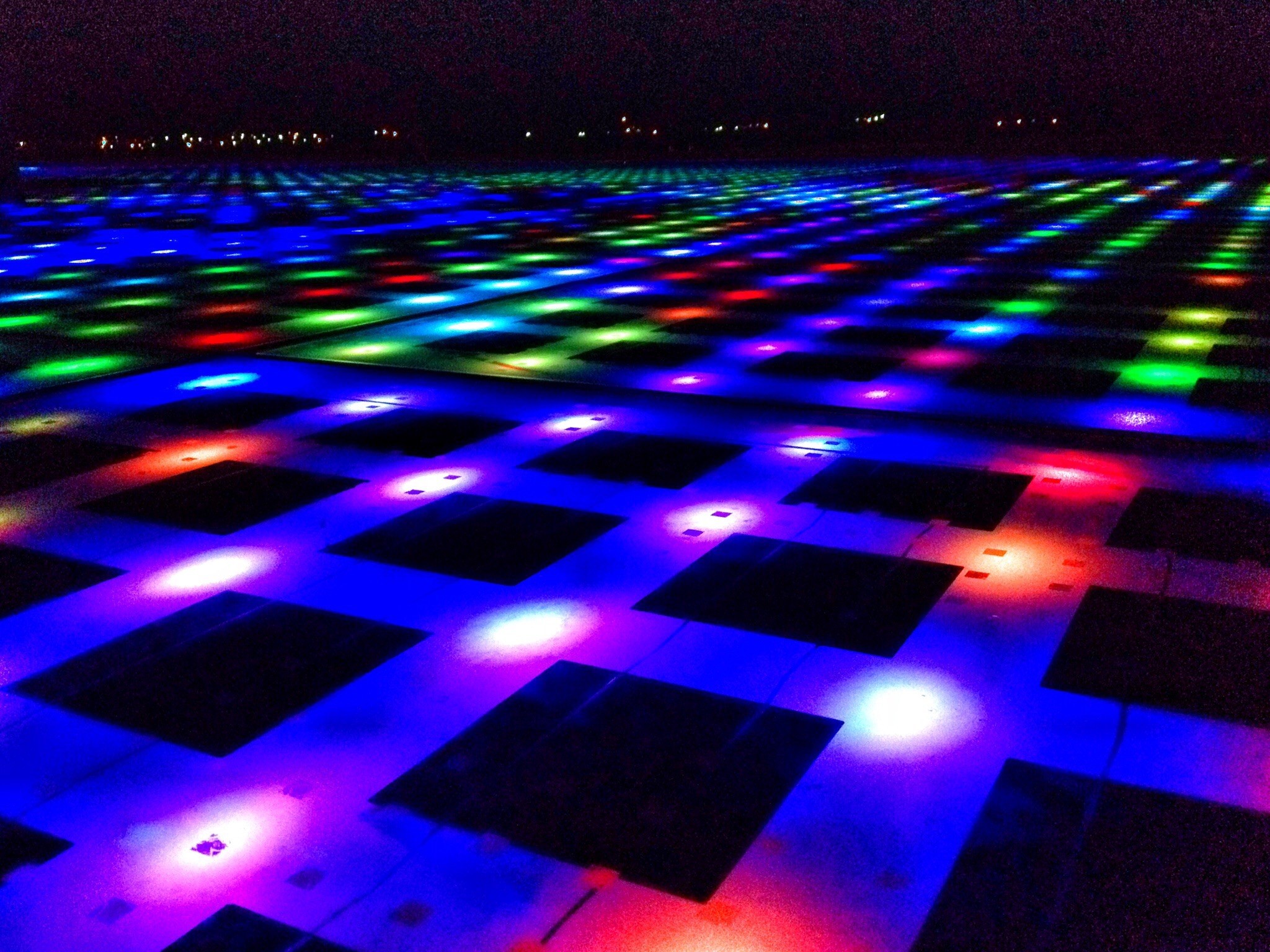
If you’re headed to Zadar, Croatia, you’ll have to plan out time to visit it. Not only does it play music 24 hours per day, along with the movement of the water, but it also is accompanied by a dynamic light installation called “Greeting to the Sun” at night, making it the perfect destination day and night!
Join me as I walk you through all of the details about the Zadar Sea Organ, from what it is, the history of it, how it works, and even how best to experience it. Let’s take a look!
Disclosure: Some of the links below may be affiliate links. At no additional cost to you, I may earn a small commission if you make a purchase.
What is the Sea Organ in Zadar?
Picture this: you’re standing at the edge of the Adriatic Sea, waves gently caressing the shore, and suddenly, a mysterious melody begins to play. But there’s no orchestra in sight and no musicians hidden among the rocks. Instead, the music seems to rise from the very depths of the sea. Welcome to the Sea Organ of Zadar, Croatia!
This architectural marvel is not your typical musical instrument. It’s a fusion of engineering and art, a place where human creativity dances with the forces of nature. The brainchild of architect Nikola Bašić, the Sea Organ was envisioned as a gift to the city and its people as a way to celebrate Zadar’s maritime heritage and create a harmonious meeting point between land and sea.
Today, you can sit along the steps of the Sea Organ and listen to its sounds as the sea laps up against it. It’s one of the best things to do in Zadar, so definitely don’t miss it!
The History of the Sea Organ in Croatia
The Sea Organ in Zadar was installed and opened to the public on April 15, 2005, but its origins date back to the aftermath of World War II when the town of Zadar faced significant destruction from Allied bombings. The city’s post-war reconstruction efforts led to the creation of a concrete coastline as part of an urban revitalization project.
Fast forward to the early 2000s when architect Nikola Bašić, renowned for his visionary designs, took on the challenge of further enhancing the city’s waterfront. He had to work on renovating an uninviting pier that accommodates large cruise ships, but he had an audacious idea. He would create an artistic installation that would utilize the sea’s natural movements to produce music.
With this vision in mind, Bašić designed the Sea Organ, embedding it beneath the concrete steps of the pier. The installation consists of a series of polyethylene tubes and resonating chambers hidden beneath the surface. As the waves hit the pier, air is pushed into the tubes, creating a harmonious melody that emanates from the ground itself.
The Sea Organ’s completion marked a triumphant moment in Zadar’s history, and it quickly became one of Croatia’s top attractions.
How does the Sea Organ in Zadar Work?
Approaching the Sea Organ, you’re greeted by a series of wide marble steps that descend into the sea. But these steps are no ordinary steps. They conceal a hidden symphony. Beneath the surface, 35 polyethylene tubes of various lengths and diameters lie in wait. These tubes, designed to resemble simple steps from above, are actually ingeniously connected to a network of resonating chambers below.
The beauty of the Sea Organ lies in its simplicity. No electricity, no digital trickery – just the raw and organic power of the sea. As the waves lap against the steps, they push air into the chambers, creating pressure that forces the air to escape through the organ pipes. The result? Nature’s own composition, an ever-changing melody that ebbs and flows with the tides.
What does the Sea Organ in Zadar sound like?
As you sit on the steps and let the music wash over you, you’ll find yourself entranced by the Sea Organ’s music. The tones are hauntingly beautiful, ranging from deep, resonant notes to gentle, ethereal whispers. It’s as if the sea is speaking to you.
As day turns to dusk and the sun begins its descent, the Sea Organ takes on an even more magical quality. The evening light paints the sky with hues of gold and pink, and the melody of the sea becomes an accompaniment to the breathtaking sunset.

When to Visit the Sea Organ
If there’s one time you absolutely must visit the Sea Organ, it’s during sunset. As the day draws to a close, locals and tourists alike gather along the waterfront, drawn by the allure of Zadar’s renowned sunsets. And as the sun dips below the horizon, the Sea Organ plays its melodies, creating an unparalleled audiovisual experience.
The combination of the mesmerizing sea music and the breathtaking sunset creates an atmosphere that will live on in your memory. It’s as if the universe itself has orchestrated a grand finale to celebrate the day’s end. As you bask in the beauty of the moment, you can’t help but feel a sense of gratitude for being able to witness such a beautiful natural event.
Why is there a Sea Organ in Zadar, Croatia?
The Sea Organ is more than just an architectural marvel, it’s a symbol of Zadar’s connection to the sea and its appreciation for the environment. The project was part of the city’s revitalization efforts to transform the waterfront into a place that celebrates both its history and its future.
In addition to its musical and artistic merits, the Sea Organ also serves a practical purpose. It acts as a breakwater, protecting the coastline from strong waves and preserving the surrounding area. It’s a testament to the harmony that can be achieved when humans work hand in hand with nature.
How many Sea Organs are there in the world?
Sea organs are acoustic structures that use the movements of seawater to produce music. There are currently only two such organs in the world: The Wave Organ in San Francisco and the Sea Organ in Zadar, Croatia.
The Wave Organ in San Francisco was created in 1986 and consists of 25 polyvinyl chloride and concrete pipes set vertically into the ocean. As the tide ebbs and flows, water sloshes in and out of the tubes, creating melodic sounds. The length and diameter of each pipe determine the range of pitches. It is most active at high tide.
Meanwhile, the Sea Organ in Zadar, Croatia was built in the early 2000s and is situated underneath a concrete coastline. As the sea meets the pipes, visitors walking on the pier can listen to undulating harmonies. The Sea Organ won the European Prize for Urban Public Space in 2006 and is a top Croatian landmark.
You might also be interested to know that there used to be one in Blackpool England called The High Tide Organ. It was the most conspicuous of the three sea organs as it resembled the neck of a guitar standing 15 meters tall. It consisted of 18 pipes connected to buried pipes that extended through a sea wall to the water. Unfortunately, it was closed in 2022 due to being in dire need of repair.
In addition to sea organs around the world, there is the Great Stalacpipe Organ in Luray Caverns, Virginia, near Shenandoah National Park. It is played by a human using a piano-like keyboard to strike stalactites and produce tones similar to a xylophone or bells. It is considered the world’s largest musical instrument due to its extensive stalactite span.
What is the Greeting to the Sun?
Having covered the Zadar Sea Organ in great detail, you need to know about the next best thing in Zadar, which sits right next to the Sea Organ: The Greeting to the Sun, also known as “Pozdrav Suncu” in Croatian.
This stunning modern art installation is located on the waterfront of Zadar, Croatia andcwas designed by the same architect as the Sea Organ, Nikola Bašić. This makes the two installations a perfect pair to experience in Zadar.
So what is the Greeting to the Sun? Imagine a large circular solar-powered light installation, embedded into the pavement of the waterfront promenade in Zadar. The Greeting to the Sun consists of three hundred multi-layered glass plates arranged in a 22-meter diameter circle, positioned flush with the ground. Beneath these glass plates lie solar panels that harness the power of the sun during the day.
As the sun sets over the Adriatic Sea, the magic begins. The solar panels which have collected energy throughout the day, come alive at night, illuminating the circular pattern with colorful light. The light patterns are programmed to create a mesmerizing visual spectacle that changes in sync with the rhythm of the Sea Organ and the surrounding environment.
This futuristic art installation celebrates the natural wonders of Zadar, combining cutting-edge technology with the power of nature. The Greeting to the Sun is a symbolic homage to the sun, an essential element in Croatia’s coastal lifestyle. Located next to the Sea Organ and timed to its rhythms, the Greeting to the Sun in Zadar complements the musical melodies perfectly.
Continue Exploring Croatia
As you bid farewell to the Sea Organ in Zadar and its haunting melodies, you will carry the experience with you. Sit on those marble steps. Close your eyes. Listen to the melody of the Adriatic Sea and let the waves carry you away. It’s a truly incredible natural wonder and one of the most popular things to see in Croatia.
Don’t stop exploring Croatia now… there’s a lot more to see! Here are some posts to get you going.





Good article! We’re on a bus on our way to Zadar now (from Dubrovnik)! We’ll also be visiting Plitvice so we’re going to read those articles next! As always, we enjoy your helpful tips and advice!
Loved Plitvice! So beautiful and unique. I hope you enjoyed it!