Khama Rhino Sanctuary: Botswana’s Most Underrated Safari Stop
When most people think of Botswana, they picture the Okavango Delta or Chobe National Park. And fair enough, both are spectacular. But in the middle of the country, roughly halfway between the South African border and Maun, is a quiet community-run wildlife sanctuary that absolutely deserves a spot on your itinerary: Khama Rhino Sanctuary.
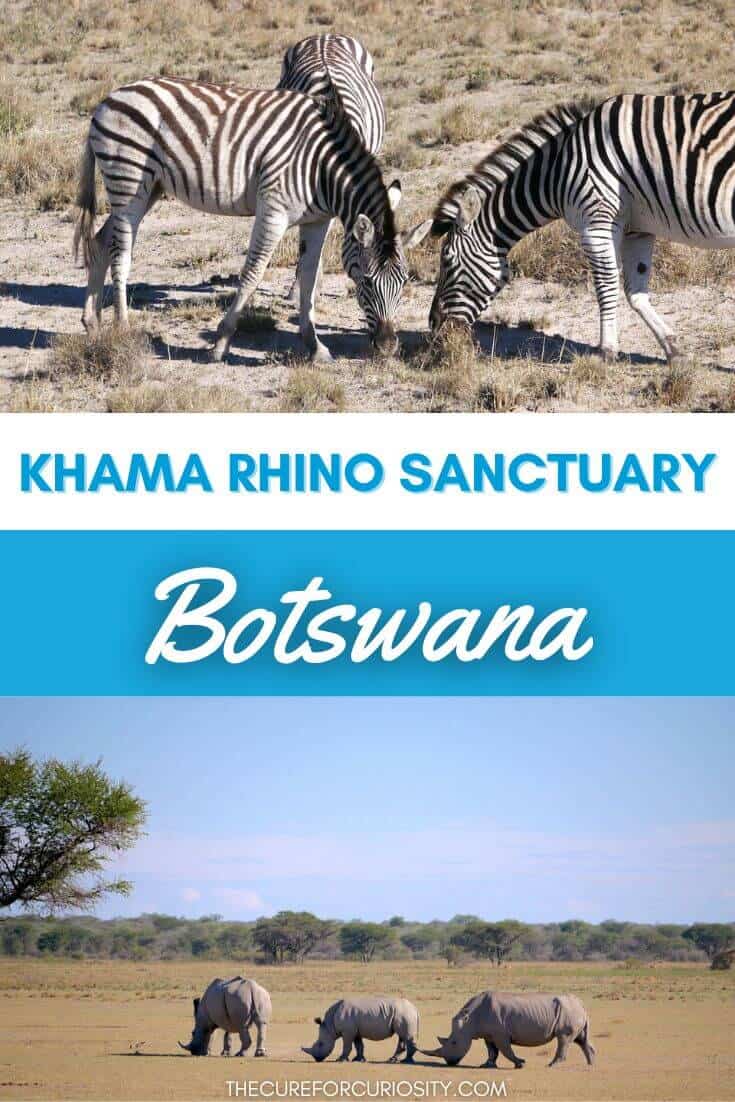
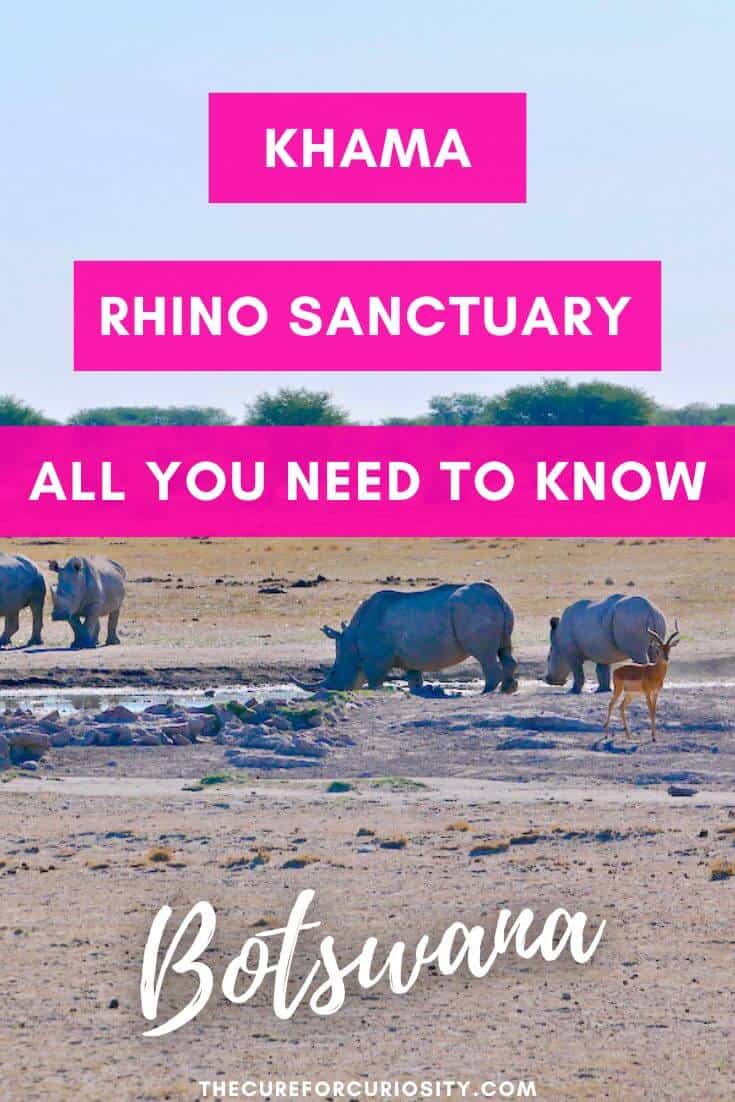
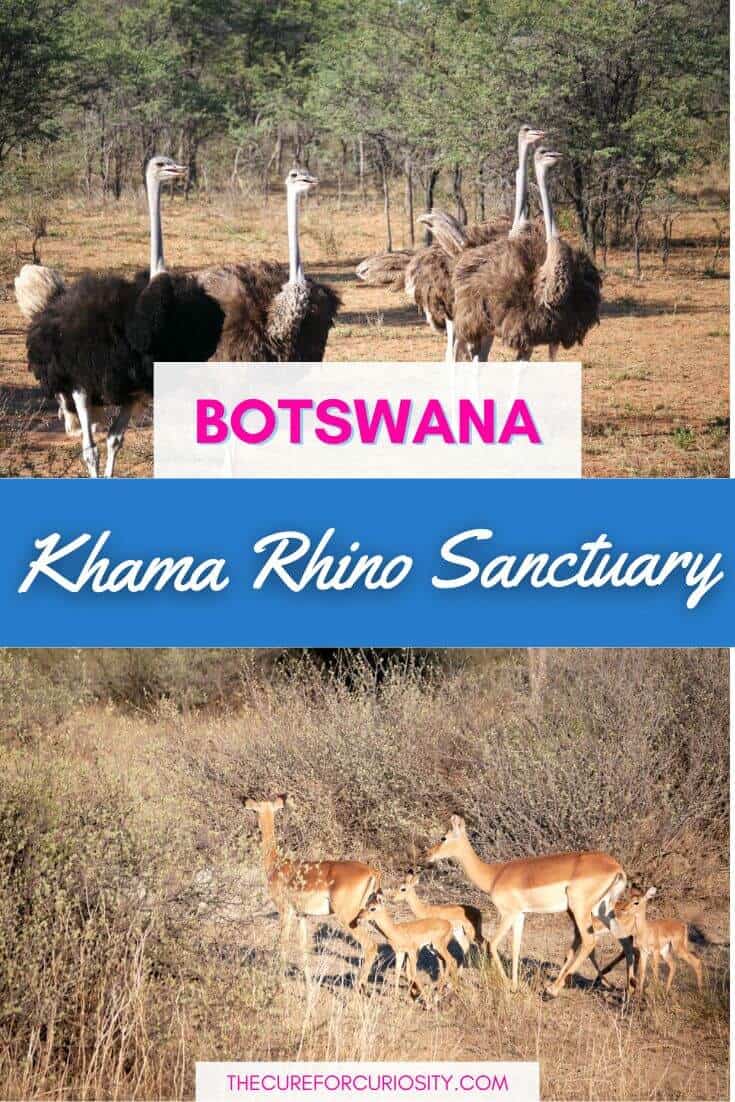
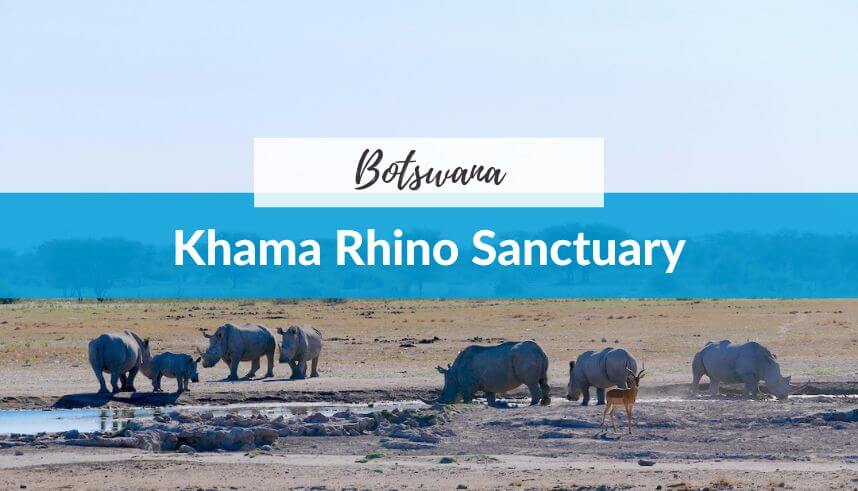
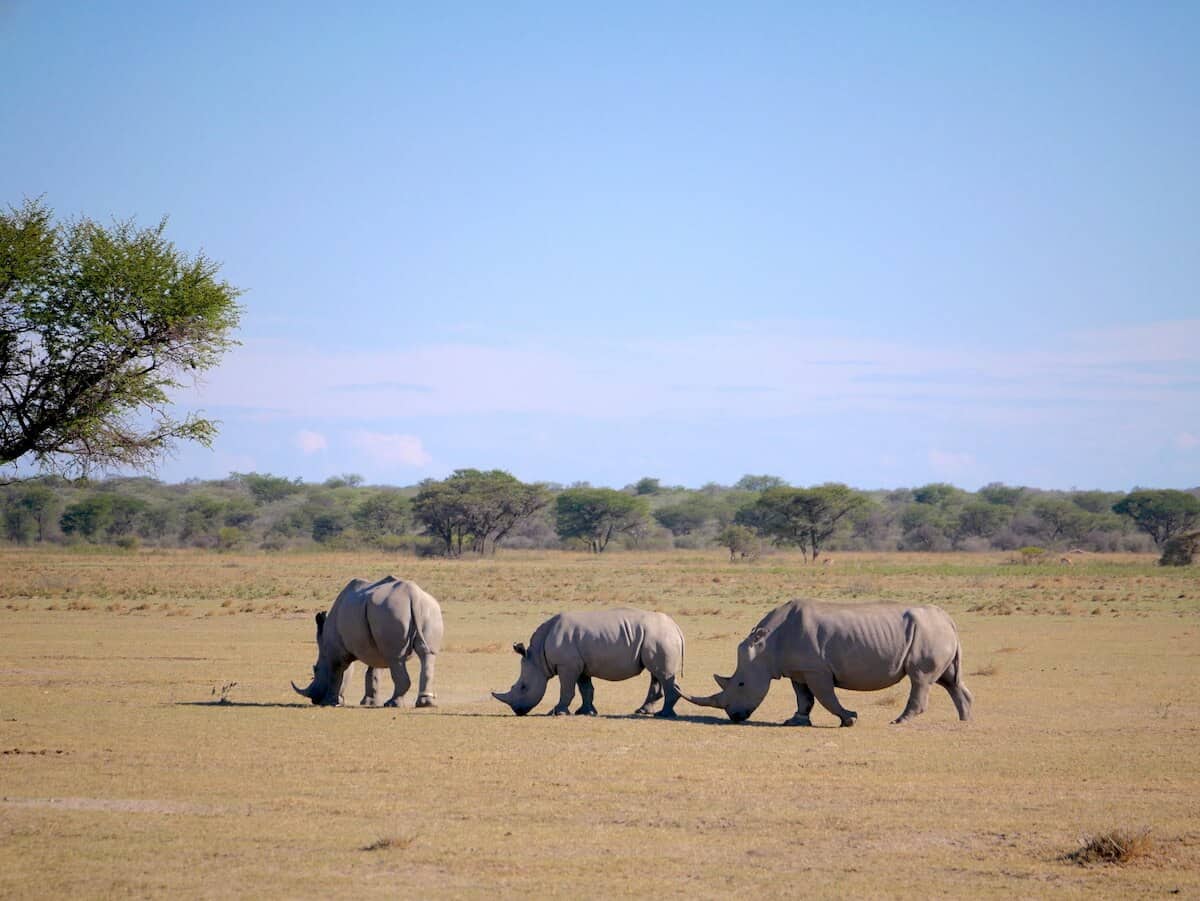
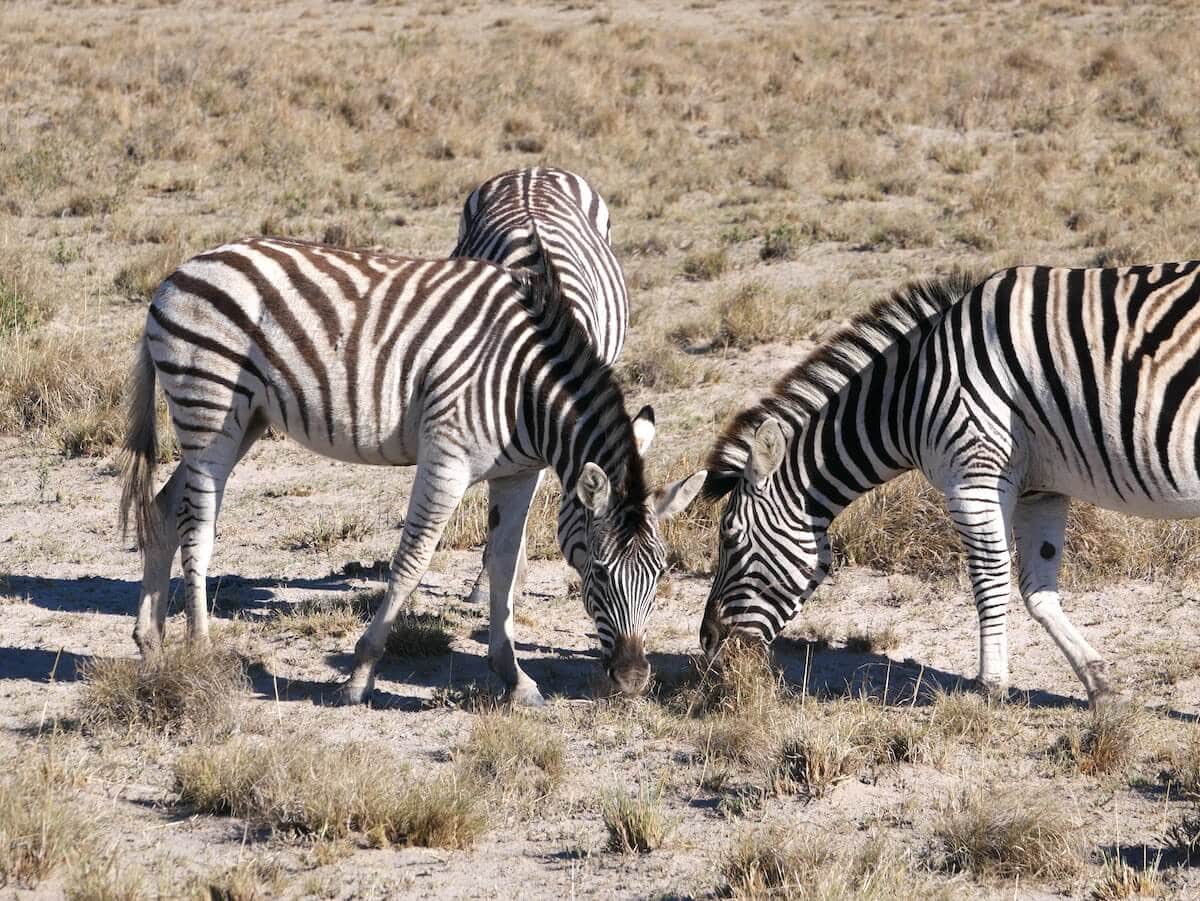
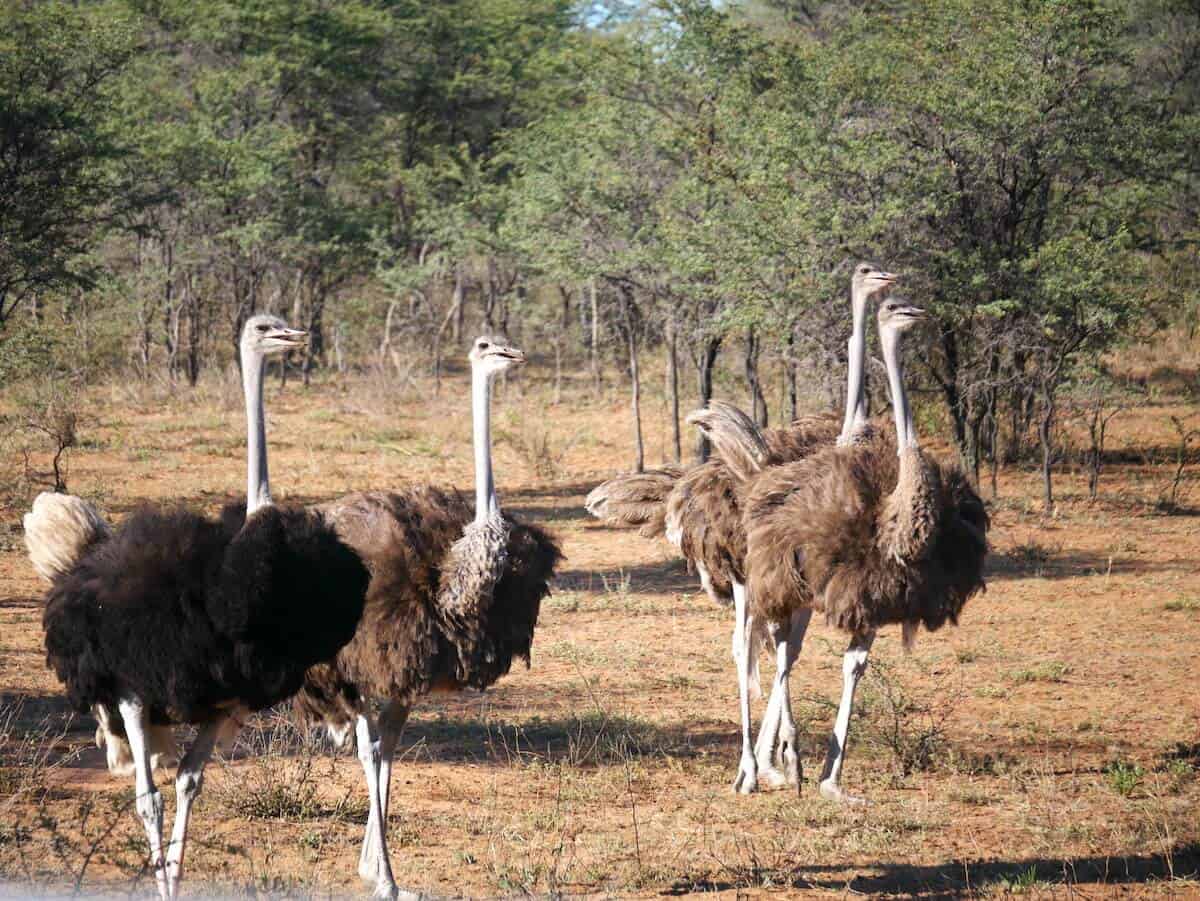
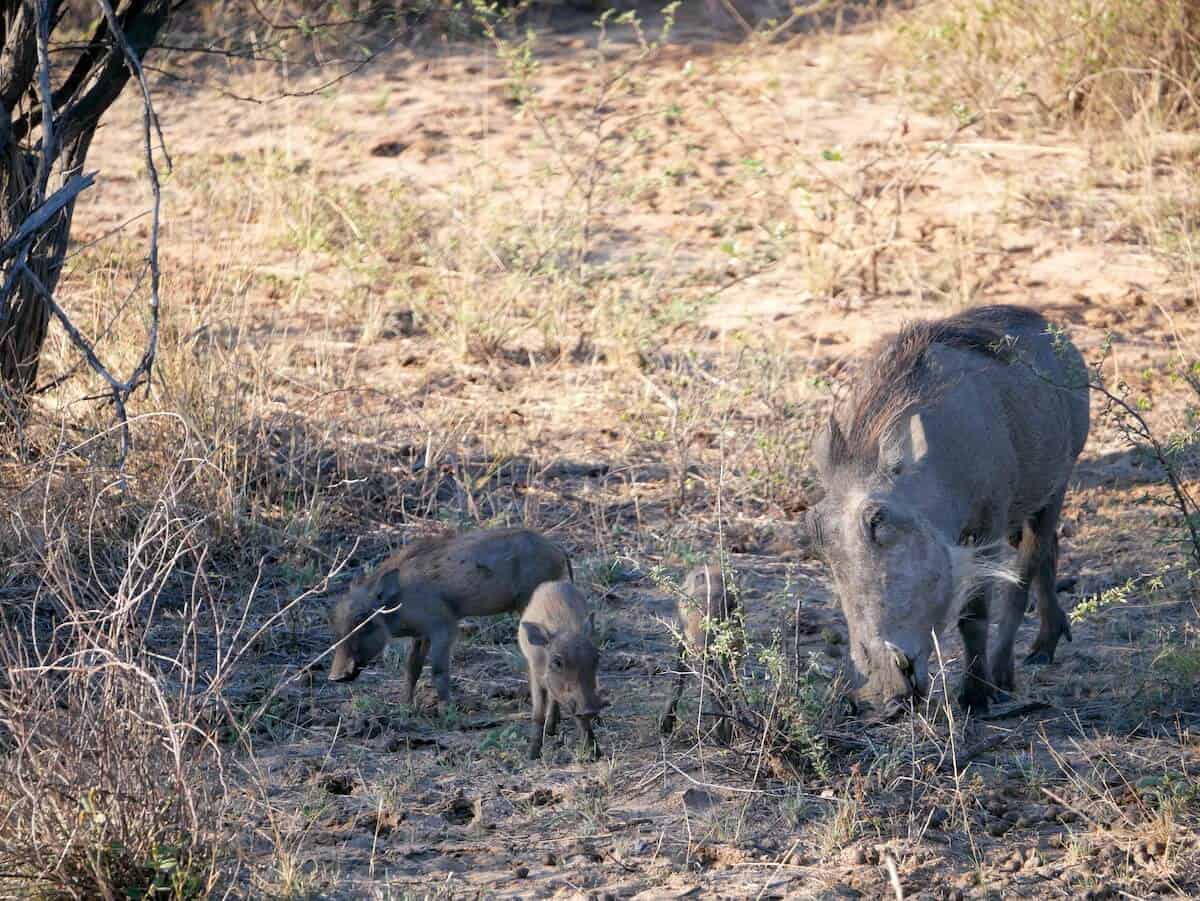
I stopped here on Day 2 of my overland safari trip through Botswana, and it turned out to be one of the most memorable afternoons of the entire journey. We arrived in the late afternoon, did a rhino drive through the sanctuary, and saw rhino, zebra, various antelope, ostriches, and warthogs. The landscape was open and the whole thing felt a bit like a secret due to its off-the-beaten-path location and lack of other tourists.
Here’s everything you need to know about visiting Khama Rhino Sanctuary, whether you’re passing through on a longer Botswana trip or making it a dedicated stop.
Disclosure: Some of the links below may be affiliate links. At no additional cost to you, I may earn a small commission if you make a purchase.
What is the Khama Rhino Sanctuary?
The Khama Rhino Sanctuary (KRS) is a community-based conservation project located about 25 km north of Serowe in central Botswana. It covers approximately 8,585 hectares of Kalahari sandveld, a landscape of open pans, acacia woodland, and grassland that’s perfectly suited to both white and black rhino.
The sanctuary was established in 1992 in response to a sharp decline in Botswana’s rhino population. Once abundant across the region, rhinos had been pushed to the brink of local extinction by the early 1980s through poaching and habitat loss. Led by the Bangwato Paramount Chief and a coalition of local conservationists, the people of Serowe formed the sanctuary to give the remaining rhinos a protected space to recover and breed.
What makes KRS special is its community-run model. The sanctuary is managed and staffed almost entirely by local residents from Serowe, meaning your entrance fees and activity costs go directly back into the community and into anti-poaching efforts. The Botswana Defence Force also patrols the sanctuary perimeter so the rhinos here are genuinely protected.
One detail worth noting: unlike many major reserves in Africa that de-horn their rhinos as a poaching deterrent, rhinos at Khama are left with their horns fully intact. It’s quite remarkable to see the rhinos with their horns. It also shows how seriously the sanctuary takes its security.
What Wildlife Can You See?
Rhino are obviously the headline act, but KRS offers a surprisingly diverse wildlife experience. The sanctuary is home to over 30 animal species and more than 230 bird species. Here’s what you can reasonably expect to see:
- White rhino (the main attraction): the sanctuary has a growing white rhino population
- Black rhino: rarer and more elusive, but present
- Giraffe
- Zebra
- Blue wildebeest
- Eland
- Red hartebeest
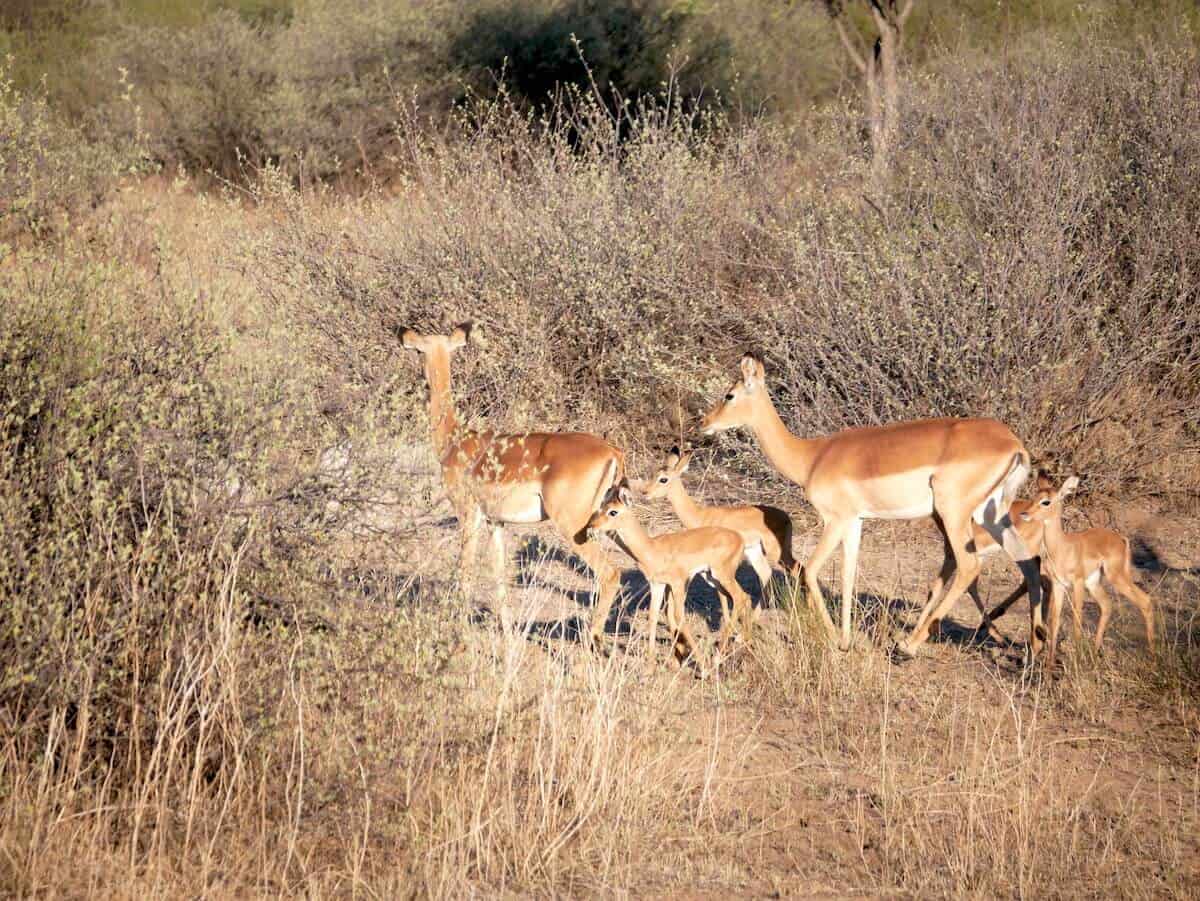
- Impala and other antelopes
- Ostrich
- Warthog
- Brown hyena
- Cheetah (occasional)
- Leopard (occasional)
- Rock python
- An excellent variety of birds, including lappet-faced vultures and helmeted guineafowl
I personally saw rhino, zebra, various antelope, ostriches, and warthogs during my afternoon visit, and that was on a relatively short drive. Longer or early-morning drives tend to yield even more sightings.
The sanctuary is centered around Serwe Pan, a large grass-covered depression with natural waterholes. This is where most of the animals congregate, making it a reliable and photogenic spot for wildlife viewing.
Activities at Khama Rhino Sanctuary
The Khama Rhino Sanctuary may be smaller than many of the national parks in the area, but they still have a lot to see and do.
Game Drives
You have three main options for exploring the sanctuary:
- Self drive: The sanctuary’s roads are well-maintained and signposted, making them suitable for most standard vehicles (a 4WD gives you more flexibility, especially in the wet season). You can drive at your own pace, stop at hides overlooking the pans, and take your time.
- Guided drive: If you have your own vehicle but want the benefit of a guide, you can do a guided drive with one of the rangers guiding you around the sanctuary. This is a two hour adventure.
- Game drives: If you don’t have your own transportation, you can do a game drive. These drives last two hours and give you the advantage of having transportation and a guide with eagle eyes to help spot the wildlife. Night drives in particular are a great option if you want a better shot at seeing nocturnal species.
I personally did a game drive as we arrived in a giant overland vehicle and couldn’t take it through the sanctuary. It was great as their open air vehicles are made for viewing from all seats. Highly recommend.
Rhino Tracking
For the closest encounters, join a guided rhino tracking experience on foot. A trained ranger leads you through the bush to locate rhino based on tracks and behavior. This is the kind of experience that makes Khama genuinely memorable… walking quietly through the Kalahari with a wild rhino in front of you is something you don’t forget.
Bush Walks and Birding
Guided nature walks and birding hides are available throughout the sanctuary. The bird hide overlooking the pan is particularly popular. With over 230 bird species on record, birdwatchers will have plenty to keep them busy.
Education Centre
The sanctuary has a dedicated education centre that welcomes school groups from across Botswana. Even as a visitor, it’s worth a quick stop to understand the conservation work happening here.
Arts and Crafts
There’s a small Curio Shop on-site where you can pick up locally made souvenirs. Given that shopping opportunities can be scarce in the more remote parts of Botswana, it’s a good chance to grab a meaningful souvenir.
Practical Information
Location and Getting There
Khama Rhino Sanctuary is located 25 km north of Serowe on the main paved road between Serowe and Orapa. It sits about 300 km north of Gaborone and is well-placed as a stopover between southern Botswana and the northern safari circuit (Maun and the Okavango Delta).
From Gaborone or Francistown, drive to Palapye, then head west to Serowe. From Serowe, take the north turn toward Orapa. The sanctuary is on the left, about 5 km past the village of Paje. The road is paved and well-maintained.
If you’re doing the overland route from Johannesburg to Maun (as I did with G Adventures), Khama is a natural and logical midway stop.
Entrance Fees
Fees do change, so confirm current rates directly with the sanctuary:
- Adult entrance: 117.20 Pula per person
- Children 6–12: 58.60 Pula
- Children under 5: free
- Vehicle fee: 144.20 Pula per vehicle under 5 tonnes
All entrance fees go directly toward sanctuary operations, anti-poaching patrols, and community development.
If you want to do a game drive (highly recommend) or guided tour, these have their own fees. You can see the going rate on their website to avoid surprises.
Hours
The sanctuary is generally open daily from 7:00am – 7:00pm but you can make special arrangements to arrive outside of those hours.
Best Time to Visit
Dry season (May – October): This is the best time for wildlife viewing. Animals concentrate around waterholes, the vegetation is sparse so visibility is excellent, and the weather is cooler. If you’re combining Khama with the wider Botswana safari circuit, this is the time to do it.
Green season (November – April): If you want bright green scenery with great birdwatching opportunities, this is the time of year for you. Flamingos can sometimes be spotted on the pans after good rains. There are also fewer visitors, which means a more personal experience, but some tracks may be harder to navigate.
Where to Stay at Khama Rhino Sanctuary
Khama offers accommodation directly on-site, which I’d strongly recommend over staying in Serowe town. Waking up inside the sanctuary with the sounds of wildlife around you is a completely different experience.
Chalets
The sanctuary has 7 chalets spread across two camps (Makongwa Camp and a small cluster near the restaurant). All chalets include en-suite bathrooms with hot water showers, bedding and towels, a bar fridge, electric kettle, and braai (barbecue) facilities. Note that cooking utensils are not provided, so bring your own if you plan to self-cater, or eat at the on-site restaurant.
Search for availability: Booking.com – Khama Rhino Sanctuary Chalets
Camping
There are 22 campsites at Makongwa Camp, each centered around a large Mokongwa tree for shade and character. Each site has a fireplace, braai stand with grill, and tap. Communal ablution blocks with hot showers are shared across the sites. No electrical hookups at campsites.
Pro Tip: We went camping through Botswana, and make sure to bring your own pillow and sleeping bag or sleeping bag liner in summer. Also, consider a quality bug net or keeping your tent zipped tight given the mosquito situation in Botswana.
The A-Frame Chalet
There’s also a distinctive two-storey A-frame chalet at Boma Camp, right on the edge of Serwe Pan. If you want the most atmospheric setting in the sanctuary, this is it. It is designed to give an African way bush life, complete with bush toilet and a hot shower. You’ll also find no electricity here, but they do provide lanterns for light.
Dorms
Lastly, they have a couple of dorm buildings on site, each holding 4 rooms that sleep 6 each.

My Honest Take: Is It Worth Stopping?
Yes, if you are in the area, especially if you’re doing the overland route between Johannesburg and Maun as it’s a great in-between stop. If you’re not headed near Khama Rhino Sanctuary, it’s okay to skip it. It’s the best place to see rhinos (particularly with their horns intact), but you’ll get the chance to see them in other national parks in the area.
Why I loved it and recommend stopping? Khama doesn’t get the press that the Okavango Delta and Chobe do. That alone is exactly why it’s worth going. You may even have the place to yourself.
What struck me most was the combination of wildlife (we saw rhino within the first hour) and the knowledge that this is a place that started from nothing other than a community decision to save a species from extinction. And, it actually worked. That context makes every sighting feel more meaningful as you are contributing to their conservation efforts.
If you only have a few hours, a guided afternoon game drive is the most time-efficient way to experience it. If you have more time (and I wish I had), an overnight stay with a sunrise drive and a rhino tracking walk on foot would be the way to go.
How to Combine Khama with the Rest of Botswana
Khama Rhino Sanctuary works best as part of a longer Botswana itinerary. Here’s how I’d recommend building it in:
- Southern route (overland from Johannesburg): Cross into Botswana at the Martins Drift or Tlokweng border, drive to Palapye, then to Serowe. Overnight at Khama, then continue northwest to Maun (roughly 5–6 hours). This is exactly the route we took, and it’s very doable and breaks up the drive.
- As a standalone day trip from Gaborone: At roughly 300 km from the capital, it’s a long day trip but manageable. A much better option is an overnight stay.
- Combined with the northern circuit: If you’re flying Johannesburg → Maun → Kasane, Khama won’t be on your route, but for overland travelers it’s a rewarding detour.
Planning a longer Botswana trip? Check out my 2 Weeks in Southern Africa itinerary for the full route, and my G Adventures Botswana & Falls Adventure review for an honest look at how I got here.
Book Your Botswana Safari
Ready to plan your own trip? Here are a few resources to get you started.
- Search flights to Maun or Gaborone via Expedia: Maun is the best gateway city for the northern Botswana safari circuit.
- Browse Botswana safari tours on Viator: Including full multi-day itineraries that include the Okavango Delta, Chobe, and beyond.
- Find Botswana safari experiences on GetYourGuide: Great for day tours and shorter excursions.
- Search accommodation in Serowe or Maun on Booking.com: Useful for planning your overnight stops on the overland route.
Explore More of Botswana
Botswana has a reputation for being one of Africa’s more expensive and exclusive safari destinations. Khama Rhino Sanctuary is a reminder that some of the most meaningful wildlife experiences on the continent are community-built, community-run, and easily accessible.
If you’re making the overland journey through Botswana, don’t drive past it. Stop. Spend the afternoon, or better yet spend the night. You’ll see rhino with their horns intact, and you’ll leave knowing that your entrance fee went somewhere that matters.
Have questions about visiting Khama or planning your Botswana trip? Drop them in the comments below. And if you’re building out your itinerary, head over to my complete Southern Africa travel guide for the full picture.
Here are some additional helpful posts.
- The Okavango Delta: What to Expect (+ Is It Worth It?)
- Where is Botswana? Location, Map, Facts, & More
- Khama Rhino Sanctuary: Botswana’s Most Underrated Safari Stop
- 2 Weeks in Southern Africa: A Budget African Safari Itinerary
- Review of G Adventures Botswana and Falls Adventure Trip
Like this post? Pin it.