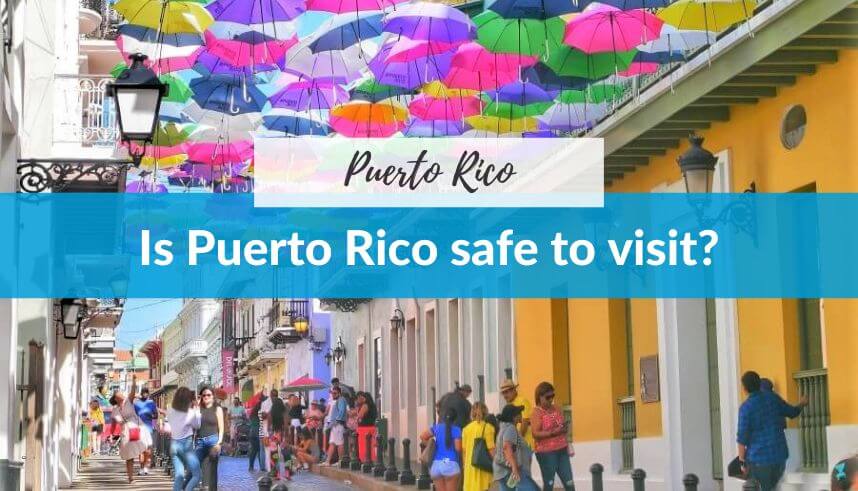
Puerto Rico Safety Guide: Is Puerto Rico Safe?
Learn all about how safe Puerto Rico is, along with your biggest threats and safety tips to have a great trip to the island.
Puerto Rico is one of my favorite Caribbean islands offering a wealth of culture, history, and natural beauty all within an arms reach! As a U.S. territory, it also means U.S. citizens can head to Puerto Rico passport and visa free.
This all impacts its millions of visitors each year who are eager to explore its Spanish-influenced cities, pristine beaches, and tropical rainforests. However, prospective travelers often have concerns about safety in Puerto Rico.
This guide to how to stay safe in Puerto Rico will address these concerns, covering aspects like local crime, health issues, and natural disasters. You’ll be ready to plan a safe and enjoyable trip to Puerto Rico at the end!
Disclosure: Some of the links below may be affiliate links. At no additional cost to you, I may earn a small commission if you make a purchase.
Is Puerto Rico safe?
Puerto Rico is generally a safe destination for travelers, with crime rates comparable or lower than many major U.S. cities. While the island does experience petty crimes such as pickpocketing, particularly in crowded tourist areas, violent crime rarely affects visitors.
Most popular tourist spots, like Old San Juan, Condado, and Isla Verde, have a strong police presence that helps minimize security concerns. Other safety concerns include natural disasters, like hurricanes and the occasional earthquakes, especially during hurricane season from June to November.
By taking standard travel precautions, staying informed about weather conditions, and avoiding high-crime areas, you can enjoy a safe trip to Puerto Rico.
General Puerto Rico Safety Overview
While the island is generally safe, like any travel destination, it is important to exercise caution and be aware of your surroundings.
Crime Rate and Tourist Safety
The island experiences crime, as do many urban areas, but incidents involving tourists are relatively rare. Most violent crimes are localized in specific areas not typically frequented by tourists. Petty crimes such as pickpocketing can occur, particularly in crowded areas, so be alert and keep your belongings close.
Popular tourist areas like Old San Juan, Condado, and Isla Verde typically have a visible police presence. This helps discourage crime contributing to a safer environment.
Practical Safety Tips to Navigate Petty Crime and Scams
- To minimize risk, stay in well-known tourist areas and avoid neighborhoods with higher crime rates, like La Perla. Use licensed taxis or reputable ride-sharing services, like Uber – particularly at night.
- Avoid displaying wealth by keeping valuables discreet and being cautious with personal belongings, especially in crowded places.
Natural Disasters and Weather Concerns
Located in the Caribbean, Puerto Rico is susceptible to hurricanes, especially from June to November. Hurricane Maria in 2017 hit Puerto Rico hard, but the island has since made considerable infrastructure improvements.
Earthquakes, though less common, can occur. It’s advisable to familiarize yourself with earthquake safety measures.
Practical Safety Tips to Prepare for Natural Disasters
- Check weather forecasts regularly before and during your stay, especially during hurricane season. Consider purchasing travel insurance that includes coverage for natural disasters.
- Familiarize yourself with emergency procedures and have a plan in place for evacuation or shelter in case of a natural disaster.
Health and Medical Facilities
Health concerns in Puerto Rico include mosquito-borne illnesses like dengue fever and Zika virus. To keep yourself healthy while visiting Puerto Rico, use insect repellent and take preventive measures like covering up, especially if pregnant or planning pregnancy.
Fortunately, Puerto Rico has a relatively strong healthcare system with many hospitals and clinics and a high standard for medical care. It’s wise to have travel insurance that covers healthcare.
Practical Safety Tips and Health Precautions for Puerto Rico
- Use insect repellent to protect against mosquito-borne diseases. Consider vaccinations and health precautions as recommended by your healthcare professionals.
- Ensure you have adequate travel insurance, including coverage for medical emergencies and unexpected travel disruptions.
12 Quick Safety Tips for Puerto Rico
While I’ve been to Puerto Rico more than a handful of times and never encountered a problem, it never hurts to know what you’re up against. Here are the most common things to be aware of to stay safe in Puerto Rico.
1. Riptides and Beach Safety
Puerto Rico’s beautiful beaches can present hidden dangers, particularly due to strong riptides. These powerful currents can quickly pull swimmers away from the shore, making it critical to know how to respond.
If caught in a riptide, the best way to get out of it is to swim parallel to the shore rather than directly against the current, which can lead to exhaustion. Always pay attention to beach flags and warning signs, as red flags often indicate hazardous conditions and you should not get in the water.
If you’re unsure about the water conditions, consult a lifeguard or local before entering the ocean.
2. Weather Watch
The tropical climate in Puerto Rico means that rain is a frequent occurrence – especially in El Yunque, the rainforest. However, the forecast can sometimes predict clear skies when a rain shower is right around the corner. To be prepared, keep an eye on local weather reports and be ready for sudden changes.
Packing a lightweight poncho or rain jacket is a smart move, and waterproof bags for your electronics and valuables can help protect them from unexpected showers. If you’re going to El Yunque, just assume you will get wet. Pack appropriately.
3. Heat Advisories
Puerto Rico’s tropical climate results in high temperatures and humidity, especially during the summer months. To avoid heat-related issues, stay hydrated by drinking plenty of water, and avoid excessive alcohol and caffeine, which can contribute to dehydration.
Regularly apply sunscreen with a high SPF (I love my 70 SPF!) to protect yourself from sunburn. Trust me – no one wants to be burnt on vacation! Be mindful of the heat and take breaks in the shade or air-conditioned spaces as needed.
4. Natural Disasters
Hurricane season runs from June to November. Check weather forecasts before boarding your flight to Puerto Rico and consider travel insurance that covers natural disasters. Since Puerto Rico is an island once you’re on the island, if a storm is approaching quickly, you may be stuck there. Fortunately, its infrastructure has significantly improved since Hurricane Maria hit in 2017 leaving a path of destruction.
While less common than hurricanes, earthquakes in Puerto Rico can occur. Familiarize yourself with seismic activity and follow local safety recommendations. Building codes have been updated to be more resilient during earthquakes.
5. Drinking Water
Generally drinking the tap water in Puerto Rico is okay, as it meets the same safety standards as in the mainland United States. This means that the water is typically safe and clean.
However, if you have a sensitive stomach or are concerned about water quality, opting for bottled or filtered water is a good precaution. It’s always better to err on the side of caution when it comes to your health. Food poisoning and bad water are not things you ever want to deal with… particularly on vacation!
6. Alcohol Regulations
In Puerto Rico, the legal drinking age is 18, but public drinking laws are strictly enforced. It is illegal to consume alcohol in public spaces outside designated zones. This includes on the beach.
If you are found with an open alcoholic beverage in public, you may face fines. To avoid issues, keep your alcohol consumption to private property or licensed establishments.
7. Mosquitoes and Health Concerns
Mosquitoes in Puerto Rico are more than just an annoyance. They can carry diseases such as Zika virus, dengue fever, and chikungunya. To protect yourself, use insect repellent containing DEET or picaridin, especially during early morning and late afternoon when mosquitoes are most active.
Wearing long-sleeved shirts and pants while hiking or exploring El Yunque can also reduce your risk of bites and exposure to these diseases.
8. Marine Life Precautions
When snorkeling or swimming around Puerto Rico, be aware of marine life such as jellyfish and sea urchins. Avoid touching coral reefs and marine creatures to prevent injuries. Fire coral does exist and really burns your skin if you touch it.
If you’re stung by a jellyfish or pricked by a sea urchin, rinse the area with seawater. Jellyfish stings can also be treated with vinegar to ease the pain. Trust me, I’ve been stung badly a couple of times! If you experience severe symptoms like nausea, dizziness, or difficulty breathing, seek medical attention.
9. Snakes
Puerto Rico is home to a few snake species, but encounters with them are rare and generally not dangerous. The majority of the island’s snakes are non-venomous, with only one venomous species, the Puerto Rican Racer.
It is found in specific areas like Toro Negro State Forest and occasionally in El Yunque National Forest. This snake’s venom is not lethal, so while it’s wise to be cautious, you generally have little to worry about.
10. Public Transportation
Navigating Puerto Rico’s public transportation system can be straightforward in cities like San Juan, where you can use taxis, Ubers, or the Tren Urbano metro. However, outside San Juan, public transportation options are limited.
Renting a car is usually the most practical way to explore the island. If you do use taxis, be sure to confirm rates before the ride to avoid surprises. I personally find Ubers to be a faster and easier way to get from place to place when in the San Juan area.
11. Driving Tips
Driving in Puerto Rico can be an adventure due to narrow roads and local driving habits. Drivers may use turn signals less frequently than what you might be used to, and road signs are primarily in Spanish.
Be prepared for narrow and winding roads, especially in rural areas, and note that your GPS might not always be reliable. Familiarize yourself with a few Spanish phrases for asking directions and consider using offline maps or a paper map as a backup.
12. Learn Basic Spanish
While many people in Puerto Rico speak English, especially in tourist areas, Spanish is the island’s primary language. Learning some basic Spanish phrases can make your trip that much smoother.
Simple phrases like “¿Dónde está el baño?” (Where is the bathroom?) or “¿Cuánto cuesta?” (How much does it cost?) can be very helpful and appreciated by locals.
*Most Important* Emergency Services
Puerto Rico’s emergency services function similarly to those on the mainland United States. In case of an emergency in Puerto Rico, dial 911 for police, fire, or medical assistance. This service is available throughout the island, and operators are typically bilingual, making it accessible for English-speaking travelers.
Safety for Different Types of Travelers
I’ve traveled to Puerto Rico a number of times, with female friends, with my significant other, with LGBTQ friends, etc. and I have always felt very safe. That being said, there are different precautions for each group to take to ensure a safe trip to Puerto Rico.
Solo Travelers: Is Puerto Rico safe for solo travelers?
Puerto Rico is an excellent destination for solo travelers with a mix of city life, natural beauty, and friendly locals. To ensure a safe trip, stay in well-lit areas and be cautious when exploring new places, especially at night.
Most importantly, avoid excessive alcohol consumption as it can make you more vulnerable. Always keep in touch with someone about your whereabouts or share your location with someone from home. You may also want to share your itinerary with a friend or family member and check in regularly.
Another underrated way to stay safe is staying in reputable accommodations. I’m talking well reviewed hostels and hotels. Airbnbs are often safe, but every now and then you hear the horror stories, so if you’re traveling alone, you may want to opt for a more traditional place to stay in Puerto Rico.
Female Travelers: Is Puerto Rico safe for female travelers?
Women traveling alone or in pairs generally find Puerto Rico to be safe and fun. In fact, my first trip to Puerto Rico was actually with two female friends during college spring break. While occasional catcalling may occur, its easy to stay in populated and well-lit areas. And of course, maintain awareness of your surroundings at all times.
If you’re traveling alone, I also advise dressing modestly to avoid drawing unnecessary attention. That being said, Puerto Rico is not a conservative island. Beaches are common and nightlife outfits are often tight and short.
Always trust your instincts and don’t hesitate to remove yourself from uncomfortable situations. When in doubt, be loud and cause a scene to bring others attention to your problem. Also, use only reliable transportation options and inform someone about your plans.
LGBTQIA+ Travelers: Is Puerto Rico safe for LGBTQ travelers?
Puerto Rico stands out as one of the more LGBTQ-friendly destinations in the Caribbean, with inclusive laws and an active LGBTQ+ community, particularly in urban areas like San Juan. The island even has a dynamic nightlife and numerous events celebrating LGBTQ+ culture. Just be aware though that some rural areas are a bit more conservative, so exercise discretion.
Disabled Travelers: Is Puerto Rico safe for disabled travelers?
Puerto Rico offers a range of accessibility options, especially in San Juan. Accessible hotels, transportation, and activities are available. This makes it easier for travelers with physical disabilities to navigate the island. However, rural areas and off-the-beaten-path locations may present more significant challenges, including limited accessibility features.
Planning ahead and checking specific accessibility details for hotels and attractions will help mitigate potential issues upon arrival. For those with sensory or neurodivergent needs, be aware that the island’s culture is quite lively, which includes loud music and large crowds.
If you need certain accommodations made, consider reaching out to local organizations for assistance and advice on accessible activities.
Families: Is Puerto Rico safe for families?
Puerto Rico is a fantastic destination for families as it offers a wide range of activities suitable for children and adults alike. The island has beautiful beaches, educational museums, and cultural sites that cater to all ages.
Family-friendly tours and hotels are readily available. You’ll be able to find options that suit your needs quite easily. While exploring, just keep an eye on your children and always adhere to safety guidelines, especially in avoiding strong currents at the beach.
Explore More of Puerto Rico
Puerto Rico is one of my favorite Caribbean destinations. It’s both welcoming and relatively safe. By taking common-sense precautions, you can enjoy all this beautiful island has to offer with few to no concerns.
Visit historic sites in San Juan. Lounge on Isla Verde’s beaches. Hike in El Yunque. With just the most basic of safety precautions, you can stay safe in Puerto Rico and have the trip of a lifetime!
For more information about traveling to Puerto Rico, check out these helpful guides:
- The Location of Puerto Rico & How It Impacts Your Trip
- 16 Helpful Things to Know Before Traveling to Puerto Rico
- Where to Stay in San Juan, Puerto Rico: Best Hotels & Areas
- 10 Top Things to Do in San Juan for the Trip of a Lifetime
- 8 Best Bars in Old San Juan: Where to Find Nightlife & Drinks
- How to Get to Culebra, Puerto Rico: 4 Key Transportation Options
- 10 Best Things to Do in Culebra, Puerto Rico
- Flamenco Beach, Puerto Rico: Everything to Know Before You Go
- Best Time to Visit Culebra, Puerto Rico: Season by Season Breakdown
- How to Visit Mosquito Bay: The Vieques Bioluminescent Bay
Like this post? Pin it.